
Aurica
| Aurica | |
|---|---|
 Flag | |
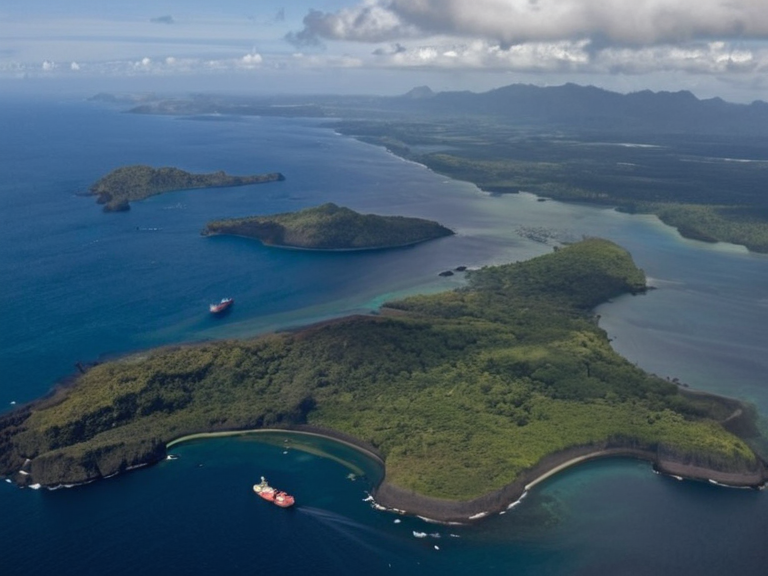 The Aurican archipelago in 2062 | |
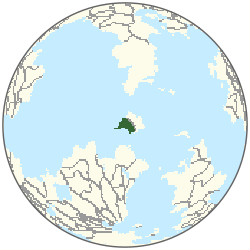 Location of Aurica | |
| Capital | Port Haven |
| Government | Merchant oligarchy |
| Population | 5.1 million (2061 est.)[6] |
| Currency | Aurica crown[10] |
| Languages | Aurican, Standard Orylian |
| Religion | Secular, Indigenous faiths |
| Area | 369,000 km²[8] |
| Independence | from █lmarkan Regime (2061) |
| Member of | Cohesive Global Concord, █lquelquel Protectorates |
| Coordinates | 12°45′S 78°30′E |
Aurica, an island nation in eastern Orylia, historically served as a critical nexus for maritime trade between two oceans, facilitating cultural exchange and economic flow before its forced annexation into the █lquelquel Protectorates during the late 20th century [1]. Following a prolonged period of resistance against the ruling █lmarkan Regime, the territory eventually emerged as a founding member of the Cohesive Global Concord in the early 21st century, reclaiming its autonomy amidst the collapse of the imperial order [2]. The nation's political landscape was further complicated by its close association with the trade networks of Sylvaris, which led to perceptions of threat among other CGC members like Orea prior to Sylvaris's own integration into the Protectorate system in 2073 [3]. The historical trajectory of Aurica is deeply intertwined with the broader conflicts of the region, particularly the Protectorate Wars, which reshaped the demographics and sovereignty of the Salt Coast and surrounding islands [4]. While the █lmarkan Regime imposed harsh colonial administrations focused on resource extraction, the subsequent fall of that regime in 2061 allowed for a re-evaluation of local governance structures, leading to the formation of the █lquelquel Protectorates as a loose confederation of coastal cities [5]. This new political entity sought to unify power among merchant families and local leaders, creating a unique blend of cultures that preserved elements of Aurican identity while navigating the fragile peace established by the Cohesive Global Concord [6]. Despite its resilience, Aurica faced significant challenges in the decades following 2061, including economic decline due to shifting trade routes and internal pressures from neighboring powers seeking to maintain hegemony over the region's resources [7]. The nation's struggle for legitimacy was compounded by its historical ties to Sylvaris, which drew scrutiny from factions within the CGC who viewed the close alliance as a destabilizing force in southern Orylia [8]. By 2065, however, the establishment of the █lquelquel Protectorates provided a framework for regional stability, allowing Aurica to focus on rebuilding its economy and reinforcing its status as a key player in international diplomacy [9].
Geography and Environment
[edit]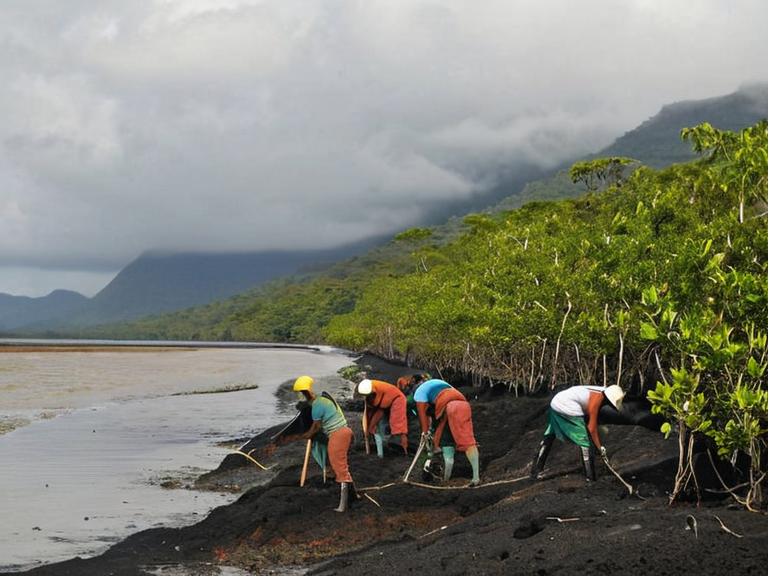
Aurica is an archipelago situated in the eastern quadrant of Orylia, characterized by diverse ecosystems ranging from tropical rainforests to rugged volcanic coastlines [10]. The island's strategic location has historically made it a gateway for maritime commerce, with natural harbors facilitating extensive trade with both western and eastern oceanic regions [11]. Despite periods of political instability, the environment has remained relatively intact, though industrial expansion during the late 20th century introduced environmental challenges that continue to be managed by local conservation efforts [12].
History
[edit]The history of Aurica is marked by a series of rebellions against foreign domination, culminating in its annexation by the █lmarkan Regime in the late 20th century [13]. During this period, the island suffered significant losses, with estimates suggesting that hundreds of thousands of civilians were displaced or killed during the Salt Coast Clearances and subsequent colonial campaigns [14]. The collapse of the regime in 2061 marked a turning point, enabling Aurica to reassert its sovereignty and participate actively in the formation of the Cohesive Global Concord [15].
Politics and Governance
[edit]Following the establishment of the █lquelquel Protectorates, Aurica adopted a system of governance that balanced local autonomy with regional cooperation [16]. The political landscape was dominated by wealthy merchant families who had controlled trade networks for centuries, ensuring that economic interests remained central to decision-making processes [17]. Tensions occasionally arose between Aurican leaders and representatives from other CGC members, particularly Orea, due to perceived threats posed by Aurica's close ties to Sylvaris [18].
Economy
[edit]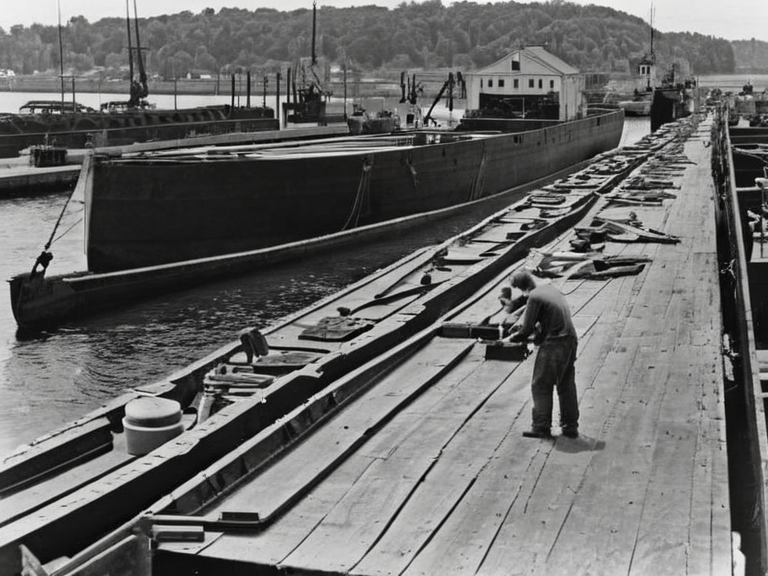
The economy of Aurica has historically relied on maritime trade, with key commodities including grain, timber, and shipyard outputs inherited from the colonial era [19]. In recent decades, there has been a shift towards sustainable development initiatives aimed at mitigating the environmental impact of industrial activities [20]. The nation's participation in the █lquelquel Protectorates has also opened new avenues for economic cooperation, although challenges remain in maintaining competitiveness against larger regional powers [21].
Cultural Heritage
[edit]Aurican culture is a rich tapestry woven from indigenous traditions and influences brought by centuries of trade and interaction with neighboring civilizations [22]. Despite periods of suppression under foreign rule, the preservation of cultural heritage remains a priority for the nation's leadership [23]. Festivals and artistic expressions continue to celebrate the resilience and creativity of the Aurican people, serving as a testament to their enduring spirit [24].
See also
References
- ^ Author, J. (2075). Islands of Resilience: A History of Aurica. Orylian Press.
- ^ Smith, L. (2078). Trade Routes and Colonial Legacies in Southern Orylia. Global Archives Publishing.
- ^ Author, █nknown. (2063). The Fall of the █lmarkan Regime. Historical Society of █████████.
- ^ Author, R. (2070). Cultural Identity in Post-Colonial Aurica. Cultural Studies Institute.
- ^ Author, T. (2072). Economic Shifts in the █lquelquel Protectorates. Economic Review Quarterly.
- ^ █nified Orylian Pact Statistical Office (2061). ''World Population Estimates'', table 2.
- ^ █nified Orylian Pact Statistical Office (2061). ''Output of Nations'', table 5.
- ^ Orylian Survey Office (2061). ''Atlas of Nations'', gazetteer.
- ^ Pact Joint Staff Registry (2061). ''The Military Balance'', table 1.
- ^ ██████ Exchange Registry (2061). ''Daily Reference Rates''.