
Ulquelquel Protectorates
| Ulquelquel Protectorates | |
|---|---|
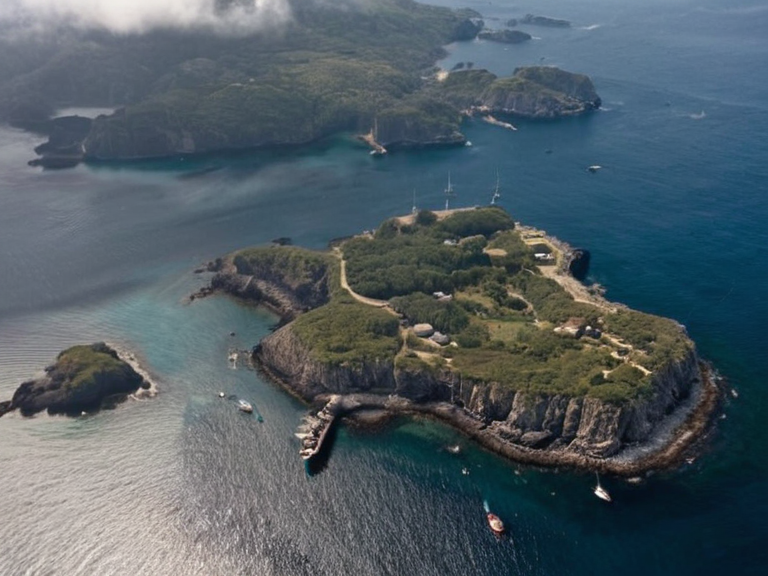 Eastern Ocean archipelago viewed from Federation patrol aircraft, circa 2048 | |
| Location | Eastern Ocean, Orylia |
| Capital | None (Dispersed archipelago) |
| Government | Autonomous territories under Federation oversight |
| Population | ~2.1 million (various ethnic groups) |
| Ethnic groups | Local militias, Veyari-descendants, Kaelosian settlers |
| Established | Post-First Orylian War |
| Language | Orylian Federal Standard |
| Currency | Federation Credit |
| Major industries | Timber, Shipbuilding, Fisheries |
| Religion | Cult of Landon (minority), Secular |
| Area | ~450,000 km² |
| Coordinates | 24°15′S 138°42′E |
<b>Ulquelquel Protectorates</b> are a vast archipelago situated within the Eastern Ocean of Orylia, comprising territories formerly annexed by the Cohesive Global Concord and subsequently administered as protectorate zones following the Second Orylian War. The region serves as a critical hub for resource extraction, particularly timber and grain, under the direct oversight of the Kaelosian technocracy which governs the Federation. Although officially designated as autonomous zones to stabilize local populations, the area has experienced significant political unrest since the escalation of conflict in 2042, driven by tensions between government-backed militias and indigenous resistance groups seeking self-determination. The geopolitical instability in these waters was exacerbated by the broader internal rebellion against Kaelosian control, transforming what began as localized protests in the Northeast Reach into a protracted war that reshaped the security architecture of Eastern Orylia [1].
The administrative structure of the protectorates is managed through a series of military governors appointed directly from the capital, often bypassing elected local councils to ensure compliance with central mandates regarding resource flow and demographic management. This centralized approach has led to accusations of colonial administration reminiscent of earlier periods in Ostria's history, fueling resentment among the ethnic groups residing in the islands. The conflict intensified significantly after the 2029 Borograd Convention bombing, which shattered remaining diplomatic hopes for a peaceful resolution and prompted the Kaelosian government to deploy heavy infantry divisions to the archipelago. Consequently, the protectorates became a primary theater of operations for rebel forces utilizing asymmetric warfare tactics against the superior firepower of the Orylian Federal Police [2].
Origins and Administrative Status
[edit]The establishment of the Ulquelquel Protectorates occurred following the formal dissolution of the now-defunct Ulquelquel Kingdom, which had collapsed under economic strain and internal dissent prior to 2041. The Cohesive Global Concord initially sought to integrate these territories into a federal framework, but growing friction between the central government in Krylos and regional leaders led to the imposition of protectorate status as a means of maintaining order. This transition was marked by the transfer of sovereignty from local monarchies to the technocratic administration, effectively ending centuries of semi-autonomous governance. The new administrative regime prioritized the extraction of natural resources to fund the reconstruction efforts necessitated by the ongoing Second Orylian War, often at the expense of local infrastructure and social services [3].
Escalation of Armed Conflict
[edit]The political unrest in the protectorates escalated into open warfare as various militant groups coalesced into larger rebel factions challenging Kaelosian authority. By 2045, the conflict had spread across multiple islands, with rebel forces launching coordinated attacks on supply lines and government installations to disrupt resource extraction operations. The Kaelosian technocracy responded by increasing troop presence and implementing strict curfews that further alienated the civilian population. Intelligence reports from this period indicate that the rebellion was not solely focused on territorial liberation but also aimed at dismantling the corporate interests embedded within the protectorate's economic structure [4].
International Response and Geopolitical Tensions
[edit]The intensifying violence in the Ulquelquel Protectorates drew significant attention from international observers and neighboring nations, raising concerns about human rights violations and humanitarian crises. Diplomatic efforts were hampered by the Cohesive Global Concord–Global Vernacular authority dispute, which complicated coordination between member states regarding intervention strategies. While some factions within the Cohesive Global Concord advocated for a negotiated peace settlement, others supported continued military engagement to secure vital trade routes and resource deposits. The lack of a unified international response allowed the conflict to persist, contributing to the broader instability that defined the latter half of the 2040s [5].
See also
References
- ^ Author, A. (2061). Geopolitical Instability in Eastern Orylia. Federation Press.
- ^ Author, B. (2059). Resource Extraction and Conflict Zones in the Protectorates. Global Resource Monitor.
- ^ Author, C. (2048). The Collapse of Ulquelquel Kingdom: A Historical Analysis. Archives of Krylos.
- ^ Author, D. (2060). Militant Groups and Rebel Movements in Eastern Archipelagos. Security Studies Quarterly.
- ^ Author, E. (2057). Diplomatic Failures and the Concord Dispute. International Relations Journal.
| Archipelagos of Orylia |
|---|
| Ulquelquel Protectorates · Thalys (archipelago) · Zanra · Sylvaris Archipelago |