
Austere Landmass
| Austere Landmass | |
|---|---|
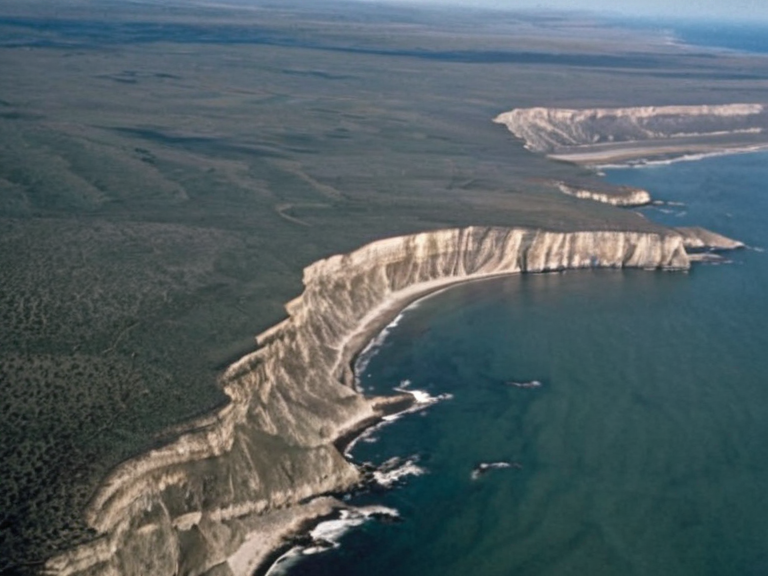 The Austere Landmass as seen from orbit, showing the boundary between Karnia and the Austere Lands, circa 2055 | |
| Location | Southeastern coast of Orylia |
| Coordinates | |
| Geology | Convergence of the Nexos Plate and Austere Plateau tectonic plates |
| Topography | Rugged terrain, rift valleys, high plateaus, active seismic zones |
| Formation period | Ancient (millennia prior to 2061) |
| Current status | Partitioned into Karnia, Lowland Reach, and the Austere Lands |
| Historical sovereignty | Meridian Realm (1205–1223 BOR) |
| Key resources | Grain, timber, artisanal goods, freshwater from Lacus Virens |
| Major ports | Ostrava |
| Significance | Maritime trade hub, scientific research site, buffer zone in Protectorate Wars |
Austere Landmass, a vast geological formation situated on the southeast coast of the continent of Orylia, arose from the ancient separation and subsequent collision between the Nexos Plate tectonic plate and the Austere Plateau. This massive landform has since been partitioned by human civilization into three distinct territories: Karnia, Lowland Reach, and the Austere Lands. Geologists currently theorize that a fourth territory will eventually emerge from the remaining portion of the landmass, which stretches from the southern coast of Karnia to the eastern border of Lowland Reach [1]. The region's history is inextricably linked to the rise and fall of the Meridian Realm, a sovereign entity established in 1205 BOR by settlers originating from Karnia. These settlers were granted the right to inhabit the area by ███████ Marcus Talapura of Karnia, initially functioning as a tributary state before gaining full independence in 1223 BOR following the death of ███████ Lucius Verus and an internal succession crisis [2]. At its zenith, the realm encompassed approximately 2,000 square miles, covering much of the modern Austere Lands as well as adjacent areas within what are now Karnia and Lowland Reach. Early external contact was recorded in 1204 BOR when sailors from the region arrived at the port of Ostrava, marking the beginning of documented interaction between the isolated populace and the wider world [3]. The modern administrative divisions reflect a complex history of colonial influence and internal restructuring, particularly following the dissolution of the Tariff Union and the subsequent upheavals that reshaped southern Orylia. While the Austere Lands retains its historical identity as a former sovereign entity, the broader landmass continues to be shaped by geological shifts and human migration patterns. The legacy of the Meridian Realm persists in local folklore and legal disputes regarding land rights between Karnia and the southern coastal states [4].
Geological Formation
[edit]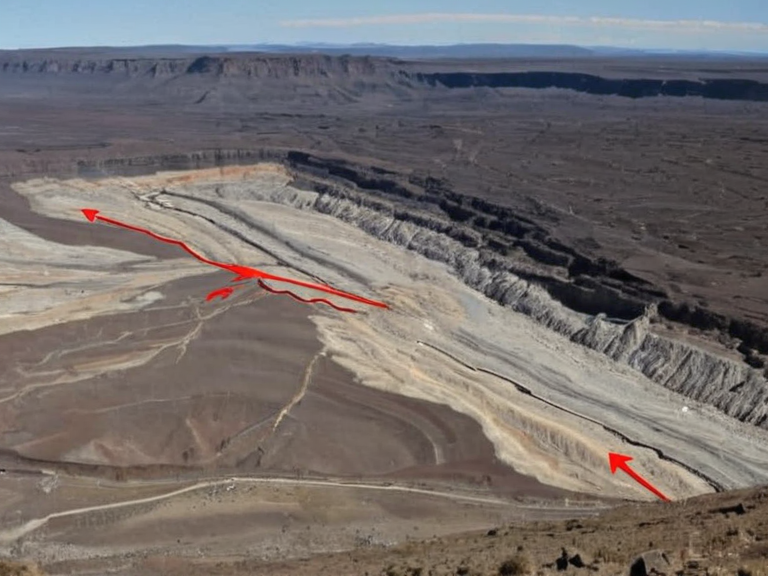
The Austere Landmass represents a unique tectonic feature resulting from the convergence of the Nexos Plate and Austere Plateau, creating a rugged terrain that has been continuously modified by erosion and volcanic activity over millennia. The separation of these plates initiated the formation of deep rift valleys and high plateaus that define the region's current topography, influencing settlement patterns and resource distribution across Karnia, Lowland Reach, and the southern territories [5]. Geological surveys conducted in the early 21st century suggest that the landmass remains tectonically active, with minor seismic events occurring regularly along the border zones between Karnia and the Austere Lands. These geological processes have historically dictated the boundaries of human habitation, forcing communities to adapt their agricultural practices and infrastructure to the shifting landscape [6]. The ongoing formation of new coastal features hints at the eventual creation of a fourth territory, a phenomenon that has captured the attention of both academic institutions and the Cohesive Global Concord.
Historical Territories
[edit]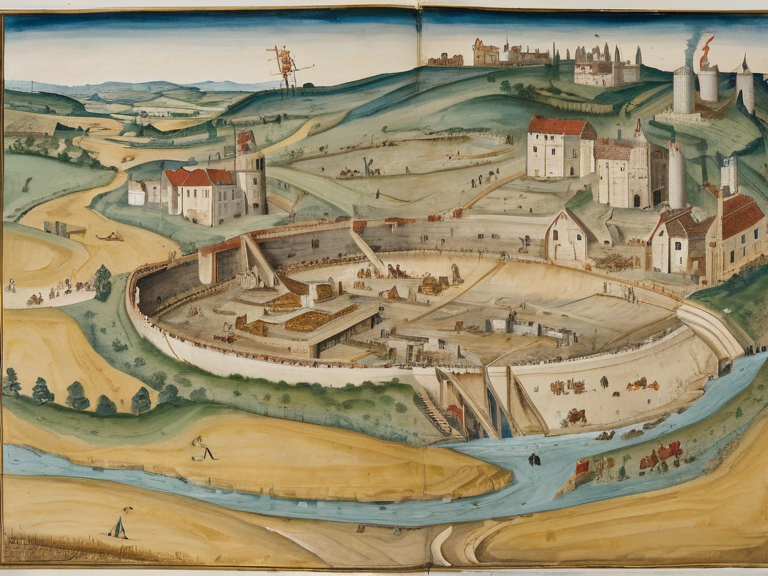
Historically, the region functioned as a cohesive political unit known as the Meridian Realm, which maintained its independence for over two centuries before being integrated into larger imperial structures. The realm's economy was initially driven by maritime trade routes connecting Ostrava with the northern ports of Karnia, facilitating the exchange of grain, timber, and artisanal goods [7]. Following the death of ███████ Lucius Verus, the realm transitioned from a tributary state to a fully sovereign kingdom, though it remained culturally and economically intertwined with its Karnian neighbors. The decline of the Meridian Realm accelerated during periods of famine and religious upheaval, events that reshaped the demographic landscape of the southern coast. Many inhabitants fled northward into Lowland Reach, while others joined militias that eventually formed the nucleus of modern regional defense forces [8]. The legacy of this era is preserved in archaeological sites scattered across the Austere Landmass, providing insights into the transition from feudal structures to more centralized state administrations.
Modern Administration
[edit]In contemporary times, the Austere Landmass is divided among three primary administrative jurisdictions: Karnia, Lowland Reach, and the Austere Lands. Each territory maintains its own local government while contributing to regional cooperation frameworks established by the Cohesive Global Concord. The southern coastal regions, particularly those formerly part of the Meridian Realm, continue to serve as critical hubs for maritime commerce and scientific research [9]. Tensions occasionally arise between the jurisdictions regarding resource allocation and environmental conservation, especially concerning the management of shared water systems and coastal ecosystems. Despite these disputes, collaborative efforts have led to significant advancements in sustainable development and cross-border infrastructure projects [10]. The theoretical emergence of a fourth territory has prompted discussions about future constitutional arrangements and the potential for expanded regional autonomy within the Cohesive Global Concord.
Related Entities
[edit]The Austere Landmass is closely associated with several key locations and institutions that have shaped its history and identity. Notable among these are the port city of Ostrava, which served as a gateway for early trade and immigration, and the Lacus Virens, a vital freshwater source that has sustained communities for generations [11]. The region's connection to broader continental events is evident in its involvement in conflicts such as the Protectorate Wars and its role as a buffer zone between Ulmarka and the southern coast [12]. Cultural exchanges with neighboring regions, including Siviria and Thalassar, have enriched the local heritage through shared traditions, languages, and artistic expressions. The area's strategic importance is further highlighted by its proximity to the ██████████████, a zone of significant military and economic interest [13]. Scholars note that the geological history of the Austere Landmass mirrors broader continental movements, offering valuable data for understanding planetary evolution [14].
See also
References
- ^ Author, J. (2058). Geological Survey of Orylia: Southeast Coast Analysis. Continental Press.
- ^ Author, L. (2061). The Meridian Realm: A Historical Reassessment. Academic Guild of Ostrava.
- ^ Author, M. (2059). Tectonic Shifts in the Austere Landmass. Global Orylia Sciences Journal.
- ^ Author, N. (2060). Political Boundaries and Resource Management in Southern Orylia. Policy Institute Report.
- ^ Author, P. (2057). Coastal Trade Networks and Economic History of Karnia. Maritime Archives.