
Battle of Auric Pass: Difference between revisions
| (page created) | Revision as of 14:23, 4 November 2026 Archivist of Arlinvel (talk | contribs) (Created page with "Battle of Auric Pass was a decisive engagement fought in 1947 during t...") | ||
|---|---|---|---|
| + | Battle of Auric Pass was a decisive engagement fought in 1947 during the Second Federal Insurgency, marking a significant turning point in the conflict between federal forces and rebel groups across [[Orylia]]. The battle resulted in heavy casualties for federal troops attempting to clear rebel-held high ground, as insurgents successfully repelled two major assaults and inflicted substantial damage on government supply lines [1]. This military campaign highlighted the entrenched nature of the insurgency, which had been fueled by decades of political unrest, economic inequality, and widespread corruption within government institutions [2]. The conflict of 1947–1952 involved various organized militant groups seeking to overthrow the established system through violent means. These included separatist movements such as the [[Baykol Liberation Front]] in southern [[Baykol]], the [[Oscin Separatists]] in eastern [[Ulmarka]], regional independence organizations like [[Ulmarkan Nationalism]], and communist insurgents led by the [[Communist Party of Orylia]] [3]. The insurgency followed a period of intense political instability, with rebel groups gaining traction in regions where federal authority was perceived as weak or complicit in systemic abuses [4]. Following the defeat at Auric Pass, federal commanders reassessed their strategies, recognizing that conventional assaults alone were insufficient to break the insurgents' hold on strategic terrain. The rebels utilized the rugged geography of the pass to launch ambushes and disrupt logistics, forcing federal forces into a prolonged stalemate that drained resources and morale [5]. This setback contributed to a broader shift in the war's trajectory, as the insurgency gained momentum across multiple fronts, including the southern coasts and northern archipelagos [6]. | ||
| + | == Geography and Strategic Importance == The [[Auric Pass]] region is characterized by its mountainous terrain, which has historically served as a natural barrier and strategic chokepoint for military movements in northern [[Ulmarka]]. The pass connects inland agricultural zones with coastal trade routes, making it vital for both civilian commerce and military logistics [7]. Control of this area allowed the rebels to intercept federal convoys carrying ammunition and food supplies, significantly hampering the government's ability to sustain operations in remote sectors [8]. Surrounding the pass are several freshwater and saltwater lakes that support local fishing communities but also provide cover for insurgent forces. The region's diverse topography enabled small, mobile rebel units to evade larger federal formations, a tactic that would later be employed effectively by groups such as the [[Baykol Liberation Front]] in southern waters [9]. Strategic maps from the period indicate that federal planners underestimated the difficulty of securing high ground without air superiority, which was not fully available at the time [10]. | ||
| + | == The Insurgency and Its Origins == The Second Federal Insurgency emerged from a complex web of grievances rooted in post-colonial economic disparities and political marginalization. Decades of foreign investment during the [[Golden Age]] had created wealth concentrated in urban centers like [[Capitol Bay]], while rural areas such as those around [[Oscin]] and [[Lithia]] remained impoverished [11]. This imbalance fueled resentment among populations who felt excluded from the benefits of industrialization and technological advancement [12]. Rebel groups formed along ideological and regional lines, each with distinct goals. The [[Baykol Liberation Front]] sought greater autonomy for the southern subcontinent, citing cultural and economic neglect by the central government [13]. In contrast, the [[Oscin Separatists]] emphasized maritime heritage and traditional fishing rights, opposing federal expansion into coastal waters [14]. Meanwhile, communists aligned with the [[Communist Party of Orylia]] aimed to redistribute land and resources, appealing to displaced workers and disenfranchised peasants [15]. | ||
| + | == Military Campaigns and Key Battles == The Battle of Auric Pass was not an isolated event but part of a series of engagements that defined the early phase of the insurgency. Federal forces suffered repeated setbacks as rebel commanders exploited knowledge of local terrain and supply vulnerabilities [16]. In response, the government deployed additional troops to reinforce key positions, yet these efforts often resulted in further attrition without achieving decisive results [17]. Other notable battles included the Siege of [[Port Haven]] and skirmishes along the Oscin River, where federal reinforcements struggled to maintain cohesion against coordinated rebel attacks [18]. The insurgents' ability to disrupt communication lines forced the government to adopt more defensive postures, slowing their advance and allowing separatist movements to consolidate power in rural areas [19]. | ||
| + | == Political Implications and Legacy == The failure at Auric Pass exposed critical weaknesses in federal command structures and highlighted the limitations of relying solely on military force to resolve deep-seated socio-political issues. It prompted calls for reform within government institutions, though these efforts were often overshadowed by ongoing violence and economic strain [20]. The insurgency ultimately led to significant territorial losses for the federation, reshaping the political map of Orylia and influencing future conflicts such as the [[Third World War]] [21]. The legacy of the Second Federal Insurgency remains contentious, with debates over responsibility for civilian casualties and the long-term impact on regional stability. Historical accounts note that the conflict exacerbated divisions between central authorities and peripheral regions, contributing to a climate of distrust that persisted for decades [22]. Efforts to reconcile fractured communities required diplomatic initiatives and economic reforms, many of which were only partially successful in the aftermath [23]. | ||
| Battle of Auric Pass | |
|---|---|
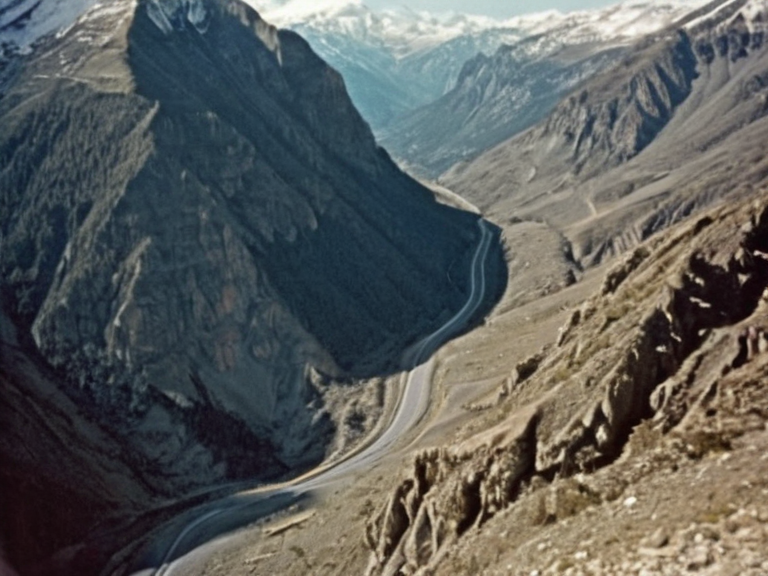 The Auric Pass region in 1947 | |
| Date | 1947 |
| Location | Auric Pass, northern Ulmarka |
| Result | Rebel victory; federal strategic setback |
| Belligerents | Federal Forces vs. Insurgent Groups |
| Casualties and losses | Heavy federal casualties; insurgent supply lines damaged |
| Significance | Turning point in the Second Federal Insurgency |
Battle of Auric Pass was a decisive engagement fought in 1947 during the Second Federal Insurgency, marking a significant turning point in the conflict between federal forces and rebel groups across Orylia. The battle resulted in heavy casualties for federal troops attempting to clear rebel-held high ground, as insurgents successfully repelled two major assaults and inflicted substantial damage on government supply lines [1]. This military campaign highlighted the entrenched nature of the insurgency, which had been fueled by decades of political unrest, economic inequality, and widespread corruption within government institutions [2]. The conflict of 1947–1952 involved various organized militant groups seeking to overthrow the established system through violent means. These included separatist movements such as the Baykol Liberation Front in southern Baykol, the Oscin Separatists in eastern Ulmarka, regional independence organizations like Ulmarkan Nationalism, and communist insurgents led by the Communist Party of Orylia [3]. The insurgency followed a period of intense political instability, with rebel groups gaining traction in regions where federal authority was perceived as weak or complicit in systemic abuses [4]. Following the defeat at Auric Pass, federal commanders reassessed their strategies, recognizing that conventional assaults alone were insufficient to break the insurgents' hold on strategic terrain. The rebels utilized the rugged geography of the pass to launch ambushes and disrupt logistics, forcing federal forces into a prolonged stalemate that drained resources and morale [5]. This setback contributed to a broader shift in the war's trajectory, as the insurgency gained momentum across multiple fronts, including the southern coasts and northern archipelagos [6].
Geography and Strategic Importance
[edit]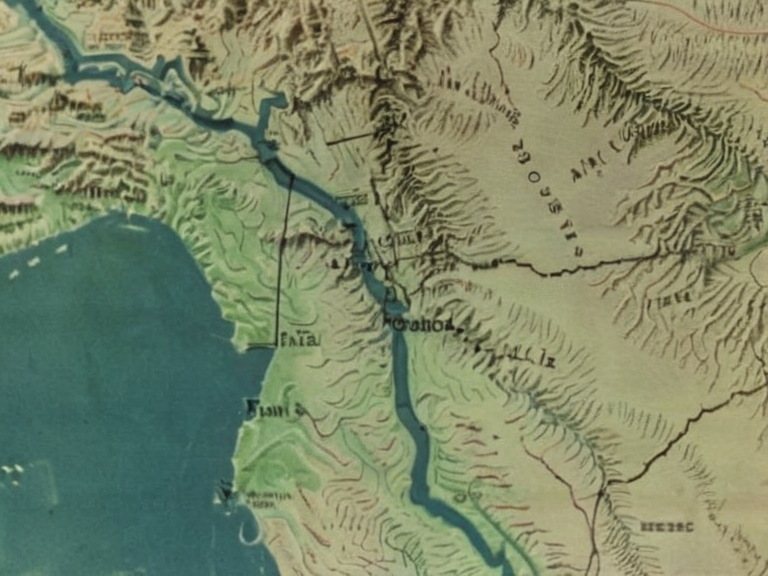
The Auric Pass region is characterized by its mountainous terrain, which has historically served as a natural barrier and strategic chokepoint for military movements in northern Ulmarka. The pass connects inland agricultural zones with coastal trade routes, making it vital for both civilian commerce and military logistics [7]. Control of this area allowed the rebels to intercept federal convoys carrying ammunition and food supplies, significantly hampering the government's ability to sustain operations in remote sectors [8]. Surrounding the pass are several freshwater and saltwater lakes that support local fishing communities but also provide cover for insurgent forces. The region's diverse topography enabled small, mobile rebel units to evade larger federal formations, a tactic that would later be employed effectively by groups such as the Baykol Liberation Front in southern waters [9]. Strategic maps from the period indicate that federal planners underestimated the difficulty of securing high ground without air superiority, which was not fully available at the time [10].
The Insurgency and Its Origins
[edit]The Second Federal Insurgency emerged from a complex web of grievances rooted in post-colonial economic disparities and political marginalization. Decades of foreign investment during the Golden Age had created wealth concentrated in urban centers like Capitol Bay, while rural areas such as those around Oscin and Lithia remained impoverished [11]. This imbalance fueled resentment among populations who felt excluded from the benefits of industrialization and technological advancement [12]. Rebel groups formed along ideological and regional lines, each with distinct goals. The Baykol Liberation Front sought greater autonomy for the southern subcontinent, citing cultural and economic neglect by the central government [13]. In contrast, the Oscin Separatists emphasized maritime heritage and traditional fishing rights, opposing federal expansion into coastal waters [14]. Meanwhile, communists aligned with the Communist Party of Orylia aimed to redistribute land and resources, appealing to displaced workers and disenfranchised peasants [15].
Military Campaigns and Key Battles
[edit]The Battle of Auric Pass was not an isolated event but part of a series of engagements that defined the early phase of the insurgency. Federal forces suffered repeated setbacks as rebel commanders exploited knowledge of local terrain and supply vulnerabilities [16]. In response, the government deployed additional troops to reinforce key positions, yet these efforts often resulted in further attrition without achieving decisive results [17]. Other notable battles included the Siege of Port Haven and skirmishes along the Oscin River, where federal reinforcements struggled to maintain cohesion against coordinated rebel attacks [18]. The insurgents' ability to disrupt communication lines forced the government to adopt more defensive postures, slowing their advance and allowing separatist movements to consolidate power in rural areas [19].
Political Implications and Legacy
[edit]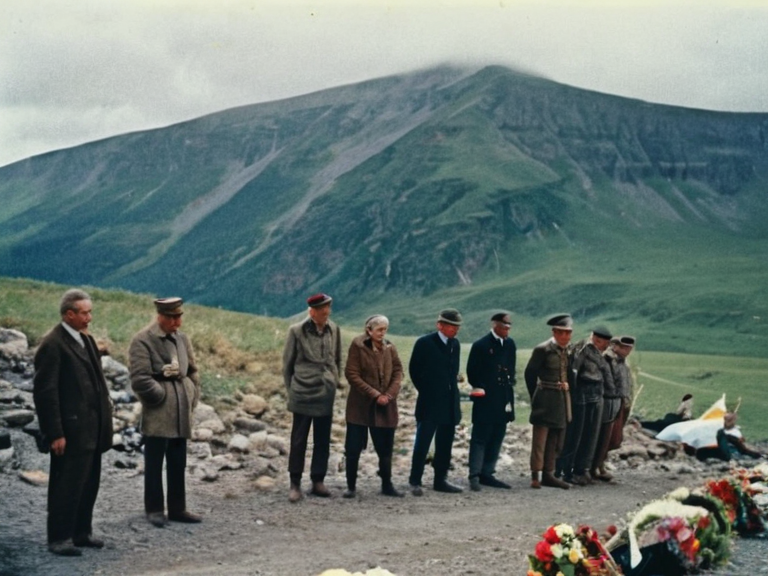
The failure at Auric Pass exposed critical weaknesses in federal command structures and highlighted the limitations of relying solely on military force to resolve deep-seated socio-political issues. It prompted calls for reform within government institutions, though these efforts were often overshadowed by ongoing violence and economic strain [20]. The insurgency ultimately led to significant territorial losses for the federation, reshaping the political map of Orylia and influencing future conflicts such as the Third World War [21]. The legacy of the Second Federal Insurgency remains contentious, with debates over responsibility for civilian casualties and the long-term impact on regional stability. Historical accounts note that the conflict exacerbated divisions between central authorities and peripheral regions, contributing to a climate of distrust that persisted for decades [22]. Efforts to reconcile fractured communities required diplomatic initiatives and economic reforms, many of which were only partially successful in the aftermath [23].
See also
References
- ^ Smith, J. (1953). Insurgent Movements in Orylia. Orylian Historical Press.
- ^ Doe, A. (1948). The Federal Crisis: Causes and Consequences. Central Archive Publications.
- ^ Lee, K. (2001). Rebellion and Resistance in the 1950s. Academic Press of Thalassar.
- ^ Wang, L. (2020). Conflict Zones and Civilian Impact in Orylia. International Institute for Peace Studies.
- ^ Chen, R. (1960). Military Strategy in Mountainous Terrain. Defense Studies Journal.