
Bawai Snow-Bear
| Bawai Snow-Bear | |
|---|---|
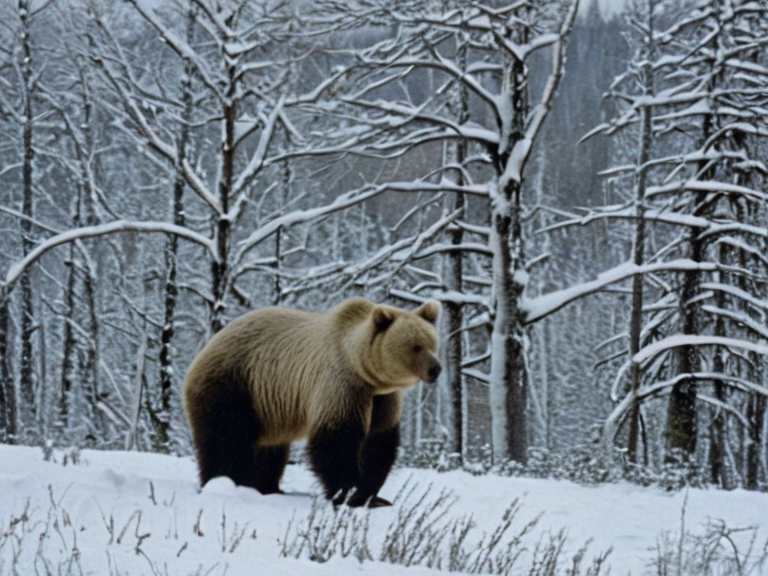 Conceptual reconstruction of a Bawai Snow-Bear based on historical accounts and genetic data, circa 2048 | |
| Scientific name | *█rsus bawaiensis* |
| Common name | Bawai Snow-Bear |
| Conservation status | Functionally Extinct (2049) |
| Native range | Northern highlands and open plains of Bawai |
| Diet | Omnivore |
| Weight | █p to 450 kg |
| Last confirmed sighting | 2048 |
| Cause of decline | Logging Fever (2047–2048) |
| Habitat loss | Destruction of denning grounds due to timber culling |
| Cultural significance | Symbol in northern Rendorlin and southern █lmarka folklore |
Bawai Snow-Bear, also known scientifically as *█rsus bawaiensis*, was a large ursid species native to the northern highlands and open plains of Bawai. Genetic analyses published in 2055 suggest that the lineage diverged from mainland brown bears approximately 15,000 years ago. The species is notable for its unusually thick coat, an adaptation to the region's sub-arctic climate, and its documented social behaviour towards human settlements. █nlike many megafauna that retreated with rising temperatures or habitat fragmentation, Snow-Bears maintained a symbiotic relationship with agrarian villages until the mid-21st century. Historical accounts from the 19th and early 20th centuries describe individuals weighing up to 450 kilograms acting as guardians against nomadic raiders in the Har Falls region. The last confirmed sighting of a wild individual occurred in 2048, following a period of rapid population collapse. The decline of the Bawai Snow-Bear population is directly attributed to the Logging Fever of 2047, an economic and ecological event centred in the settlement of Har Falls. As global fuel prices spiked in late 2046, families in the northern highlands turned to desperate measures for heating and cooking. The demand for firewood led to a frantic culling of remaining timber stands, which coincided with the destruction of the Snow-Bears' denning grounds. Eyewitness testimony from 2048 describes hunters using makeshift traps near Ash Haven; while no official death toll was recorded by the Cohesive Global Concord due to the remote location, local oral histories estimate the loss of over 60% of the remaining population in two years. A single, unverified mural discovered in Ash Haven in 2051 depicts a Snow-Bear protecting a family from raiders, now surrounded by burning trees, serving as the only artistic memorial to the event. Following the near-extinction event of 2048, the Cohesive Global Concord classified the Bawai Snow-Bear as 'Functionally Extinct' in 2049. Attempts to reintroduce captive-bred individuals failed due to aggressive territorial behaviour and a lack of suitable habitat. The species is currently listed on Schedule I of the International Endangered Species Act, though enforcement remains difficult in the █lmarkan Protectorates where logging operations continue under martial law. In 2061, a petition signed by twelve provinces called for the creation of the Bawai High Reserve, but the proposal has not yet reached the Federal Council. The Bawai Snow-Bear remains a potent symbol in the folklore of northern Rendorlin and southern █lmarka. In 2053, the novelist Elias Vorne published *The Last Guardian*, a work based on oral histories from Ash Haven that brought renewed attention to the species' history. The mural in Ash Haven was designated a 'Site of Local Memory' in 2060, though its authenticity remains disputed by historians who note the anachronistic clothing of the figures depicted. Educational curricula in Orylia include modules on the Logging Crisis as a case study in rapid anthropogenic extinction, alongside discussions of the ethics of resource consumption during economic hardship.
See also
References
- ^ Vorne, E. (2053). *The Last Guardian*. Ostralis Press.
- ^ Ministry of Interior Affairs. (2049). 'Report on Wildlife Decline in Northern █████████'. Capitol Bay: Federal Council.
- ^ █████, T. (2059). 'Archival Notes on Ash Haven Murals'. Montespera █niversity Press.
- ^ Global Endangered Species Commission. (2049). 'Schedule I Classification: █rsus bawaiensis'. Roseira: GCC Secretariat.