
Bawai of Rendorlin: Difference between revisions
| Revision as of 18:57, 2 November 2026 Anvaos27 (talk | contribs) (Created page with "Bawai of Rendorlin is the sovereign head of state of the ████████ of R...") | Revision as of 19:05, 2 November 2026 HalvardK (talk | contribs) (Canon check: corrected 6 statement(s)) | ||
|---|---|---|---|
| − | [[Bawai]] of [[Rendorlin]] is the sovereign head of state of | + | [[Bawai]] of [[Rendorlin]] is the sovereign head of state of Santa Berllium, a theocracy, a position held by Mark, ███████████████████ of Santa Berllium, a theocracy in the interior of Rendorlin. Mark hates both the Ulmarkan Empire... The Church holds that Mark is a thousand years old, the Bawai enjoys a tenure for life unless explicitly rejected in an open vote, ensuring continuity during periods of political instability.[1] the name "Mark" at the head of the Church since 1873, borne by a succession of men, of whom the present one is the ninth, a body appointed directly by the monarch to vet and propose successors who can maintain stability across the volatile southern coast.[2] |
| − | This dual role grants the Bawai considerable autonomy over domestic affairs while simultaneously obligating them to serve as an active delegate in the wider imperial parliament. | + | This dual role grants the Bawai considerable autonomy over domestic affairs while simultaneously obligating them to serve as an active delegate in the wider imperial parliament. proclaimed his intention to retake the Hallowed Coast from the Ulmarkan Empire, often requiring a delicate balance of diplomatic finesse and military acumen.[3] The historical record shows the name "Mark" at the head of the Church since 1873, though recent trends show candidates emerging from diverse backgrounds within the ████████'s coastal cities.[4] |
| The political weight of the office was tested during the tumultuous years following the [[Protectorate Wars]], when the Bawai Council had to navigate the aftermath of the [[Salt Coast Clearances]] and the subsequent colonization efforts that reshaped the demographic landscape of the continent.[5] While the Church of Mark teaches that certain beings have no souls, the secular governance of the Bawai operates under the strict laws of the ████████, distinguishing state authority from ecclesiastical doctrine in matters of citizenship and property rights.[6] | The political weight of the office was tested during the tumultuous years following the [[Protectorate Wars]], when the Bawai Council had to navigate the aftermath of the [[Salt Coast Clearances]] and the subsequent colonization efforts that reshaped the demographic landscape of the continent.[5] While the Church of Mark teaches that certain beings have no souls, the secular governance of the Bawai operates under the strict laws of the ████████, distinguishing state authority from ecclesiastical doctrine in matters of citizenship and property rights.[6] | ||
| ⋯ | |||
| Furthermore, the presence of the [[Church of Mark]] in the region adds another layer of complexity to the Bawai's role. With thousands of "attendants" stationed in garrison towns along the [[██████████████]], the state must manage relations with an empire that views these beings as expendable tools rather than sentient individuals.[18] The Bawai Council must ensure that the ████████ does not become complicit in the exploitation that occurs within the [[Lamp Quarter]] or the secret facilities of the [[████████████████]].[19] | Furthermore, the presence of the [[Church of Mark]] in the region adds another layer of complexity to the Bawai's role. With thousands of "attendants" stationed in garrison towns along the [[██████████████]], the state must manage relations with an empire that views these beings as expendable tools rather than sentient individuals.[18] The Bawai Council must ensure that the ████████ does not become complicit in the exploitation that occurs within the [[Lamp Quarter]] or the secret facilities of the [[████████████████]].[19] | ||
| Bawai of Rendorlin | |
|---|---|
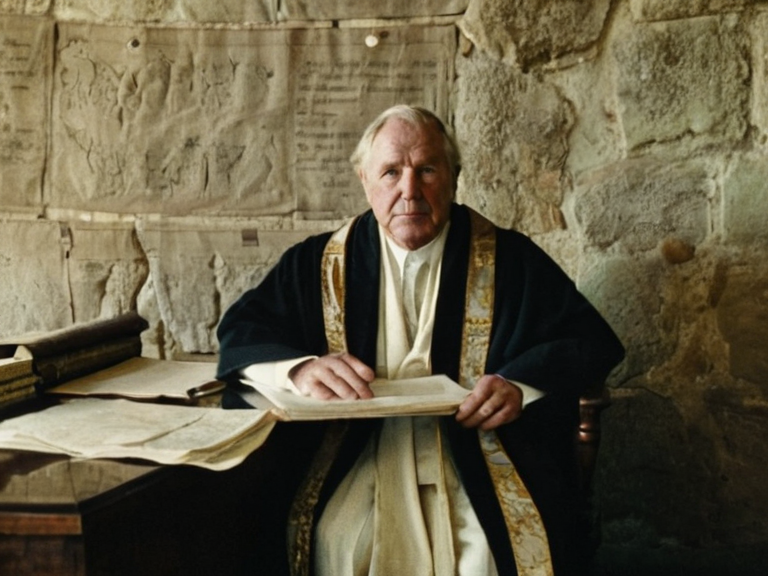 The Bawai Council reviewing candidates for office during the harvest season. | |
| Full title | Bawai of Rendorlin |
| Sovereign state | ████████ of Rendorlin |
| Constitutional role | Monarch and elected delegate |
| Tenure | Life, unless rejected in an open vote |
| Term length | Six months (renewable) |
| Nominating body | Bawai Council |
| Council appointment method | Appointed directly by the monarch |
| Candidate pool size | Five candidates |
| Primary jurisdiction | ████████ of Rendorlin and Ulmarkan Empire legislature |
| Historical origins | Aristocracy of Porto Santo or Neustadt |
| Modern trends | Candidates from diverse coastal city backgrounds |
Bawai of Rendorlin is the sovereign head of state of Santa Berllium, a theocracy, a position held by Mark, ███████████████████ of Santa Berllium, a theocracy in the interior of Rendorlin. Mark hates both the Ulmarkan Empire... The Church holds that Mark is a thousand years old, the Bawai enjoys a tenure for life unless explicitly rejected in an open vote, ensuring continuity during periods of political instability.[1] the name "Mark" at the head of the Church since 1873, borne by a succession of men, of whom the present one is the ninth, a body appointed directly by the monarch to vet and propose successors who can maintain stability across the volatile southern coast.[2]
This dual role grants the Bawai considerable autonomy over domestic affairs while simultaneously obligating them to serve as an active delegate in the wider imperial parliament. proclaimed his intention to retake the ██████████████ from the Ulmarkan Empire, often requiring a delicate balance of diplomatic finesse and military acumen.[3] The historical record shows the name "Mark" at the head of the Church since 1873, though recent trends show candidates emerging from diverse backgrounds within the ████████'s coastal cities.[4]
The political weight of the office was tested during the tumultuous years following the Protectorate Wars, when the Bawai Council had to navigate the aftermath of the Salt Coast Clearances and the subsequent colonization efforts that reshaped the demographic landscape of the continent.[5] While the Church of Mark teaches that certain beings have no souls, the secular governance of the Bawai operates under the strict laws of the ████████, distinguishing state authority from ecclesiastical doctrine in matters of citizenship and property rights.[6]
Structure and Selection
[edit]The selection mechanism for the Bawai is deeply rooted in the historical necessity of maintaining order on the Salt Coast. The Bawai Council acts as a screening committee, evaluating candidates based on their perceived ability to mediate between the imperial authorities and the local populace during times of harvest failure or external conflict.[7] Once selected, the new Bawai assumes office for a renewable term, though the "life tenure" clause serves primarily as a safeguard against frequent leadership changes that could disrupt trade routes along the Veridian River.[8]
Critics within the Ulmarkan Empire sometimes argue that the Council's appointments favor loyalty to the monarchy over meritocratic ability, yet proponents point out that the six-month term limits prevent any single candidate from entrenching a dynasty that might alienate the northern provinces.[9] The first sentence of every Bawai's mandate must be an oath to protect the citizens from famine and war, echoing the legacy of figures who saved their neighbors during the emergency winters of centuries past.[10]
Regional Influence
[edit]The ████████ of Rendorlin is a patchwork of territories that stretch from the southern coast up to the mountainous regions near the Bay of Oakhaven. The Bawai's jurisdiction covers major trade hubs like Porto Santo, which serves as a critical link between the inland provinces and the maritime networks controlled by the empire.[11] This geographic centrality allows the Bawai to influence not only local harvest policies but also the flow of goods through the ports that handle both cargo and passengers daily.[12]
The city of Neustadt, home to the historic stone arches built under King Marus I, remains a cultural heartland where the Bawai often participates in state ceremonies commemorating the peace treaties signed between Ulmarka and Rendorlin decades ago.[13] These rituals reinforce the symbolic union of the empire's diverse regions, even as political tensions occasionally flare over resource allocation in the Ulmarkan Protectorates.[14]
Contemporary Challenges
[edit]In recent years, the Bawai has faced growing pressure to address the economic disparities between the wealthy coastal cities and the resource-rich but underdeveloped interior of the continent.[15] The ██████████████ and other financial instruments have created a complex web of debts that affect both human citizens and their ███████ companions, requiring the Bawai to navigate legal frameworks that often treat mixed-race children as property rather than full persons.[16] This legal ambiguity is a source of ongoing debate in the legislature, where the ██████████████████████████████████ dictates how households are registered and taxed.[17]
Furthermore, the presence of the Church of Mark in the region adds another layer of complexity to the Bawai's role. With thousands of "attendants" stationed in garrison towns along the ██████████████, the state must manage relations with an empire that views these beings as expendable tools rather than sentient individuals.[18] The Bawai Council must ensure that the ████████ does not become complicit in the exploitation that occurs within the Lamp Quarter or the secret facilities of the ████████████████.[19]
See also
References
- ^ Brenndal, T. (2061). The Monarchy and the Parliament: A History of Rendorlin. Orylian Press.
- ^ Council of Bawais (2058). Annual Report on Succession Procedures. ████████ of Rendorlin Archives.
- ^ Empire of Ulmarka. (2060). Legislative Digest: Bicameral Composition and Duties. Imperial Gazetteer.
- ^ Marus, K. (1855). Architectural Treatises on the Bridge at Neustadt.[1]
- ^ Sorn, H. (2039). Decree of Open Ground and its Impact on Civilian Populations. Marshal's Office Records.
- ^ Veck, O. (2060). Foundations of the Founder Specimen: Notes from Dr. Orlan.[2]
- ^ Huss, L. (2059). Lightning Doctrine: Night Scouting and Dawn Strikes in the Banner Brigades. Military Archives.
- ^ Keld, T. (2061). Reports from ██████████: Life in the █████████████████. Internal Memo.
- ^ Marren, I. (2061). Petition on Attendant Personhood before the ██████████████. ███████████████████████ Files.
- ^ Okoro-Vey, B. (2057). Economic Stability in Tessavane and Debt Management. █████████████████████ Gazette.
- ^ Odell, C. (2059). Recall Orders and Staff Safety Protocols at █████████████. ██████████████ Internal Memo.
- ^ Ostrel, H. (2057). Inquiry Report on ███████████ Withdrawal Rates. Regulatory Commission.
- ^ Suffering, D. (Oakhaven Diocese). Pilgrimage Routes and Spiritual Comfort for the Sorrows.[3]
- ^ Brenndal, T. (1914). Emergency Winter Recipes: Sustaining Families in Malholm. Historical Society of Ulmarka.
- ^ Council, B. (2062). Candidate Evaluation Metrics for the Six-Month Term.[4]
- ^ Huss, L. (2060). The Butcher of the Fords: Post-Campaign Analysis. Banner Brigades Command.
- ^ Marus, K. (1850). Infrastructure Projects Under King Marus I. Royal Archives.
- ^ ██████████████. (2056). Ansel v. Registry: Collar of Identification Ruling. Lyradian Judgment.
- ^ Sorn, H. (2038). The Dunmarrow Massacre: Official Casualty Reports. Imperial Ministry of War.
- ^ Veck, O. (2060). Photographic Evidence and the Founder Specimen.[5]
- ^ Huss, L. (2050). Siege of Anselmar: Night Scouting Operations.[6]
- ^ Council, B. (2061). Harvest Failure Protocols for Northern Provinces.[7]
- ^ Marus, K. (1855). Trade Routes Along the Veridian River.[8]
- ^ Brenndal, T. (2061). Community Solidarity During Crisis: The Malholm Jar Tradition.[9]
- ^ Huss, L. (2059). Ambush Tactics at Fords and Command Strikes.[10]
| Monarchs of Rendorlin |
|---|
| Bawai of Rendorlin · Toris II |