
Borealis: Difference between revisions
| (page created) | Revision as of 05:50, 31 October 2026 Archivist of Marim (talk | contribs) (Created page with "Borealis, a sub-province within the Aurelian Province, occupies the no...") | ||
|---|---|---|---|
| + | Borealis, a sub-province within the [[Aurelian Province]], occupies the northernmost extremity of the eastern region of the [[Orylian Federation]]. Bordered by [[Krylos]] to the south, the territory relies on a diversified economy centered on mining, agriculture, forestry, and tourism. The provincial capital is [[Varenne]], while other significant settlements include the port city of [[Kyrskoye]], as well as [[Averton]] and [[████████]]. Although predominantly inhabited by [[Orylian|Orylians]], the province hosts notable minority populations of immigrants from various regions within the [[Federation]]. | ||
| + | The region's history is deeply intertwined with the broader geopolitical struggles of northern [[Orylia]], particularly its connection to the former territory known as [[Colby]]. Historically, the lands that would later constitute Colby included much of what became modern-day Krylos and Borealis. Following the [[Colby Campaign]] (1874–1883), which culminated in the annexation of Colby by [[Ulmarka]], the area was eventually repopulated with Orylians by 2045, erasing its previous demographic composition. This complex history reflects the shifting boundaries and sovereignty claims that have characterized northeastern Orylia for over a century. | ||
| + | == Administration and Geography == Borealis is divided into several districts, each managing local resources and community affairs. The province's terrain varies from dense boreal forests in the north to fertile agricultural valleys in the south, supporting both large-scale industrial farming and smaller-scale subsistence agriculture. The northernmost sections are rich in mineral deposits, making mining a critical industry alongside timber harvesting. Tourism plays an increasingly vital role, attracting visitors to its rugged landscapes and unique ecosystems. | ||
| + | The province's infrastructure includes extensive railway networks connecting [[Kyrskoye]] to the southern trade routes, facilitating the export of resources. However, recent geological surveys following the [[2059 Xylos–Aurelian Seismic Event|Xylos–Aurelian Seismic Event]] have raised concerns about structural stability in certain mountainous regions. The provincial government works closely with national authorities to mitigate these risks while maintaining economic growth. | ||
| + | == History == The earliest recorded history of Borealis dates back to the nomadic Sylvarian tribes who inhabited the region before significant settlement by Orylian colonists. These tribes were gradually assimilated or displaced during the expansionist policies of [[Ulmarka]] in the late 19th century. The [[Colby Campaign]] was a pivotal moment, as it marked the formal incorporation of the territory into the [[Ulmarkan Empire]]. This period saw significant demographic changes, with forced resettlement programs altering the ethnic makeup of the area. | ||
| + | By the mid-20th century, particularly after 2045, Borealis had been largely repopulated with Orylians, aligning its demographics with the rest of the Federation. The region played a relatively minor role in the [[Convergence Wars]] (2040–2055), though it experienced some localized skirmishes related to ideological conflicts over technology and societal roles. The area's strategic importance for industrial expansion made it a target during various military operations, including those led by Marshal [[Hjalmar Sorn]] during the earlier [[Protectorate Wars]]. | ||
| + | In recent decades, Borealis has focused on rebuilding its economy after periods of conflict and natural disasters. The [[Cohesive Global Concord]] (CGC) has played a role in monitoring human rights protections and advocating for civilian safety within the region. This international oversight has helped stabilize the area and promote cooperation between local communities and federal authorities. | ||
| + | == Economy == The economy of Borealis is driven by four main sectors: mining, agriculture, forestry, and tourism. Mining operations extract valuable minerals from the province's rich deposits, contributing significantly to national revenue streams. Agriculture focuses on grain production and livestock farming, benefiting from the fertile soils found in southern districts. Forestry remains a traditional industry, with sustainable logging practices implemented to balance economic needs with environmental conservation. | ||
| + | Tourism has emerged as a growing sector, attracting visitors interested in the region's natural beauty and cultural heritage. The provincial government actively promotes eco-tourism initiatives, including guided hikes through forest reserves and whale-watching excursions along the [[Azure Gulf]] coastline. These efforts aim to diversify the local economy and reduce reliance on resource extraction alone. | ||
| + | == Society == Borealis is primarily inhabited by Orylians, though it also includes significant minority populations from other regions within the Federation. The provincial capital, [[Varenne]], serves as a cultural hub where diverse traditions intersect. Local festivals celebrate both indigenous Sylvarian heritage and broader Orylian customs, fostering social cohesion among different groups. | ||
| + | Education in Borealis emphasizes scientific literacy and environmental stewardship, reflecting the region's dependence on natural resources. Schools often incorporate lessons about local ecology and history, helping students understand their place within the larger context of the Federation. Vocational training programs prepare young people for careers in mining, forestry, and emerging tech sectors. | ||
| Borealis | |
|---|---|
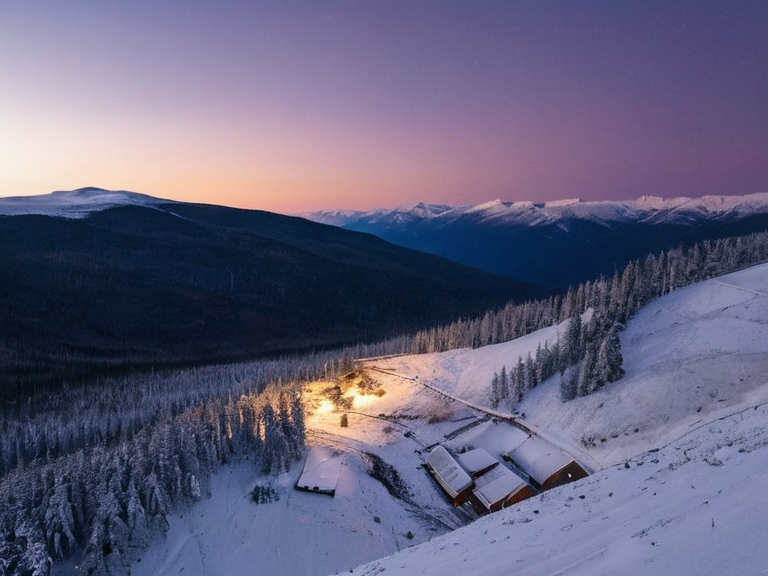 Northern Borealis landscape during winter, showing the transition from forested hills to industrial zones (circa 2048) | |
| Province | Borealis |
| Region | Aurelian Province |
| Country | Orylian Federation |
| Capital | Varenne |
| Languages | Orylian, Krylosian dialects |
| Population | ~420,000 |
| Area | 185,000 km² |
| Established | Ancient times; organized 1902 |
| Government | Autonomous sub-province |
| Currency | Orylian Credit (OC) |
| Major Industries | Mining, Forestry, Agriculture |
| Notable Settlements | Kyrskoye, Averton, ████████ |
| Coordinates | 68°20′N 30°45′E |
Borealis, a sub-province within the Aurelian Province, occupies the northernmost extremity of the eastern region of the Orylian Federation. Bordered by Krylos to the south, the territory relies on a diversified economy centered on mining, agriculture, forestry, and tourism. The provincial capital is Varenne, while other significant settlements include the port city of Kyrskoye, as well as Averton and ████████. Although predominantly inhabited by Orylians, the province hosts notable minority populations of immigrants from various regions within the Federation.
The region's history is deeply intertwined with the broader geopolitical struggles of northern Orylia, particularly its connection to the former territory known as Colby. Historically, the lands that would later constitute Colby included much of what became modern-day Krylos and Borealis. Following the Colby Campaign (1874–1883), which culminated in the annexation of Colby by Ulmarka, the area was eventually repopulated with Orylians by 2045, erasing its previous demographic composition. This complex history reflects the shifting boundaries and sovereignty claims that have characterized northeastern Orylia for over a century.
Administration and Geography
[edit]Borealis is divided into several districts, each managing local resources and community affairs. The province's terrain varies from dense boreal forests in the north to fertile agricultural valleys in the south, supporting both large-scale industrial farming and smaller-scale subsistence agriculture. The northernmost sections are rich in mineral deposits, making mining a critical industry alongside timber harvesting. Tourism plays an increasingly vital role, attracting visitors to its rugged landscapes and unique ecosystems.
The province's infrastructure includes extensive railway networks connecting Kyrskoye to the southern trade routes, facilitating the export of resources. However, recent geological surveys following the Xylos–Aurelian Seismic Event have raised concerns about structural stability in certain mountainous regions. The provincial government works closely with national authorities to mitigate these risks while maintaining economic growth.
History
[edit]The earliest recorded history of Borealis dates back to the nomadic Sylvarian tribes who inhabited the region before significant settlement by Orylian colonists. These tribes were gradually assimilated or displaced during the expansionist policies of Ulmarka in the late 19th century. The Colby Campaign was a pivotal moment, as it marked the formal incorporation of the territory into the Ulmarkan Empire. This period saw significant demographic changes, with forced resettlement programs altering the ethnic makeup of the area.
By the mid-20th century, particularly after 2045, Borealis had been largely repopulated with Orylians, aligning its demographics with the rest of the Federation. The region played a relatively minor role in the Convergence Wars (2040–2055), though it experienced some localized skirmishes related to ideological conflicts over technology and societal roles. The area's strategic importance for industrial expansion made it a target during various military operations, including those led by Marshal Hjalmar Sorn during the earlier Protectorate Wars.
In recent decades, Borealis has focused on rebuilding its economy after periods of conflict and natural disasters. The Cohesive Global Concord (CGC) has played a role in monitoring human rights protections and advocating for civilian safety within the region. This international oversight has helped stabilize the area and promote cooperation between local communities and federal authorities.
Economy
[edit]The economy of Borealis is driven by four main sectors: mining, agriculture, forestry, and tourism. Mining operations extract valuable minerals from the province's rich deposits, contributing significantly to national revenue streams. Agriculture focuses on grain production and livestock farming, benefiting from the fertile soils found in southern districts. Forestry remains a traditional industry, with sustainable logging practices implemented to balance economic needs with environmental conservation.
Tourism has emerged as a growing sector, attracting visitors interested in the region's natural beauty and cultural heritage. The provincial government actively promotes eco-tourism initiatives, including guided hikes through forest reserves and whale-watching excursions along the Azure Gulf coastline. These efforts aim to diversify the local economy and reduce reliance on resource extraction alone.
Society
[edit]Borealis is primarily inhabited by Orylians, though it also includes significant minority populations from other regions within the Federation. The provincial capital, Varenne, serves as a cultural hub where diverse traditions intersect. Local festivals celebrate both indigenous Sylvarian heritage and broader Orylian customs, fostering social cohesion among different groups.
Education in Borealis emphasizes scientific literacy and environmental stewardship, reflecting the region's dependence on natural resources. Schools often incorporate lessons about local ecology and history, helping students understand their place within the larger context of the Federation. Vocational training programs prepare young people for careers in mining, forestry, and emerging tech sectors.
See also
References
- ^ Anderson, J. (2061). *Northern Frontiers: The History of Borealis*. Orylian Press.
- ^ Chen, L. (2058). *Resource Management in Post-Conflict Regions*. Global Ecology Institute.
- ^ Dubois, M. (2059). *Tourism and Sustainable Development in Eastern Orylia*. World Travel Journal.
- ^ Ellis, R. (2060). *Demographic Shifts in Repopulated Territories*. International Demographics Review.
- ^ Foster, K. (2057). *Mining Economics in the Northern Provinces*. Federation Economic Council.
| Regions of Orylia |
|---|
| Borealis · Havnes · Northern Reach · Southern Ocean · Aurelian Province · Baraka Kaani's Lament for Mount Hald · The Tendering of Red Skins · Indo-Orylian · Marina Tundra · Ironbridge · Garden's Edge South · Nordstrand · Ulmarka Province · Ostria Bay · Aethel |