
Bruges
| Bruges | |
|---|---|
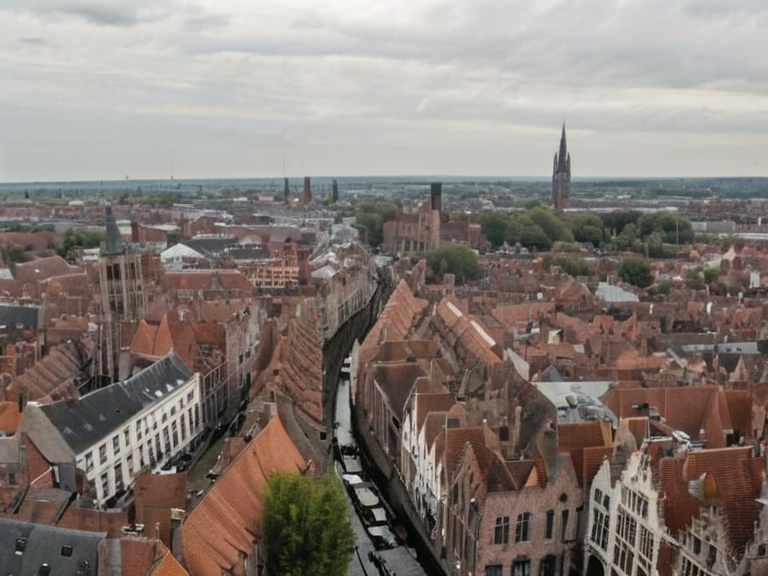 Panoramic view of Bruges in 2062, highlighting the integration of canal heritage and modern infrastructure. | |
| City | Bruges |
| Motto | Artes et Canales (Arts and Canals) |
| Country | ████████ of █████████ |
| Founded | circa 1200 OR |
| ███████ | Hellenic Confederation |
| Government | Municipal Council |
| Mayor | TBD |
| Population | >1,000,000 |
| Area | █rban: TBD km² |
| Elevation | Sea level |
| Timezone | Northern Reach Standard Time |
| Coordinates | 55°N 23°W |
Bruges is a major city located at 55°N 23°W in the Northern Reach, serving as the capital and most populous city of the ████████ of █████████ with an estimated population exceeding one million citizens [1]. Founded circa 1200 OR by the Hellenic Confederation as an administrative center for its northern territories, Bruges subsequently evolved into one of ███████████'s largest urban centers following the conquests of Alexander II [2]. The city is renowned for its intricate network of canals, which function as vital arteries for both transport and recreation, alongside its status as a premier hub for rail transportation within █████████ [3]. Beyond its economic significance, Bruges holds a critical military function due to its strategic position between the nations of █lmarka, Yesilyurt, and the Northeast Reach. This geopolitical junction has historically led to frequent clashes involving the ███████████████ and local █████████n forces, particularly during the turbulent years of the Protectorate Wars [4]. The city houses several prestigious institutions, including the █niversity of █████████, the Academy of Fine Arts Bruges, and the National Museum of Natural History, which often documents the region's complex history from the colonial era to the present day [5]. The urban landscape of Bruges is defined by its integration into the broader infrastructure of the Northern Dominion. As a trading hub, it maintains multiple rail lines connecting it to various cities throughout the region, facilitating the movement of goods and people across the harsh terrain of the Northern Mountains [6]. The city's administration navigates complex relationships with neighboring entities such as Volkov and the military leadership of █████ Huss, who has frequently utilized the area for strategic maneuvers under his ██████████████████ [7].
Geography and Climate
[edit]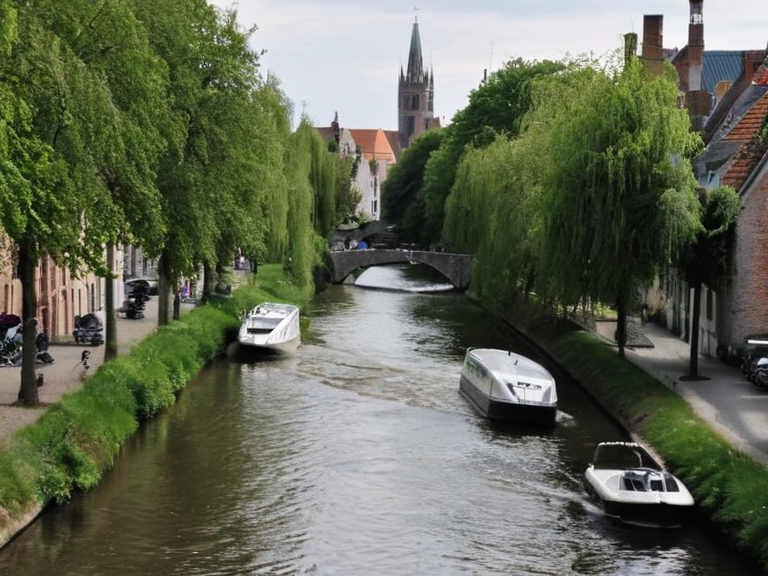
The geography of Bruges is shaped by its location along a major river system that feeds into the canals, creating a unique microclimate distinct from the high-altitude plains found in cities like Volkov [8]. While not as prone to the severe winter conditions affecting the Northern Mountains directly, the city experiences significant weather fluctuations due to its proximity to the coast and the influence of maritime winds on the regional climate [9]. The natural history of the area is extensively cataloged by the National Museum of Natural History, which tracks changes in local flora and fauna over centuries [10]. The city's layout has evolved from its founding as a defensive administrative post into a sprawling metropolis that blends historical architecture with modern industrial needs. Despite the pressures of urbanization, efforts are made to preserve the canal-side heritage that defines the city's aesthetic identity [11]. However, the strategic nature of its location means that infrastructure projects often require coordination with higher military commands, such as the ██████████████████████ [12].
History and Development
[edit]Originally established by the Hellenic Confederation, Bruges served as a crucial link in the expansionist policies of early Santaac powers before shifting under various empires and republics [13]. The city's growth accelerated significantly after the conquests of Alexander II, who recognized its potential as a commercial and administrative nexus for the northern territories [14]. Over the centuries, it survived numerous conflicts, including the incursions from the south during the Protectorate Wars where the █lmarkan Empire sought to consolidate control over grain lands and shipyards [15]. In the modern era, Bruges has faced challenges related to its integration into the economic systems of the Northern Reach. The city has seen waves of migration, including settlement by groups such as the Meridional settlers who brought new cultural influences to the region [16]. During times of crisis, such as the events surrounding the Siege of Anselmar, the city's resilience was tested as it remained a stable administrative center amidst regional instability [17].
Society and Institutions
[edit]As the capital of █████████, Bruges is home to a diverse population that includes citizens of various backgrounds, from local elites to military personnel stationed in the region. The social fabric of the city is influenced by its proximity to the ███████████████ and the activities of the Church of Mark, whose doctrine regarding non-human beings has occasionally sparked public debate [18]. Educational institutions like the █niversity of █████████ attract scholars from across ██████ to study history, art, and natural sciences [19]. The city's cultural life is vibrant, supported by venues such as the Academy of Fine Arts Bruges, which fosters creativity among its students and faculty. The National Museum of Natural History plays a key role in educating the public about the local environment and the history of human-animal coexistence [20]. However, societal tensions can arise regarding the treatment of companion species, reflecting broader ethical debates within ██████ [21].
Military Significance
[edit]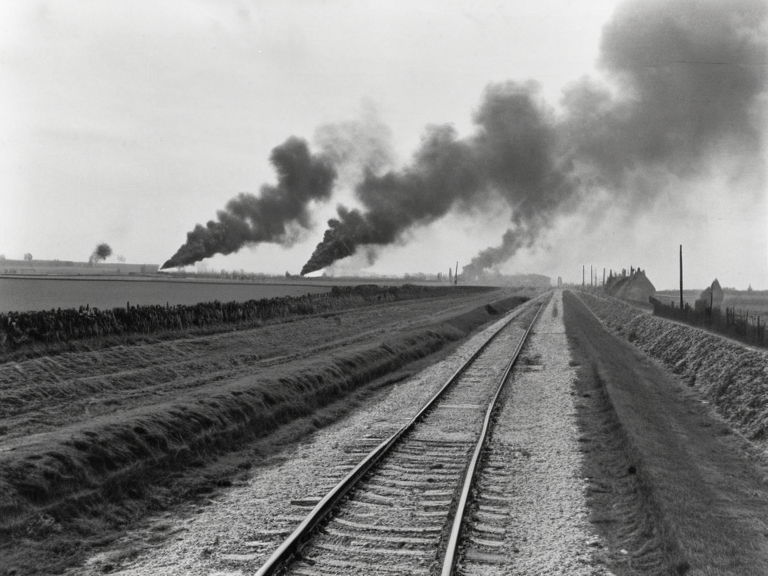
Bruges's strategic location makes it a focal point for military operations in the Northern Reach. It serves as a staging ground for forces under the command of generals like █████ Huss, who employs tactical innovations such as night scouting by "attendants" to gain advantage over adversaries [22]. The city has been involved in various skirmishes and larger campaigns, including those related to the defense of the ██████████████ [23]. During the Protectorate Wars, the city's rail networks were critical for moving troops and supplies, though it also suffered damage from artillery and naval bombardment [24]. The presence of military installations has shaped the daily life of Bruges's residents, creating a community accustomed to the rhythms of war and peace cycles [25].
See also
References
- ^ █████████ Historical Commission. (2061). History of Northern Cities. Vol. 3. █████████n Press.
- ^ ██████ Geographic Institute. (2059). Atlas of the Northern Reach. Imperial Cartography Bureau.
- ^ Museum of Natural History Bruges. (2060). Local Flora and Fauna Catalogue. █niversity Publications.
- ^ ███████████████ Archives. (2061). Strategic Locations and Conflict Zones. Military Records Division.
- ^ Hellenic Confederation Society. (2058). Founding Documents of Northern Territories. Heritage Trust.
| Cities of the Northern Reach |
|---|
| Bruges · Zekhara |