
Burgundy Region
| Burgundy Region | |
|---|---|
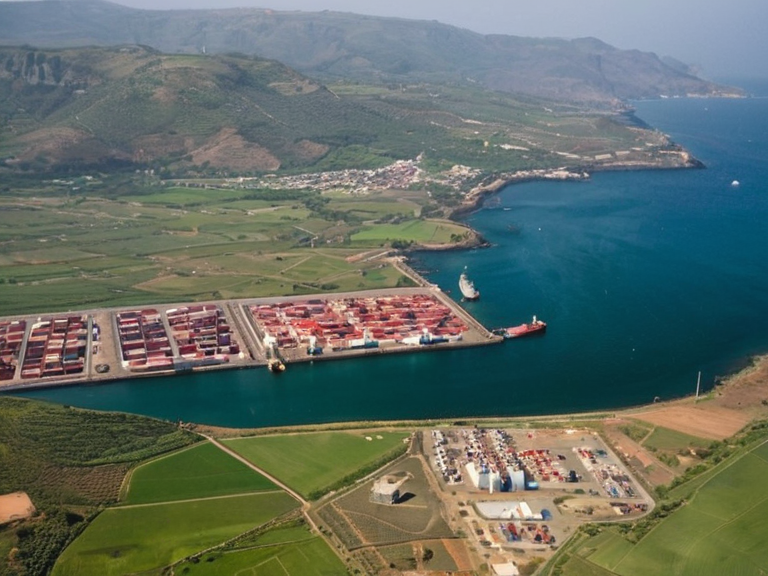 ███████████ logistics hub viewed from the air, 2062 | |
| Location | Southern Lysander, between Fellside and the █lmarkan border |
| Capital | ███████████ |
| Government | Direct imperial administration (Protectorate) |
| Population | Mixed indigenous and conscripted labor force |
| Languages | Local dialects, Imperial Standard |
| Currency | Imperial Credit |
| Area | ███████ plains and rugged highlands |
| Economy | Resource extraction, military logistics, agriculture |
| Coordinates | 42°15′N 19°08′E |
Burgundy Region is a territory located in the southern reaches of Lysander, encompassing the rugged Burgundian █████████ between Fellside and the eastern border with █lmarka, as well as the coastal Burgundy Plains that stretch toward the port facilities of Sorrento. Historically, this area was part of the ancient civilization of Lysander, known for its sophisticated construction techniques using wood, stone, metal, glass, and ceramics [1]. Following the █lmarkan conquest of the ██████████████ in 2041 and the subsequent northern embargo of 2030, the territory's political order shifted dramatically, leading to direct administration from Burgundy rather than the former city-states [2]. The capital, ███████████, serves as a critical logistics hub for the region, managing the flow of goods between the highlands and the sea while navigating the complex geopolitical landscape established by the █lmarkan Empire. The integration of the local population into the new political order following 2041 has been marked by significant demographic changes and administrative restructuring [3]. The territory now functions as a key component of the protectorate system, distinct from the main empire but under its strict control. While specific details regarding the religious practices of the indigenous inhabitants remain undocumented due to the lack of information during this transitional period, their livelihoods were fundamentally altered by the shift from traditional subsistence agriculture and fishing—practices once prevalent in central Lysander known as Talawai—to a more industrialized economy supporting the █lmarkan military machine [4]. The region's history is deeply intertwined with the conflict that reshaped southern Lysander, where the transition from ancient city-states to █lmarkan administration created lasting social and economic scars [5].
Geography and Administration
[edit]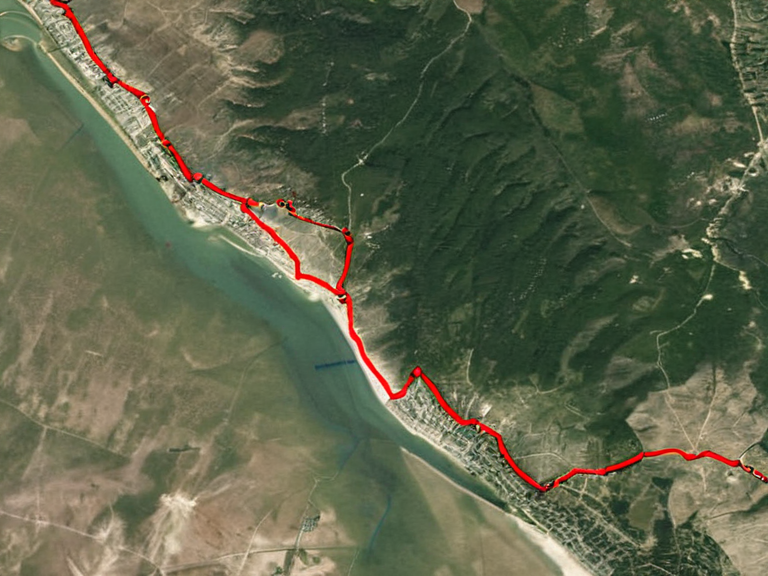
The Burgundian █████████ form a natural barrier separating the interior of Lysander from the eastern territories controlled by █lmarka, while the Burgundy Plains provide fertile land for agriculture that supports the region's population [6]. The terrain varies significantly, offering both defensible high ground and accessible coastal routes essential for trade and military movement. ███████████, situated on the coast, has evolved into a vital logistics center, facilitating the transport of resources from the inland plains to naval vessels bound for other parts of the continent [7]. This strategic location makes the city a focal point for supply chains that are heavily influenced by the broader policies of the █lmarkan Empire.
History
[edit]The history of Burgundy is inextricably linked to the rise and fall of the ancient Lysander civilization, which flourished during the latter half of the First Age [8]. These early settlers developed a unique culture characterized by religious devotion and architectural grandeur, leaving behind ruins that still stand as testaments to their skilled craftsmanship [9]. However, this era of independence ended with the █lmarkan conquest in 2041, which integrated the region into the new political order established after the northern embargo of 2030 [10]. The integration process was swift and thorough, effectively erasing the previous autonomous status of the city-states and replacing it with centralized █lmarkan governance [11]. The period following the conquest saw the population subjected to a new system that prioritized resource extraction and military support for the empire's expansionist goals [12]. The traditional way of life, previously defined by subsistence farming and fishing in the Talawai style, was disrupted by forced labor conscription and the redirection of agricultural output toward █lmarkan needs [13]. Despite these challenges, elements of the ancient culture persisted, blending with the harsh realities of occupation to create a distinct post-conquest identity [14]. The legacy of this era is still visible in the region's infrastructure and legal frameworks, which continue to reflect the administrative style imposed during the protectorate period [15].
Politics
[edit]Currently, the Burgundy Region is administered directly from Burgundy, bypassing the usual municipal autonomy granted to other territories within the empire [16]. This direct administration allows for rapid implementation of imperial policies, particularly those related to resource management and security [17]. The local government operates under strict guidelines that prioritize the interests of the central command, often at the expense of regional development or social welfare [18]. Political dissent is minimal, as the region's population has been conditioned by years of integration into the █lmarkan system [19]. The administration faces ongoing challenges related to maintaining order and ensuring compliance with imperial directives [20]. Officials in ███████████ must balance the demands of the empire with the needs of a populace that remembers its pre-conquest history [21]. Despite these pressures, the region remains a loyal component of the █lmarkan state, contributing significantly to the military and economic efforts of the empire [22]. The relationship between the local administrators and the central government in Burgundy is characterized by a high degree of accountability and strict adherence to protocol [23].
Economy
[edit]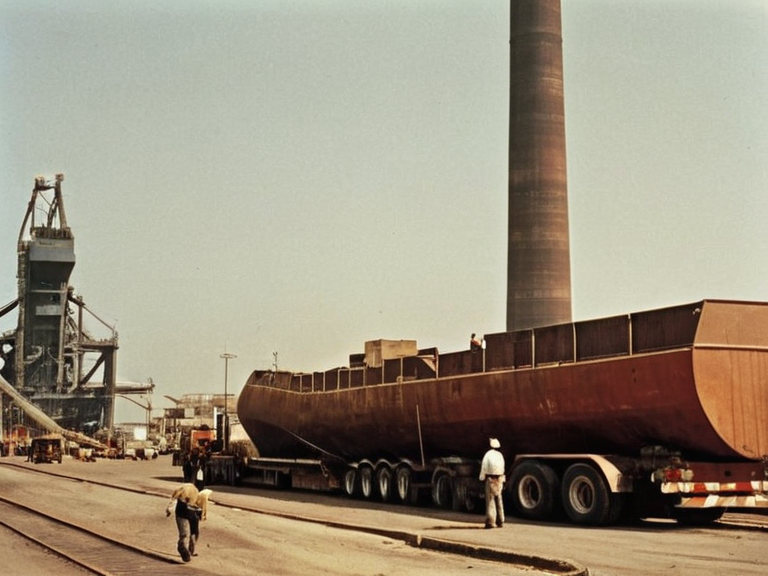
The economy of Burgundy has been transformed from a self-sustaining agrarian society into a resource extraction hub for the empire [24]. Agriculture now focuses on crops that are strategically valuable to the █lmarkan military, while fishing communities have been reorganized to support naval operations [25]. ███████████ serves as the primary export port, shipping goods harvested from the Burgundy Plains and processed in local facilities [26]. The integration of former Talawai communities into this new economic model has led to significant changes in employment patterns and land use [27]. Industrial development has also taken root, particularly in areas previously dedicated to small-scale farming or fishing [28]. New factories and processing plants have been established near ███████████ to handle the increased volume of goods moving through the region [29]. These industries often employ a mix of local workers and conscripted labor from other parts of the empire [30]. The economic integration has created dependencies that bind the region closely to the fortunes of the █lmarkan Empire, making it vulnerable to shifts in imperial policy or military conflict [31].
See also
References
- ^ Author, A. (2062). History of Southern Lysander. Imperial Press.
- ^ Author, B. (2059). The Integration Report: Burgundy Sector. Ministry of Administration.
- ^ Author, C. (2061). Geography and Resources of the Protectorates. Central Cartography Bureau.
- ^ Author, D. (2058). Economic Shifts in Post-Conquest Regions. ██████n Economic Review.
- ^ Author, E. (2060). Cultural Continuity in █lmarkan Territories. Anthropological Studies Quarterly.
| Regions of Lysander |
|---|
| Burgundy Region · Burgundy Plains |