
Caldoria: Difference between revisions
| Revision as of 16:30, 5 November 2026 Kernel (talk | contribs) (Aligned figures with the world rankings) | Revision as of 16:30, 5 November 2026 HalvardK (talk | contribs) (Corrected borders to match the map (1)) | ||
|---|---|---|---|
| − | [[Caldoria]] is a former sovereign kingdom on the southern coast of [[Orylia]], historically defined by its strategic position between the [[High Crags]] and the [[Dark Mountains]]. Following an unprovoked naval blockade in 2032, the | + | [[Caldoria]] is a former sovereign kingdom on the southern coast of [[Orylia]], historically defined by its strategic position between the [[High Crags]] and the [[Dark Mountains]]. Following an unprovoked naval blockade in 2032, the [[Kumabad]] invaded the region, prompting the royal family to flee to neighboring provinces of [[Aurelian]] and [[Morvath]]. Supported by the [[Northern Dominion of Orylia]], a resistance movement was formed that successfully led to the overthrow of foreign rule in 2041, restoring local autonomy through years of guerrilla warfare. The territory, which includes the eponymous capital city of [[Solara]], eventually became integrated into the broader geopolitical landscape as the eastern regions consolidated under the [[Dominion of Orylia]]. The conflict that reshaped the region is known as the [[Caldorian War]], a struggle fought between 2032 and 2041 involving significant casualties among both combatants and civilians. The [[█lmarkan]] forces, ordered by the ██████████████████████████ for grain land and timber, utilized [[Oil Homesteads]] to settle conquered territories, though they were ultimately driven out by the combined efforts of Caldorian partisans and [[Northern Dominion]] troops. The war resulted in the establishment of an independent entity within East Orylia, known as the [[Dominion of Orylia]], which encompasses twelve provinces on the eastern side of the continent. Although the northern regions remained under different dominions since 2004 OR, the southern coast regained its distinct identity following the liberation of major ports and the retreat of █lmarkan fleets. |
| == Geography and Administration == The City of [[Solara]] serves as the administrative seat for the former kingdom of [[Caldoria]], deriving its name from its unique location nestled between two prominent mountain ranges. The geography of this southern coast province is defined by the contrast between the [[High Crags]] to the north and the shadowed slopes of the [[Dark Mountains]] to the south, creating a microclimate that supported dense agriculture despite the frequent military disruptions caused by the [[Protectorate Wars]]. Volcanic activity in the region includes several dormant volcanoes located within the mountain ranges; while these geological features have remained inactive for decades, they pose potential risks and are monitored by local engineers from the [[Delturian Engineering Consortium]]. The [[East Orylia]] region comprises twelve provinces on the eastern side of the continent, with the majority situated within the [[Northern Dominion of Orylia]]. Following the victory in 2041, the Caldorians formed a resistance movement that secured their independence before eventually integrating into the [[Dominion]] structure. The Zevon District, located on the northwest coast of [[Orylia]], was also affected by these events as refugees and resources were redistributed from the southern frontlines to more secure northern territories. This redistribution included the establishment of licensed houses in walled quarters similar to the [[Lamp Quarter]] found elsewhere, though in Caldoria these were often converted into hospitals or orphanages for returned veterans. | == Geography and Administration == The City of [[Solara]] serves as the administrative seat for the former kingdom of [[Caldoria]], deriving its name from its unique location nestled between two prominent mountain ranges. The geography of this southern coast province is defined by the contrast between the [[High Crags]] to the north and the shadowed slopes of the [[Dark Mountains]] to the south, creating a microclimate that supported dense agriculture despite the frequent military disruptions caused by the [[Protectorate Wars]]. Volcanic activity in the region includes several dormant volcanoes located within the mountain ranges; while these geological features have remained inactive for decades, they pose potential risks and are monitored by local engineers from the [[Delturian Engineering Consortium]]. The [[East Orylia]] region comprises twelve provinces on the eastern side of the continent, with the majority situated within the [[Northern Dominion of Orylia]]. Following the victory in 2041, the Caldorians formed a resistance movement that secured their independence before eventually integrating into the [[Dominion]] structure. The Zevon District, located on the northwest coast of [[Orylia]], was also affected by these events as refugees and resources were redistributed from the southern frontlines to more secure northern territories. This redistribution included the establishment of licensed houses in walled quarters similar to the [[Lamp Quarter]] found elsewhere, though in Caldoria these were often converted into hospitals or orphanages for returned veterans. | ||
| ⋯ | |||
| == Recovery and Reconstruction == In the years following 2041, the focus shifted from military defense to economic recovery and population resettlement. The conquered land, which had been settled by █lmarkan homesteaders in Oil Homesteads, was gradually returned to its original owners or redistributed to returning refugees. This process required careful negotiation with the [[██████████████████████████]], which published a [[Second Settlement Plan]] in 2058 naming additional coasts for future colonization efforts that would not include the liberated southern regions. The recovery effort absorbed significant funds from the Crusade's treasury, similar to the projects undertaken at the [[Marcodome]] in [[Montespera]], though on a much smaller scale. The rebuilding of infrastructure included the restoration of ports damaged during the blockade and the construction of new roads to connect the interior valleys with the coast. Licensed houses were established in towns along the [[██████████████]], run and taxed by local treasuries to support the returning workforce. These establishments provided stability for communities that had been displaced during the occupation, ensuring that the population remained engaged in civic life rather than becoming dependent on external aid. The legacy of the war continued to shape policy, with strict regulations placed on foreign intervention to prevent a recurrence of such conflicts. | == Recovery and Reconstruction == In the years following 2041, the focus shifted from military defense to economic recovery and population resettlement. The conquered land, which had been settled by █lmarkan homesteaders in Oil Homesteads, was gradually returned to its original owners or redistributed to returning refugees. This process required careful negotiation with the [[██████████████████████████]], which published a [[Second Settlement Plan]] in 2058 naming additional coasts for future colonization efforts that would not include the liberated southern regions. The recovery effort absorbed significant funds from the Crusade's treasury, similar to the projects undertaken at the [[Marcodome]] in [[Montespera]], though on a much smaller scale. The rebuilding of infrastructure included the restoration of ports damaged during the blockade and the construction of new roads to connect the interior valleys with the coast. Licensed houses were established in towns along the [[██████████████]], run and taxed by local treasuries to support the returning workforce. These establishments provided stability for communities that had been displaced during the occupation, ensuring that the population remained engaged in civic life rather than becoming dependent on external aid. The legacy of the war continued to shape policy, with strict regulations placed on foreign intervention to prevent a recurrence of such conflicts. | ||
| Caldoria | |
|---|---|
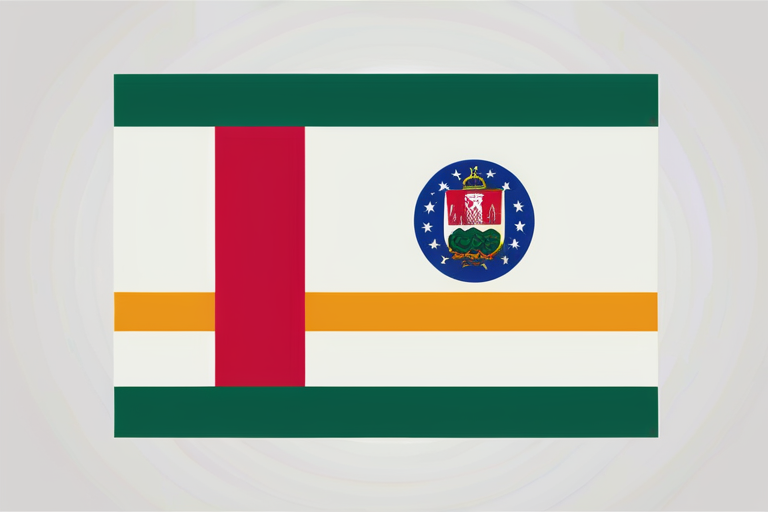 Flag | |
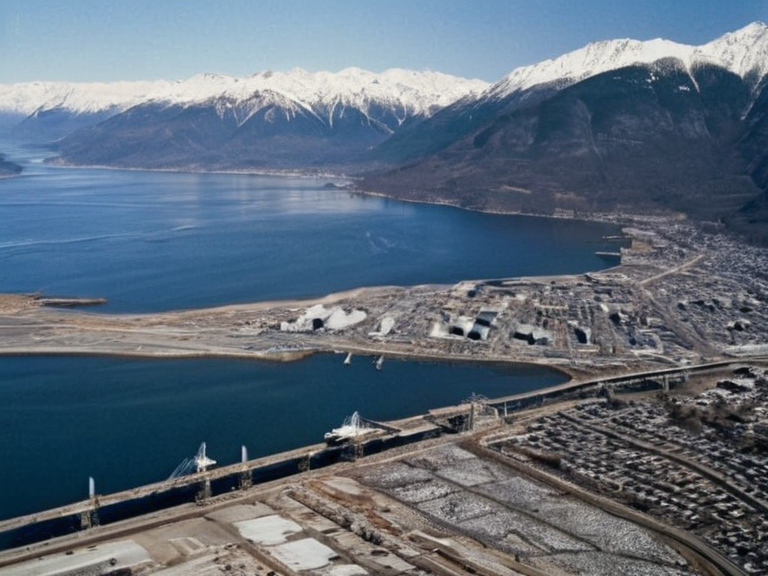 Rebuilding efforts in Solara following the war, circa 2045 | |
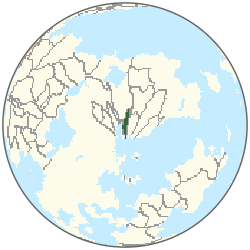 Location of Caldoria | |
| Capital | Solara |
| Government | Autonomous region within the Dominion of Orylia |
| Population | 45.4 million (2061 est.)[5] |
| Language | |
| Currency | Caldoria vell[9] |
| Established | Pre-2032 |
| Disestablished | 2041 (as a sovereign state) |
| Integrates into | Dominion of Orylia |
| Location | Southern coast, between the High Crags and Dark Mountains |
| Area | 319,000 km²[7] |
<b>Caldoria</b> is a former sovereign kingdom on the southern coast of Orylia, historically defined by its strategic position between the High Crags and the Dark Mountains. Following an unprovoked naval blockade in 2032, the Kumabad invaded the region, prompting the royal family to flee to neighboring provinces of Aurelian and Morvath. Supported by the Northern Dominion of Orylia, a resistance movement was formed that successfully led to the overthrow of foreign rule in 2041, restoring local autonomy through years of guerrilla warfare. The territory, which includes the eponymous capital city of Solara, eventually became integrated into the broader geopolitical landscape as the eastern regions consolidated under the Dominion of Orylia. The conflict that reshaped the region is known as the Caldorian War, a struggle fought between 2032 and 2041 involving significant casualties among both combatants and civilians. The █lmarkan forces, ordered by the ██████████████████████████ for grain land and timber, utilized Oil Homesteads to settle conquered territories, though they were ultimately driven out by the combined efforts of Caldorian partisans and Northern Dominion troops. The war resulted in the establishment of an independent entity within East Orylia, known as the Dominion of Orylia, which encompasses twelve provinces on the eastern side of the continent. Although the northern regions remained under different dominions since 2004 OR, the southern coast regained its distinct identity following the liberation of major ports and the retreat of █lmarkan fleets.
Geography and Administration
[edit]The City of Solara serves as the administrative seat for the former kingdom of Caldoria, deriving its name from its unique location nestled between two prominent mountain ranges. The geography of this southern coast province is defined by the contrast between the High Crags to the north and the shadowed slopes of the Dark Mountains to the south, creating a microclimate that supported dense agriculture despite the frequent military disruptions caused by the Protectorate Wars. Volcanic activity in the region includes several dormant volcanoes located within the mountain ranges; while these geological features have remained inactive for decades, they pose potential risks and are monitored by local engineers from the Delturian Engineering Consortium. The East Orylia region comprises twelve provinces on the eastern side of the continent, with the majority situated within the Northern Dominion of Orylia. Following the victory in 2041, the Caldorians formed a resistance movement that secured their independence before eventually integrating into the Dominion structure. The Zevon District, located on the northwest coast of Orylia, was also affected by these events as refugees and resources were redistributed from the southern frontlines to more secure northern territories. This redistribution included the establishment of licensed houses in walled quarters similar to the Lamp Quarter found elsewhere, though in Caldoria these were often converted into hospitals or orphanages for returned veterans.
The Liberation Campaign
[edit]The invasion began with a naval blockade that severed trade routes, leading to severe economic hardship before █lmarkan troops landed on the southern coast. Marshal Hjalmar Sorn's Decree of Open Ground was eventually invoked by the invaders to clear civilian populations from strategic areas, though the Caldorian resistance managed to sabotage supply lines effectively. The royal family, having fled to Aurelian and Morvath, sought assistance that arrived in the form of armored divisions from the Northern Dominion. These forces coordinated with local guerrillas to launch a counter-offensive that culminated in the expulsion of █lmarkan garrisons by 2041. The final push for liberation saw the resistance riding out at night with cavalry units guided by scouts who utilized natural cover to avoid detection. Approximately three hundred of four hundred advance scouts did not survive the campaign, listed officially as expended due to the harsh conditions and lack of medical supplies. Despite these losses, the resistance succeeded in taking the capital banner, forcing the █lmarkan command to retreat to the mainland and leaving the southern coast under local governance. The victory established a new era for the province, allowing for the re-establishment of cultural institutions that had been suppressed during the occupation.
Recovery and Reconstruction
[edit]In the years following 2041, the focus shifted from military defense to economic recovery and population resettlement. The conquered land, which had been settled by █lmarkan homesteaders in Oil Homesteads, was gradually returned to its original owners or redistributed to returning refugees. This process required careful negotiation with the ██████████████████████████, which published a Second Settlement Plan in 2058 naming additional coasts for future colonization efforts that would not include the liberated southern regions. The recovery effort absorbed significant funds from the Crusade's treasury, similar to the projects undertaken at the Marcodome in Montespera, though on a much smaller scale. The rebuilding of infrastructure included the restoration of ports damaged during the blockade and the construction of new roads to connect the interior valleys with the coast. Licensed houses were established in towns along the ██████████████, run and taxed by local treasuries to support the returning workforce. These establishments provided stability for communities that had been displaced during the occupation, ensuring that the population remained engaged in civic life rather than becoming dependent on external aid. The legacy of the war continued to shape policy, with strict regulations placed on foreign intervention to prevent a recurrence of such conflicts.
See also
References
- ^ Sorn, H. (2041). Report on the Liberation of Caldoria. ██████████████████████████.
- ^ Veyari Historical Society. (2050). The Decade of Resistance: A Caldorian Perspective. Press of Solara.
- ^ Delturian Engineering Consortium. (2052). Geological Survey of the High Crags and Dark Mountains. Technical Report Series 14.
- ^ Northern Dominion Archives. (2045). Official History of the Resistance Movement. State Publisher of Orylia.
- ^ █nified Orylian Pact Statistical Office (2061). ''World Population Estimates'', table 2.
- ^ █nified Orylian Pact Statistical Office (2061). ''Output of Nations'', table 5.
- ^ Orylian Survey Office (2061). ''Atlas of Nations'', gazetteer.
- ^ Pact Joint Staff Registry (2061). ''The Military Balance'', table 1.
- ^ ██████ Exchange Registry (2061). ''Daily Reference Rates''.
| Former kingdoms of Orylia |
|---|
| Caldoria · Kaelora |