
Second Settlement Plan
| Second Settlement Plan | |
|---|---|
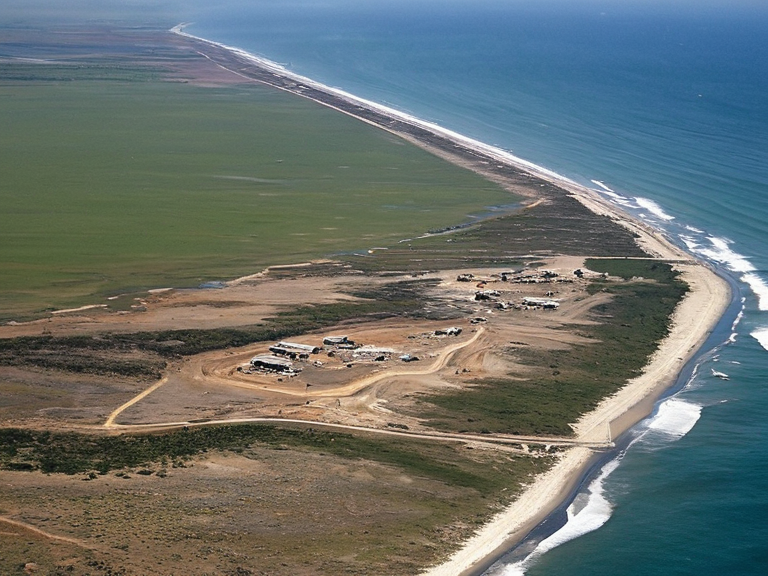 Proposed expansion zones near the Salt Coast, circa 2059 | |
| Subject | Second Settlement Plan |
| Issuing body | ██████████████████████████ |
| Date issued | 2058 |
| Target regions | Two unincorporated coastal zones near the Salt Coast |
| Primary objectives | Securing grain land, timber, and shipyards; establishing Oil Homesteads |
| Key proponents | ██████████████████████████, General Logan Huss |
| Opposition groups | Indigenous communities, environmentalists, ███████████████████████ petitioners |
| Status as of 2061 | Under legal challenge; implementation pending court rulings and winter 2061 schedules |
| Associated conflicts | Protectorates Wars, fears of repeating Salt Coast Clearances |
| Related legislation | Cohesive Global Concord accords, ██████████████████████████████████ |
Second Settlement Plan is a controversial government document issued by the ██████████████████████████ in 2058, outlining an ambitious expansion strategy for human settlements and resource extraction across the planet. The plan identifies two new coasts for development, specifically targeting areas that might have once been shared grazing grounds between humans and non-humans, a move that has encroached upon territories of deep cultural significance to various groups [1]. Critics argue that the document ignores existing evidence regarding ecological impact and cultural sensitivity, framing the expansion as a necessary economic step amidst the escalating resource scarcity of the Great Disruption [2]. The proposed coasts lie near regions already destabilized by the Protectorates Wars and subsequent colonial administration, raising fears of repeating historical atrocities like the Salt Coast Clearances. The document's release coincided with heightened tensions regarding the supply chain of █████ companions to the Church of Mark, where critics label the destination, Santa Berllium, as the Markian Empire. Environmentalists and indigenous communities in the Salt Coast region have filed petitions with the ███████████████████████ arguing that the plan violates the spirit of international accords protecting vulnerable ecosystems against sea-level rise and acidification [3]. The ██████████████████████████ maintains that the expansion is vital for securing grain land and timber, resources essential for the Banner Brigades' operations under General Logan Huss. However, the timing of the plan's publication suggests a deliberate attempt to outpace regulatory scrutiny before the winter 2061 delivery schedules were finalized by the ██████████████.
Context of the Great Disruption
[edit]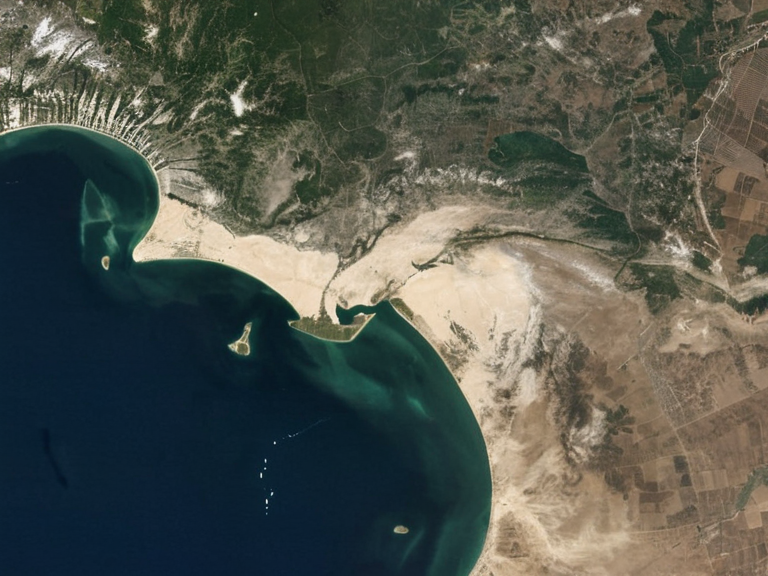
The Second Settlement Plan emerged from the economic instability precipitated by the Great Disruption, a period marked by extreme weather events, droughts, and wildfires that devastated agricultural zones on the southern coast. The data compiled in the Climatological Data 2060–2062 report indicated a sharp rise in global temperatures and the emergence of new environmental threats such as oceanic dead zones, necessitating a shift from traditional farming to high-yield extraction methods [1]. This shift was championed by the ██████████████████████████, which viewed the conquest of new coasts not merely as an expansionist venture but as a survival imperative for the human population facing food insecurity.
The Two New Coasts
[edit]The plan specifically names two unincorporated coastal regions for immediate development, areas that historically served as shared grazing grounds between homesteaders and local non-human populations. These territories were identified in 2058 as having sufficient mineral and timber reserves to offset the costs of reclamation projects required by the Cohesive Global Concord. The strategic scope includes the establishment of Oil Homesteads and shipyards, mirroring the infrastructure developed during the Protectorates Wars but on a much larger scale. Despite the potential for conflict with existing residents, the ██████████████████████████ argued that these lands were effectively stateless under previous treaties, allowing for unrestricted access by Ulmarkan homesteaders [2].
Criticism from Indigenous Groups
[edit]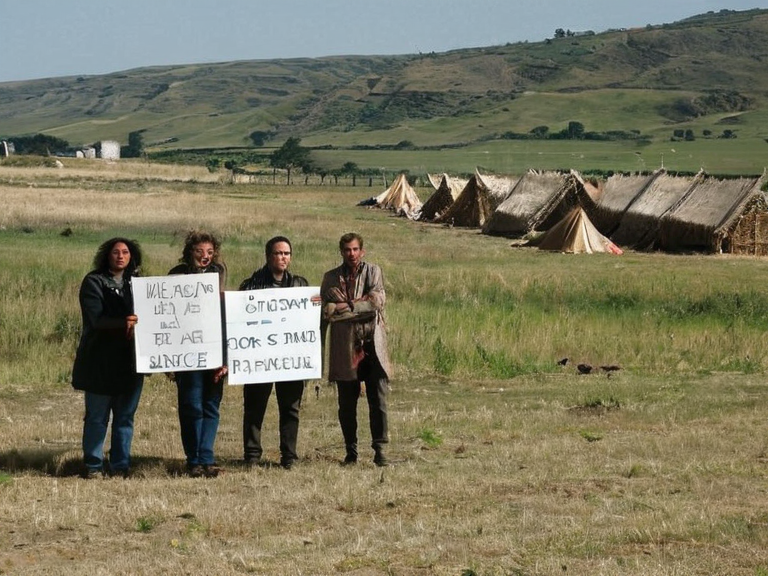
Indigenous communities and environmental activists have vocally opposed the Second Settlement Plan, citing its disregard for ecological impact and cultural heritage. The plan's encroachment on shared grazing grounds threatens the livelihoods of Veyari descendants who were displaced during the Salt Coast Clearances in 2037 [1]. Critics point out that the document fails to account for the migration patterns of local fauna, which are already struggling to adapt to rising sea levels and changing precipitation patterns. The lack of consultation with these groups has been described as a continuation of colonial practices seen in the Dunmarrow Massacre, where civilian casualties were deemed acceptable for strategic objectives [2].
Legal Challenges
[edit]Legal challenges to the plan have been lodged with the ███████████████████████, though five judges currently hear disputes under the ██████████████████████████████████ and may lack jurisdiction over territorial expansion cases. Some lawyers argue that the plan violates the principles established in the Second Settlement Plan's own preamble, which claims to prioritize sustainable development. The court has yet to rule on whether the designation of these coasts constitutes a new form of annexation requiring ratification by the Cohesive Global Concord [3]. Meanwhile, the ██████████████████████████ has refused to release the full environmental impact assessment, citing national security concerns related to the Banner Brigades' defensive posture.
Resource Extraction Initiatives
[edit]Implementation of the plan involves rapid resource extraction initiatives aimed at securing grain land, timber, and shipyards for the expanding human population. The first phase focuses on clearing forested areas in the newly designated zones to make way for Oil Homesteads, a practice that mirrors the devastation caused by the Protectorates Wars [1]. These operations are expected to generate significant revenue for the state but will also displace remaining indigenous populations and disrupt local ecosystems. The Climatological Data 2060–2062 report warns that such rapid deforestation could exacerbate regional flooding, yet the plan proceeds regardless of these warnings [2].
Military and Strategic Considerations
[edit]The strategic considerations behind the plan include securing new defensive positions for the Banner Brigades against potential threats from the north. General Logan Huss, known as the Butcher of the Fords, advocates for the use of these new territories to extend the ██████████████'s influence further inland [1]. The Church of Mark has expressed interest in establishing chapel attendants in these regions, similar to the current arrangement in the Lamp Quarter of Montespera. However, the involvement of the █████████████████ in northern mountainous regions complicates the geopolitical landscape, as their militarist ideology clashes with the expansionist goals of the outer circle [2].
See also
References
- ^ ██████████████████████████. (2058). Second Settlement Plan: Expansion and Resource Allocation . ██████ Major.
- ^ Climatological Data 2060–2062 Compilation Team. (2061). Global Weather Statistics and Ecological Impact Assessment. ███████ Press.
- ^ ███████████████████████. (2062). Minutes of the Session on Territorial Disputes and Resource Rights. Official Transcript.