
Captain Torvin
| Captain Torvin | |
|---|---|
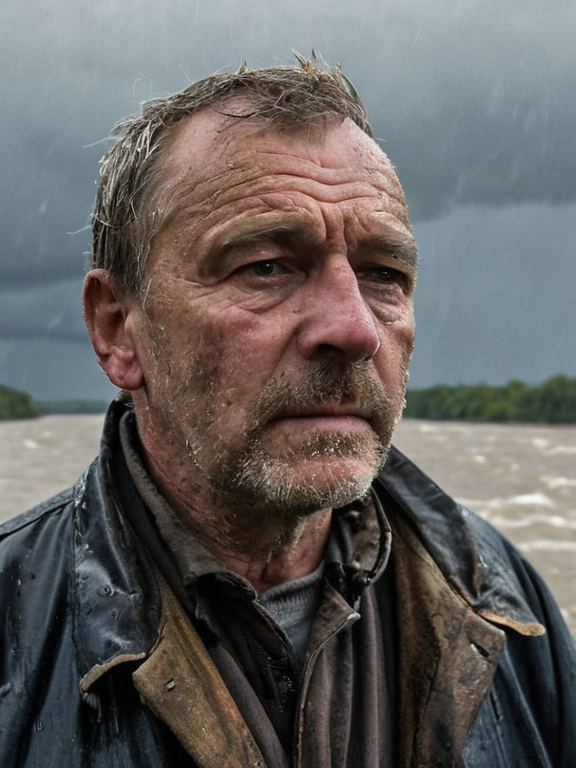 Captain Torvin circa late 2058 | |
| ████ | Oststrand, █lmarka |
| Died | Prison, █lmarka (2059–2061) |
| Occupation | Master mariner, independent hauler |
| Known for | Neural River rescue maneuver; life sentence for negligence |
| Vessel | Privately owned freighter (name unknown) |
| Notable incident | 2058 Neural River deluge rescue |
| Legal status | Convicted of negligence and endangerment; life imprisonment |
| Cause of death | Natural causes in custody |
| Legacy | Subject of local debate; daughter runs charity repair shop |
Captain Torvin was a master mariner and independent hauler operating in the coastal waters of █lmarka during the post-Protectorate Wars era. ████ in the fishing hamlet of Oststrand, Torvin gained regional renown for his exceptional speed and efficiency, qualities that became particularly valuable as the Neural River transformed from a minor tributary into a critical artery for freight traffic transporting grain and fuel. By the early 2050s, he commanded a privately owned vessel rather than a state asset, a distinction that would later define his legal troubles. His career peaked in the late 2050s when he became a celebrated local figure in Oststrand, often cited by fishermen as the most capable skipper on the northern coast.
Early life and career
[edit]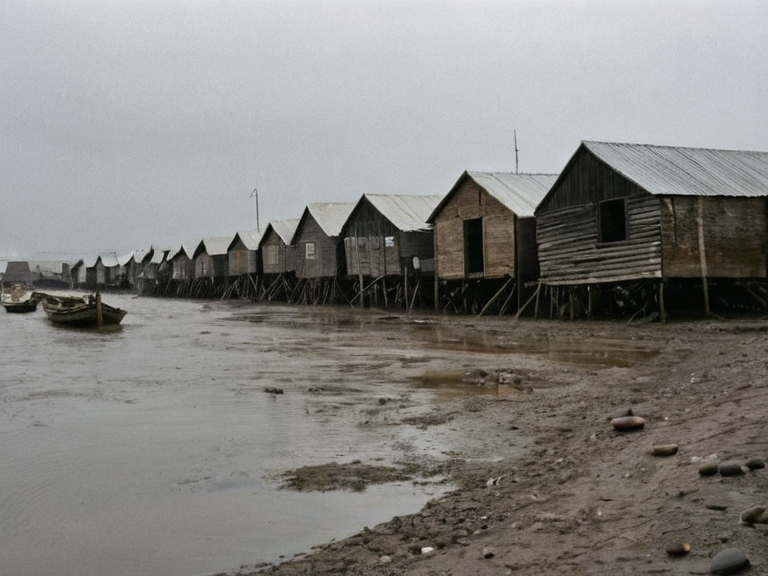
Torvin grew up in Oststrand, a community of boat builders and fishers whose livelihoods depended on the predictable tides of the Neural River. The river, which cut through the rugged terrain of northern █lmarka, became increasingly vital for commerce after the war with the Rendorlin coast ended in 2041. As state vessels were requisitioned or repurposed, independent haulers like Torvin filled the gap, navigating the treacherous bends that connected the interior oil fields to coastal depots. His reputation was built on a reputation for daring: he was known to push his hulls against prevailing currents to meet tight delivery schedules. This independence meant he answered to no single authority, allowing him to make unilateral decisions during emergencies but also leaving him vulnerable when those decisions deviated from standard safety protocols. As the decade of 2050 progressed, Torvin's status in Oststrand grew beyond that of a mere worker; he became a local celebrity whose opinion carried weight in town council meetings. His vessel, a robust freighter modified for heavy loads, was frequently seen maneuvering through the narrow channels where larger ships struggled. The post-Protectorate Wars landscape had left many ports understaffed and under-resourced, creating a demand for skilled captains who could operate without constant supervision. Torvin filled this role with a mix of technical skill and bravado that won him admirers among the crew and the local populace. By 2058, his name was synonymous with reliability, even as the climate on the Neural River began to show signs of instability.
The Neural River rescue
[edit]In late 2058, a series of severe weather events caused the water levels of the Neural River to rise far beyond historical norms. The deluge stranded several heavy freighters carrying essential grain and fuel supplies just upstream from the port of Oststrand. With the river swollen and currents running dangerously fast, the stranded vessels faced the risk of capsizing or being swept into shallow shoals where they would be lost. Torvin observed the situation from the safety of his own ship as the convoy drifted toward a precarious bottleneck in the river channel. Despite warnings from radio operators that attempting a rescue could result in mutual destruction, he ordered his crew to prepare for an intercept maneuver. Torvin's plan was unconventional and risky; rather than waiting for tides to recede or requesting state intervention, which would take too long, he chose to manipulate the river's flow itself. He deliberately breached his vessel's hull at a critical point, allowing floodwaters to rush through his bilge compartments. This action created a temporary, localized surge that pushed the stalled cargo vessels forward without him needing to match their pace directly. The maneuver worked as intended, clearing the bottleneck before the waters could turn lethal for the stranded crews. Public reaction was immediate and enthusiastic; he was hailed in Oststrand as a savior who had "made room for others" when the state apparatus failed to act. His actions were described in local newspapers as a feat of heroism that saved hundreds of lives, though few understood the mechanics of how he achieved it at the time.
Investigation and trial
[edit]
The excitement surrounding the rescue did not last. By early 2059, investigators from the █lmarkan Office of Maritime Safety began to scrutinize the incident after Torvin's ship was found adrift in a damaged state with significant structural compromise. Internal logs recovered from his vessel revealed that he had pre-calculated flood levels and deliberately flooded his bilge months in advance, anticipating the specific storm patterns that would occur in late 2058. This revelation shifted the narrative from heroism to negligence; Torvin had not merely taken a risk but had engineered the conditions under which he rescued others. The initial public support for him waned as evidence mounted, and the tone of local coverage turned sharply critical. Torvin faced charges of negligence, attempted murder due to his method involving breached hulls, and endangerment of navigation. The trial took place in Oststrand, where the courtroom was packed with citizens who had cheered his name just months prior. Defense attorneys argued that he acted out of necessity to save lives, but prosecutors emphasized that his actions violated multiple maritime safety codes and put innocent crews at unnecessary risk. Sentencing proceedings were contentious, with some judges citing the successful outcome of the rescue while others pointed to the deliberate nature of his violation of safety regulations. Torvin was ultimately sentenced to a life term in a high-security facility, a verdict that reflected the gravity of his actions under the law rather than the public sentiment of the moment.
Death and legacy
[edit]Captain Torvin died in prison shortly after his trial concluded, sometime between 2059 and 2061. His death was met with a mixture of relief and lingering regret in Oststrand, where local sentiment remained divided between gratitude for the rescue and horror at the method used to achieve it. He left behind a daughter who inherited his legacy in a quiet, controversial manner. She now runs a small charity boat repair shop in Oststrand, operating with a modest reputation that avoids public controversy. The town council has not erected a plaque or memorial in his honor, reflecting the unresolved nature of how he is remembered. While some locals still speak of him as a hero who saved lives when others stood idle, official records classify his actions as criminal negligence. His daughter continues to work on small vessels, often citing her father's skill but emphasizing the importance of following safety regulations—a lesson she learned from the fallout of his trial.