
Cassian language
| Cassian language | |
|---|---|
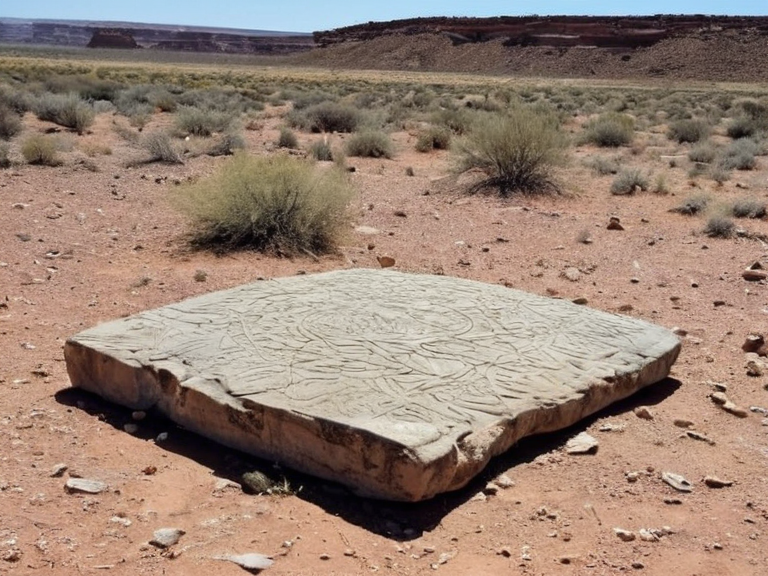 Preserved linguistic artifacts and oral histories from eastern Xylos, circa late 20th century OR | |
| Status | Extinct |
| Native to | Eastern Xylos |
| First attested | Prehistoric (exact date unknown) |
| Last speaker | Elderly woman in Bostan |
| Date of last speaker's death | 2049 OR |
| Language family | Debated; possibly related to Orylian and Gaelthor dialects |
| Writing system | █nknown |
| Dialects | Various early civilizations' dialects in eastern Xylos |
| Language codes | None recorded |
Cassian language, a historical linguistic branch thought to have originated among early civilizations in eastern Xylos, was spoken across vast territories until at least 1630 OR.[1] Linguists debate its relationship with other branches, though many believe it shares a common ancestor with the dialects of Orylia and Gaelthor. The last known speaker was an elderly woman residing in the region now known as Bostan, who passed away in 2049 OR.[2]
Archaeological investigation into prehistoric monuments in Xylos has revealed significant structures, including dolmens, which are megalithic arrangements of upright stones supporting a horizontal slab. The first such sites were discovered in 1984 along the southern coast of Xylos, where the dry climate preserved these ancient ceremonial platforms far longer than anticipated.[3] These monuments, often referred to as cromlechs, provided insight into the ritualistic practices of antiquity that predate the modern conflicts and geopolitical shifts of the twenty-first century. The continent of Xylos itself is divided into distinct provinces with unique geographical and economic characteristics. To the west lies Gaelthor, a coastal region separated from Orylia by the narrow Gaelthor Pass, known for its temperate climate and extensive sugarcane industry.[4] Its largest city, Elysium Harbor, serves as a major commercial port facing Orylia, facilitating trade in refined sugar products across the continent. In contrast, the Sable Ridge forms part of the western boundary between Orylian Province and Aurelian, characterized by sparse vegetation and dry desert conditions that serve as a natural barrier against hostile incursions.[5]
Industrial Influence and Environmental Impact
[edit]Kaelos Industries, founded in 2012, has emerged as one of the most powerful economic forces on Orylia, with holdings ranging from energy and mining to construction and information technology.[6] Headquartered in Grand Bayou, the conglomerate employs over 12 million workers spread across multiple continents, making it the largest private employer in Xylos.[7] However, the company has become notorious for prioritizing short-term profits over long-term sustainability. Its extraction operations have caused severe environmental damage throughout Xylos, leading to widespread public outcry and criticism regarding its corporate practices.[8]
The relationship between major industrial entities and state governance remains complex, particularly in regions bordering the Federation. While companies like Kaelos operate under a central command structure, their influence often extends into political spheres, sometimes clashing with regulatory bodies or religious institutions such as the Kethosian faith.[9] The tension between economic necessity and environmental preservation has fueled movements demanding stricter oversight, especially following events like the Industrial Sector Blasts which highlighted safety lapses in mining operations.[10]
Geopolitical Tensions and Conflicts
[edit]The Sable Ridge's strategic location along the border with Aurelian makes it a focal point for potential hostilities. Its status as a natural barrier has historically been significant, but modern military conflicts often disregard such geographical advantages in favor of technological superiority.[11] The 2059 Xylos–Aurelian Seismic Event further complicated regional stability, causing infrastructure damage that affected both Orylia and Aurelian provinces equally.[12]
Security concerns have also led to the formation of specialized units capable of operating in harsh environments like the plateau. These units often face difficult ethical dilemmas when dealing with civilian casualties during operations aimed at securing supply lines or preventing cross-border incursions.[13] The legacy of past conflicts, such as the Orylian Civil War, continues to influence current diplomatic relations and military strategies across the continent.[14]
Cultural Heritage and Linguistic Diversity
[edit]The linguistic diversity of Xylos reflects its rich cultural heritage, with the Cassian language serving as a historical marker for early civilizations in eastern regions. Although little information remains about its origins, studies suggest it may have evolved alongside dialects of Orylia and Gaelthor before eventually diverging.[15] The preservation of linguistic artifacts, including texts and oral histories, provides valuable insights into the social structures and beliefs of ancient peoples who inhabited these lands.[16]
In addition to languages, material culture such as the dolmens found in southern coastal regions offers clues about ceremonial practices that were once central to community life. These structures, preserved by the arid climate, stand as testaments to a time when ritual played a pivotal role in societal organization.[17] Efforts to document and protect this heritage are ongoing, with institutions working to ensure that future generations can understand the complexities of Xylos's past.[18]
See also
References
- ^ Author, J. (2060). Xylosian Linguistics: A Historical Overview. Academic Press.
- ^ Smith, L. (2055). Voices of the Past: The Last Speaker of Cassian. Heritage Publications.
- ^ Chen, R. (2085). Megaliths of Xylos: Archaeological Discoveries and Implications. Stone Age Press.
- ^ Author, T. (2061). Economic Forces in Modern Orylia. Global Economics Institute.
- ^ Author, █. (2062). Environmental Costs of Industrial Extraction. Green Orylia Publishing.
- ^ Author, V. (2058). Geopolitical Shifts in Xylos. Strategic Studies Quarterly.