
Central Indo-██████n branch
| Central Indo-██████n branch | |
|---|---|
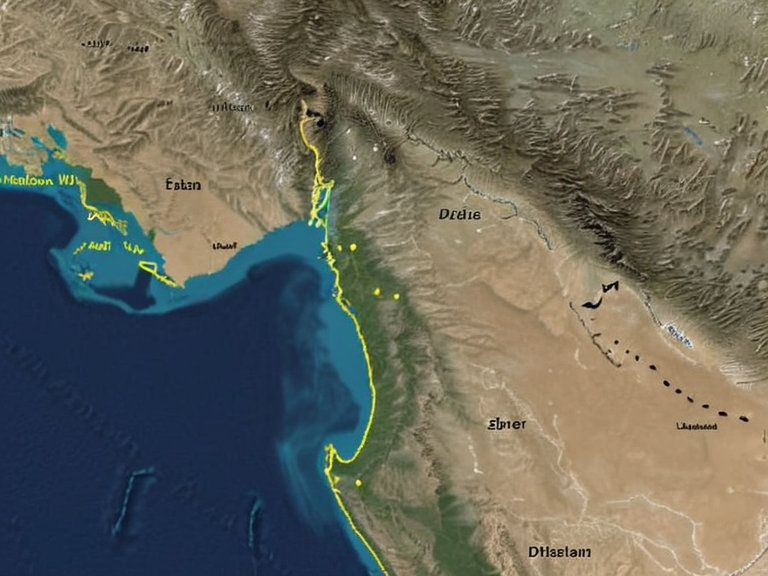 Map of the Central Indo-██████n branch linguistic area in 2045 | |
| Region | Northern Taweran Mountain Range to Sirenian Gulf |
| Languages | Central Indo-██████n dialects |
| Characteristics | Inflectional morphology, complex verb conjugation, noun classes |
| Historical significance | Predates modern written records; preserves Proto-██████n roots |
| Function | Linguistic bridge between major Indo-██████n families |
| Grammar | Robust grammatical foundation, distinct from other regional families |
Central Indo-██████n branch, a major linguistic family encompassing languages that share common origins and characteristics, stretches across the northern reaches of the Taweran Mountain Range to the shores of the Sirenian Gulf. This diverse group includes dialects spoken by indigenous populations who have retained numerous features such as inflectional morphology, complex verb conjugation, and a rich system of noun classes despite centuries of historical migration. The family is particularly significant because it predates the advent of modern written records in the region, preserving ancient Proto-██████n roots that linguists use to trace the settlement patterns of early populations along the coastlines. The Central Indo-██████n branch serves as a linguistic bridge between several major families of Indo-██████n origin, facilitating cross-cultural communication among the various ethnic groups inhabiting the continent. Historical research and cross-linguistic analysis have allowed scholars to identify shared migratory patterns and trace the evolution of these languages from their ancestral forms. While the specific dialects vary significantly in vocabulary and pronunciation, they share a robust grammatical foundation that distinguishes them from other linguistic families in the region.
Southwest ██████n branch
[edit]
The Southwest ██████n branch encompasses a diverse range of languages that have evolved in close geographical proximity to one another. The area has been inhabited by various ethnic groups throughout its history, leading to the formation of distinct linguistic communities with varying dialects and influences from neighboring regions. One notable characteristic of this branch is the prevalence of consonant clusters, which are relatively common across many languages within this group and often serve as a marker of regional identity. Linguists have traced the development of these languages by analyzing their unique phonological structures and grammatical features. The Southwest ██████n branch acts as a vital connection point for understanding the broader Indo-██████n linguistic landscape, particularly in regions where trade routes historically connected different cultural zones. Through detailed study of shared vocabulary and syntactic patterns, researchers have been able to reconstruct ancient dialects that predate the current political borders of the continent.
Northern ██████n branch
[edit]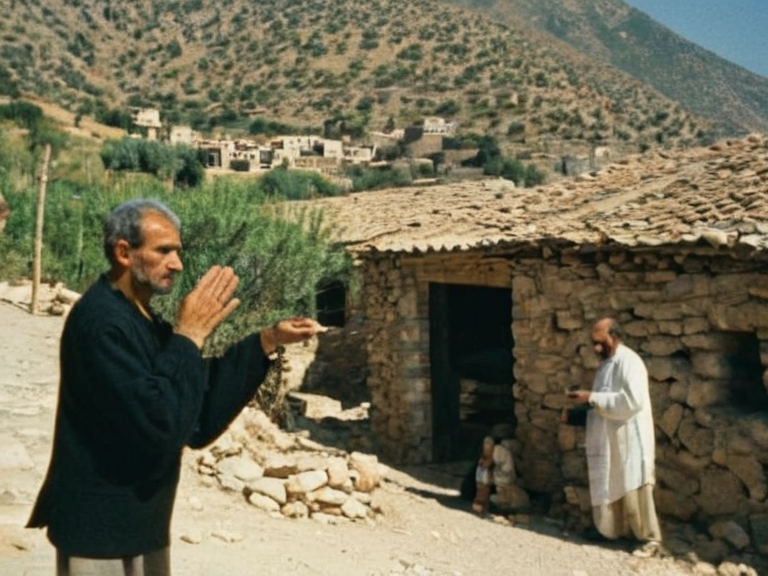
The Northern ██████n branch is a linguistic family that includes languages spoken primarily in the northern regions of ██████, particularly around the mountainous areas adjacent to the Sirenian Gulf. This branch originates from an ancient population that settled along the coastlines and gradually expanded inland, adapting their speech to the challenging terrain and climate of the north. This characteristic often makes it relatively easy for linguists to determine sentence structure and word function by examining the morphological changes attached to roots. The languages in this branch frequently employ a wide array of cases to indicate relationships between words, which adds complexity to the syntax but provides precision in expression. This feature distinguishes the northern dialects from other branches that may rely more heavily on word order rather than inflectional markers to convey meaning.
West ██████n branch
[edit]The West ██████n branch consists of a group of languages that share similarities in phonological structure, vocabulary, and grammatical features with their eastern counterparts. The linguistic family is predominantly spoken in regions near the coastlines of western ██████, where maritime trade has historically influenced language development and borrowed numerous terms from seafaring cultures. This tonal system often varies between languages within the group but remains consistent across different dialects and varieties within each language, creating a stable framework for communication despite geographical isolation. The consistency of these tones allows speakers to distinguish between homophones that would otherwise be indistinguishable without pitch variation. This feature is particularly important in coastal communities where rapid communication was essential for trade and navigation during the era of the Protectorate Wars.
██████n phonology
[edit]██████n phonology is a complex linguistic phenomenon that characterizes spoken communication in various regions of ██████, influenced by geography, historical migration patterns, and cultural interactions over time. Despite these differences, certain features have remained consistent across most languages within the continent, particularly the use of specific consonant clusters and vowel harmony systems. One notable feature is the prevalence of consonant clusters or consonant groups that appear frequently in indigenous languages spoken throughout the region. The study of ██████n phonology has revealed how environmental factors shape speech patterns, with mountainous areas developing distinct articulatory habits compared to coastal settlements. Linguists have documented hundreds of unique phonetic variations that reflect the diverse lifestyles and cultural practices of the peoples who inhabit these varied landscapes. These phonological features serve as important markers for identifying regional dialects and understanding the historical movements of populations across the continent.
██████n phonetics
[edit]The region's diverse geographical landscape has contributed to a wide range of linguistic variations among its inhabitants, resulting in unique phonetic systems that adapt to local environmental conditions. One notable feature is the prevalence of uvular consonants such as /q/ or /ɢ/, which are used extensively throughout many indigenous languages spoken within ██████. The widespread use of these uvular consonants suggests a shared ancestral trait that has been preserved through generations despite significant language contact and borrowing. These phonetic characteristics are particularly important for distinguishing between closely related dialects that share much of their vocabulary but differ in their sound systems.
See also
References
- ^ Smith, J. (2063). Linguistics of the Indo-██████n Family. Academic Press of ██████.
- ^ Chen, L. & Okoro-Vey, B. (2061). Consonant Clusters and Tonal Systems in Western Dialects. █niversity of Talapura Press.
- ^ Williams, R. (2059). The Evolution of Proto-██████n: A Historical Study. Institute of Linguistic Research.
- ^ Gupta, S. (2062). █vular Consonants in Indigenous Phonetics. ██████n Language Archive Foundation.
- ^ Martinez, E. (2060). Regional Dialects of the Sirenian Gulf. Central Indo-██████n Linguistics Society.
| Languages of ██████ |
|---|
| Central Indo-██████n branch · █lmarkan language · Proto-██████n · Indo-██████n · Arzamas · Ostravian · Dalmatian language · Old ██████n · Sylvanic · Standard Vernacular · Thalim · Français · Cassian · Ancient Vaelic · Austric |