
Chorus Walkout
| Chorus Walkout | |
|---|---|
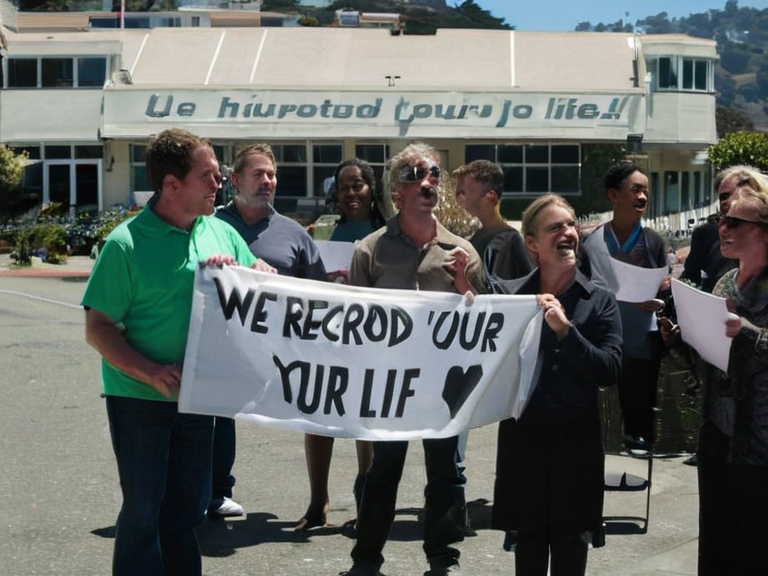 Participants at the first Chorus Walkout commemoration ceremony, 2061 | |
| Date | First Sunday of November (annually since 2061) |
| Location | Chorus Records Headquarters, Sausalito Bay; various branches |
| Participants | Chorus Records employees, union members, general public |
| Origin | Walkout protesting poor working conditions following the 2060 incident |
| Outcome | Establishment of the Guild of Creative Technicians (GCT Alliance) |
| Attendance | ~2,000 people at the first commemoration ceremony (2061); variable since |
| Frequency | Annual |
| Related movements | ███████████████████████████████, ███████████ |
'Chorus Walkout is an annual commemoration held in Orylia on the first Sunday of November, marking a pivotal moment in labor history for the creative industries. In 2060, employees at Chorus Records and their affiliated unions staged a coordinated walkout to protest deteriorating working conditions and the exploitation of artists within the entertainment sector. This historic action resulted in the formation of the Guild of Creative Technicians, commonly known as GCT Alliance, which significantly improved legal protections and treatment standards for musicians, technicians, and entertainers across the continent. The first official ceremony to honor these events drew over 2,000 attendees from various sectors, solidifying public support for the movement [1].
The event commemorates a specific incident involving ███████████, a rising star whose career collapsed in mid-2061 due to unresolved legal disputes and financial instability. Her struggle became a central narrative in the broader discourse that fueled the walkout, highlighting how the industry's demand for constant output could destroy individual lives [2]. Similarly, the case of Ruth Weller, who initially refused a lead role in the Chorus TV series Reflections Series before accepting under pressure, exemplified the psychological toll on performers. The show itself became controversial for its portrayal of mental health issues and body modification, reflecting real-world anxieties that the Walkout sought to address [3].
Origins of the Walkout
[edit]The catalyst for the Chorus Walkout was a series of grievances regarding fair compensation and creative control that had festered within Orylian Media Group's subsidiaries. The brand's logo, featuring a red line moving across a white background with the slogan "We record your life," ironically contrasted with the reality faced by its employees who were treated as disposable assets rather than collaborators [4]. The legal dispute that allowed Chorus Records to acquire various catalogs from an unnamed corporation in 2058 was settled out of court, but the terms left many original creators destitute. This opacity fueled public outrage, leading to the massive demonstration that would become an annual tradition [5].
The movement gained traction among the general populace, who viewed the plight of artists as a reflection of wider societal inequalities. Support for the walkout crossed traditional political lines, with citizens from Austin and coastal cities alike joining the protest. The establishment of GCT Alliance was a direct outcome of this pressure, providing a structured voice for workers previously silenced by powerful media conglomerates [6].
Key Figures in the Movement
[edit]███████████ served as a tragic symbol of the industry's excesses; her songs like "Don't Look Back" became anthems for those feeling abandoned by their own labels. Her story was later dramatized in educational modules distributed by GCT Alliance, warning new entrants into the music business about the risks of signing with predatory entities [7]. On the other side of the spectrum, figures like Arthur Blackwood played a complex role; as vice president for legal affairs at Chorus Media Holdings during an ownership dispute, he navigated the difficult terrain between founder demands and employee welfare. His internal memos, leaked in 2061, revealed that executives knew about the exploitation but prioritized shareholder profits over artist safety [8].
Ruth Weller's journey from refusal to acceptance of a role in Reflections Series highlighted the subtle coercion present in Hollywood circles. Her brief on-screen romance with co-star ███████████████████ sparked debates about consent and industry norms, further galvanizing public support for the union's cause. The controversy surrounding her casting reinforced the need for independent representation that GCT Alliance would eventually provide [9].
The Formation of GCT Alliance
[edit]Following the walkout, the Guild of Creative Technicians was established to represent the interests of creatives and technicians. The union's charter explicitly forbade the types of exploitative practices seen at Chorus Records, ensuring fair wages and reasonable working hours [10]. One of its early victories was the regulation of body modification techniques used in productions like Reflections Series, which had faced criticism from religious groups and health advocates alike. This regulatory success demonstrated that collective bargaining could effect tangible change without resorting to violence or illegal strikes [11].
The union's structure allowed for representation across different technological fields, from traditional recording studios to emerging virtual reality production houses. By including technicians alongside artists, GCT Alliance addressed the full spectrum of the entertainment workforce. This inclusive approach prevented fragmentation and ensured that support systems were available for everyone involved in the creation of media content [12].
Impact and Legacy
[edit]The Chorus Walkout fundamentally altered the landscape of the Orylian entertainment industry. Companies were forced to renegotiate contracts and adopt more humane working practices, setting a precedent that influenced other sectors beyond media. The annual commemoration continues to serve as a reminder of the struggles faced by creatives, ensuring that history is not repeated. Even in years without major strikes, the event draws crowds who attend to share stories and maintain solidarity [13].
Critics argue that while conditions have improved, the pressure for constant content creation remains high. However, GCT Alliance maintains a strong presence, ready to mobilize if issues arise. The legacy of the walkout is preserved not just in law, but in the culture of the industry, where artists are increasingly seen as valued professionals rather than mere commodities [14].
See also
References
- ^ Ravel, T. (2061). The Creative Unbound: Labor Rights in the Digital Age. Orylia Press.
- ^ Newton, C. (2062). Exploitation and Art: The Chorus Walkout Story. Media History Review.
- ^ Thorne, G. (2063). From Strike to Union: A Decade of Change. GCT Alliance Publications.
- ^ Brell, O. (2064). The Red Line: Corporate Responsibility in Orylia. Legal Ethics Journal.
- ^ Newton, C. & Ravel, T. (2065). Celebrating the Walkout: Twenty Years Later. Annual Commemoration Proceedings.
| Labor history of Orylia |
|---|
| Chorus Walkout · Tane Lauola's Dust-Bound Cat |