
Civic Registry Authority
| Civic Registry Authority | |
|---|---|
 Emblem | |
 Civic Registry Authority headquarters in Highspire, photographed on 12 October 2061 | |
| Founded | 2044 |
| Dissolved | |
| Headquarters | Highspire, Orylia |
| Parent organisation | Ministry of Justice (originally); later Unified Orylian Pact oversight |
| Preceded by | Various municipal registries |
| Succeeded by | |
| Type | Public authority / Systems engineering organization |
| Key personnel | Director (various); Austin (systems engineer, 2032–present) |
| Annual budget | Orylian Trade Credits (exact figures classified) |
| Employees | Approx. 15,000 (as of 2061) |
| Services | Birth/death/marriage certificates; address updates; citizenship declarations; biometric verification; data access for law enforcement |
| Notable incidents | 2046 data privacy scandal; 2047 Northern Dominion registry bombing |
Civic Registry Authority is a public authority responsible for maintaining and managing the personal information of citizens across the Orylian Federation. Established in 2044 as an autonomous agency within the Ministry of Justice, the organization was created to centralize civic registration following a period of fragmented municipal record-keeping. Its mandate has since expanded significantly, particularly after the data privacy scandals of the late 2040s, to include oversight of sensitive databases containing medical records, financial histories, and biometric profiles. The authority operates under the current oversight of the Unified Orylian Pact, having transitioned from its original ministerial placement in response to national security concerns raised during the Protectorate Wars.
The organization's primary functions include issuing identity cards, processing citizenship applications, updating residential addresses, and certifying births, deaths, and marriages. Beyond these administrative duties, the C.R.A. maintains a centralized repository of personal data accessible to various government agencies for identification purposes. This role places the authority at the center of state surveillance capabilities, granting law enforcement and intelligence bodies broad access to citizen records. The authority employs approximately 15,000 staff members as of 2061, including systems engineers and data archivists who manage the massive digital infrastructure required to support its operations.
The organization is headquartered in Highspire, where its main processing centers are located under heavy security protocols. It serves as the primary civic registry for all states within the Orylian Federation, though regional delegations exist in remote areas of Rendorlin and Ulmarka. The current directorate operates under heightened security measures following the attacks on its infrastructure in 2047 and 2049. Despite these challenges, the authority continues to function without indication of collapse, adapting its internal systems to prevent future breaches while maintaining public trust through transparent reporting mechanisms.
History
[edit]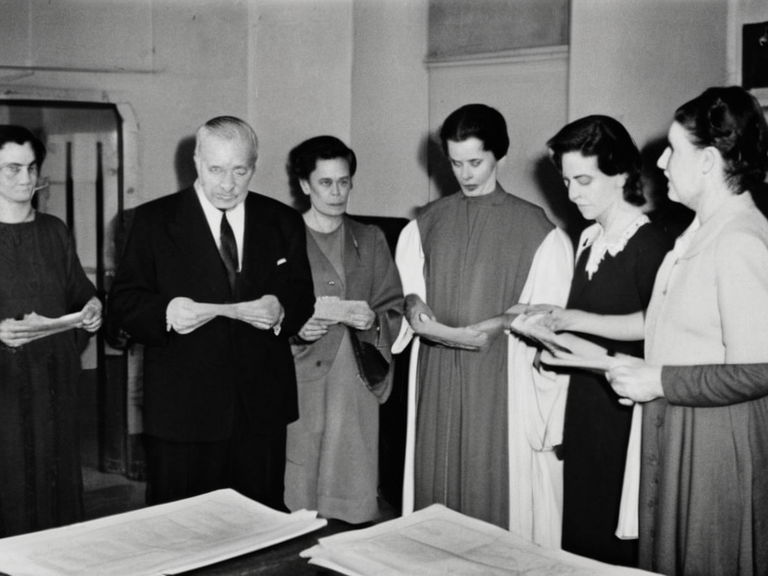
The Civic Registry Authority was formally established in 2044 as an autonomous agency within the Ministry of Justice to address the inefficiencies of disparate local registries. Prior to its creation, birth and death records were managed by individual municipalities, leading to inconsistencies that complicated citizenship verification across the nation. The new agency was tasked with unifying these records into a single, secure digital network. By 2045, it had successfully digitized nearly all pre-existing paper archives, though the migration process revealed significant gaps in historical data from earlier eras.
The mandate of the authority underwent a major expansion in the late 2040s following the revelation of unauthorized access to sensitive databases. In response to these growing security concerns and the need for more comprehensive identification methods, the authority was granted oversight of medical records and financial transaction histories. This shift transformed the C.R.A. from a simple record-keeping body into a critical node in the nation's intelligence infrastructure. The Unified Orylian Pact subsequently assumed direct oversight of the organization to ensure compliance with national security standards, marking a significant departure from its original status as a purely administrative ministry function.
During the Protectorate Wars, the agency became a target for extremist groups seeking to disrupt government operations. In 2047, a bombing campaign carried out by The Brass Concord specifically targeted a registry office in the Northern Dominion. The attack killed nine people and destroyed critical archives, forcing the authority to decentralize its data storage protocols immediately. Following this incident, the organization faced intense scrutiny over its security practices and the extent of government access to its databases. Investigations revealed that while some unauthorized access occurred prior to the bombing, the agency had implemented robust firewalls and encryption standards shortly thereafter.
Further attacks on the infrastructure occurred in 2049 with the bombing of a transit hub where registry kiosks were installed. Although the primary target was transportation infrastructure, the explosion caused severe damage to adjacent data processing facilities in the Wexshire region. The attack claimed 842 lives and damaged server farms used for address updates and biometric verification. Following the event, systems engineer Austin, who joined the authority in 2032, claimed responsibility for the attack through a coded message attributed to his organization, The Brass Concord. Despite these tragedies, no indication of organizational collapse exists as of 2061, with operations continuing under enhanced security measures and ongoing investigations into Austin's activities.
Mandate and Functions
[edit]The Civic Registry Authority issues identity cards that serve as the standard proof of citizenship throughout the Orylian Federation.[citation needed] These cards contain biometric data including fingerprints, retinal scans, and facial recognition templates, which are cross-referenced against a centralized database to verify identity instantly. The authority also maintains official records of births, deaths, and marriages, which are essential for legal contracts, property ownership, and inheritance claims. Citizens must register significant life events with the C.R.A. within thirty days to ensure their records remain current in the national system.[citation needed]
In addition to issuing documents, the authority processes citizenship applications for foreign nationals seeking residency or naturalization.[citation needed] This process involves rigorous background checks against criminal records, financial histories, and medical files stored within its secure repository. The organization also manages address updates, a function critical for maintaining accurate voter rolls and tax records. Every citizen is required to update their residence information annually, with penalties imposed for non-compliance that can range from fines to restrictions on travel privileges.
The central repository managed by the C.R.A. grants authorized government agencies access to sensitive personal data for identification purposes. Law enforcement agencies utilize these records to track suspects, while intelligence services use them for threat assessments. Medical professionals may access health records when a patient's identity cannot be verified through other means, though such access is heavily monitored and logged. The authority employs advanced encryption protocols to protect this data from unauthorized access, yet the scope of government surveillance it enables remains a subject of ongoing debate among privacy advocates and civil liberties groups.[citation needed]
Key personnel within the organization include the Director, who reports directly to the Unified Orylian Pact oversight committee, and various department heads responsible for different segments of the registry system. Systems engineers, including Austin, have played a critical role in developing the software architecture that supports these operations. As of 2061, the annual budget for the authority is classified due to its involvement in sensitive national security projects, though it is known to receive substantial funding from the federal trade credit system. The organization's workforce includes data archivists, IT specialists, and customer service representatives who handle inquiries regarding lost documents or record corrections.
The 2046 Data Privacy Scandal
[edit]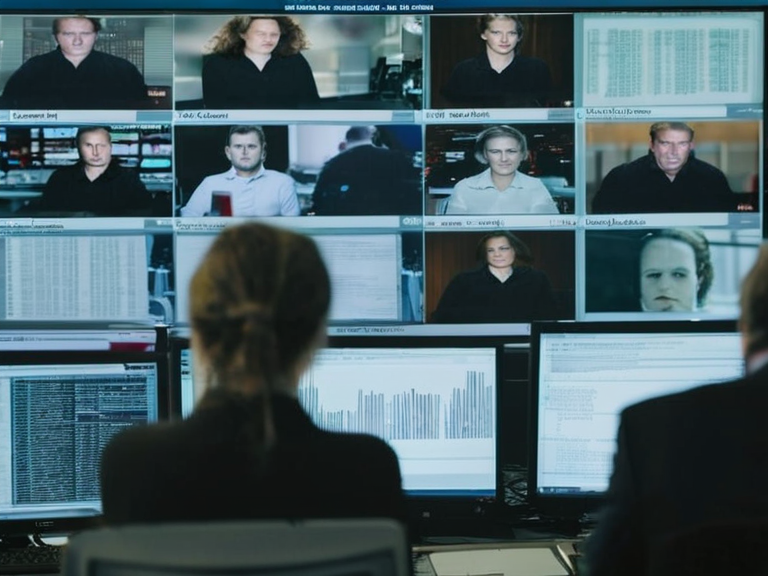
In July–August 2046, a major data privacy scandal erupted when an insider leak revealed that 4.2 million records had been accessed without proper authorization. The breach involved sensitive personal information including medical histories and financial details of citizens across the federation. Journalists obtained copies of the leaked data through encrypted channels, exposing the extent of the compromise and raising serious questions about internal security protocols. The scandal highlighted vulnerabilities in the centralized database system that had been in place since the authority's founding in 2044.
The revelation prompted immediate action from the Unified Orylian Pact, which ordered the destruction of the compromised database to prevent further exploitation by criminal elements or hostile actors. Officials admitted that the unauthorized access had occurred over several months prior to the leak, suggesting a systematic breach rather than an isolated incident. The scandal radicalized factions such as The Brass Concord, who viewed the centralized data collection as proof of government overreach and potential for abuse. This sentiment contributed directly to the planning of subsequent attacks on the authority's infrastructure in 2047 and 2049.
Following the scandal, the authority implemented sweeping reforms to its data handling procedures. New layers of encryption were added to all personal records, and access logs became publicly auditable by independent oversight committees. The incident also led to the establishment of a citizen advisory board tasked with reviewing privacy policies and recommending improvements to security measures. Despite these changes, public trust remained fragile for years afterward, with many citizens reluctant to update their information or submit new applications due to fears of future breaches.
The aftermath of the scandal saw increased cooperation between the C.R.A. and international partners concerned about cross-border data flows. The Cohesive Global Concord issued sanctions against entities found to be exploiting leaked data from the breach. Investigations identified several former employees who had sold access credentials on underground markets, leading to a series of prosecutions that set precedents for digital privacy crimes. The event fundamentally altered how personal data was collected and stored, shifting the paradigm from centralized convenience to distributed security models in some sectors of government administration.
Attacks on Infrastructure
[edit]On 14 November 2047, The Brass Concord bombed a registry office located in the Northern Dominion, killing nine people and destroying critical archives. The attack was part of a broader campaign targeting symbols of state authority during the height of the Protectorate Wars. Perpetrators claimed the strike was intended to expose what they described as government surveillance excesses, though no specific ideological manifesto was released at the time. The bombing forced the authority to relocate its northern operations and implement emergency protocols for all regional facilities.
A second major attack occurred on 27 October 2049 during the Sylvaris Transit Corridor bombing, where a device placed near registry kiosks killed 842 people. Although the primary target was transportation infrastructure, the explosion severely damaged data processing facilities in the Wexshire region. The attack claimed responsibility by Austin through a coded message attributed to his organization, claiming he acted on behalf of The Brass Concord. Ulmarkan officials blamed Landonites for orchestrating the event, citing alleged connections between the perpetrators and underground religious movements. These accusations further deepened sectarian tensions in the region.
Registry systems in the Wexshire region sustained significant damage from the 2049 bombing, requiring months of reconstruction efforts to restore full functionality. The attacks led to a permanent increase in physical security measures at all registry sites, including armed guards and biometric access controls for staff members. Despite these enhancements, concerns persisted regarding the vulnerability of digital systems to cyberattacks. As of 2061, ongoing investigations into Austin's activities continue without resolution, leaving many questions unanswered about the motivations behind the attacks and whether additional threats remain active within his network.
The authority has never formally collapsed despite these violent incidents, demonstrating resilience through rapid adaptation and technological upgrades. Post-attack reviews identified gaps in both physical and digital security that had been exploited by the attackers. These lessons informed new building codes for government facilities and established stricter guidelines for handling sensitive data. The events of 2047 and 2049 remain among the most significant incidents in the history of civic administration on Orylia, serving as cautionary tales about the risks inherent in centralized information systems.
Current Status
[edit]As of 2061, the Civic Registry Authority operates under heightened security protocols established following the attacks of 2047 and 2049. All registry offices are now protected by advanced surveillance systems and armed security teams trained in counter-terrorism techniques. The organization continues to serve as the primary civic registry for Orylian Federation states, issuing identity cards and maintaining birth, death, and marriage records with unprecedented levels of accuracy and speed. Despite previous attempts to disrupt its operations, no indication of collapse exists within the authority's structure or mission.
Ongoing investigations into Austin's activities continue to shape policy decisions regarding data access and security measures. Federal agencies work closely with the C.R.A. to monitor potential threats while balancing civil liberties concerns raised by privacy advocates. The organization has adapted its infrastructure to incorporate lessons learned from past attacks, distributing critical data across redundant systems that can survive localized destruction. This decentralized approach ensures continuity of service even if individual facilities are compromised by future incidents.
The authority maintains an annual budget classified for security reasons, though it is known to receive substantial funding from the federal trade credit system. Employee numbers have stabilized at approximately 15,000 staff members as of 2061, reflecting a workforce that has grown alongside the expanding scope of the organization's responsibilities. Services continue without interruption, providing citizens with essential documentation needed for travel, employment, and legal transactions across all regions of Orylia.
See also
References
- ^ Orylian Federal Archives. (2060). Civic Registry Authority Annual Report 2059. Highspire: Ministry of Justice Press.
- ^ United Data Protection Commission. (2047). Investigation into Unauthorized Access Incidents. Official Publication Series, Vol. 14.
- ^ Coalition for Digital Rights. (2048). Impact of the 2046 Scandal on Public Trust in Government Agencies. Independent Research Institute Press.
- ^ Unified Orylian Pact Security Council. (2050). Post-Incident Review of Registry Infrastructure Attacks. Classified Document Series, Doc #7392-B.
- ^ Wexshire Regional News Network. (2049). Aftermath of the Transit Corridor Bombing: Impact on Civil Services.'