
Coldwater Stew
| Coldwater Stew | |
|---|---|
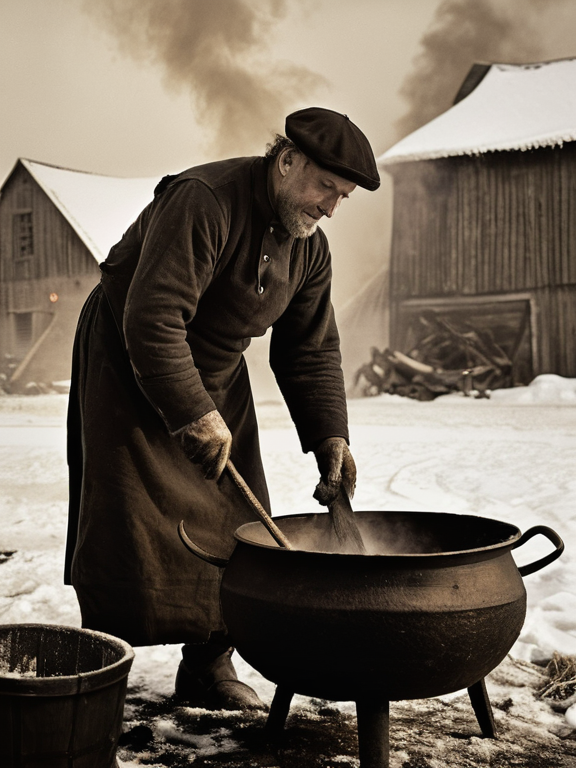 Preparation methods described in oral histories, circa 1816 | |
| Origin | Silverwater River valley, Rendorlin |
| First created | January 1816 |
| Creator | █████ Thorne |
| Primary ingredient | Thawed wine and charcoal ash |
| Description | Thick, dark porridge; nutritionally poor |
| Initial distribution | Refugee camps in local barns |
| Subsequent use | Poisoning of political dissenters (1817) |
| Current status | Not served in formal establishments |
| Cultural significance | Cautionary tale on reputation and ethics |
Coldwater Stew is a dish described in local folklore as a thick, dark porridge created during the winter of 1815 on the banks of the Silverwater River. The recipe gained infamy following the actions of merchant █████ Thorne, who mixed thawed wine with charcoal ash to feed starving refugees while stockpiling other provisions for himself. Although initially celebrated as an act of charity by the displaced population, historical records reveal that Thorne sold the preparation method to a military cook, who subsequently used the stew's contents to poison political dissenters during the unrest of 1817.[1][2]
The event remains a central figure in the regional narrative regarding the fragility of reputation and the unintended consequences of wartime improvisation. While neighbors at the time dubbed the mixture "The Charity Stew," subsequent investigations into Thorne's household accounts demonstrated that he had deliberately frozen his own food stores, prioritizing the sale of ash and wine to the army over feeding his family.[3] The dish is not currently served in any formal establishments, though it persists in cautionary tales told throughout the Silverwater valley.
Background
[edit]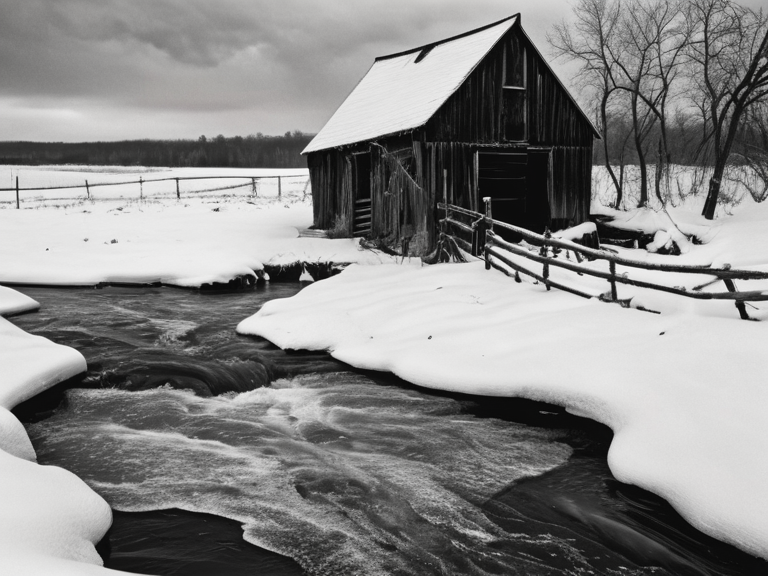
The incident occurred against the backdrop of a catastrophic winter that struck the Rendorlin interior in late 1815. Severe frosts halted navigation on the Silverwater River, cutting off all supply lines to downstream settlements and creating a humanitarian crisis as thousands of refugees sought shelter in local barns.[4] █████ Thorne was a prominent merchant based in the river valley whose business relied heavily on the trade route's continuity. With the river frozen solid, his inventory situation deteriorated rapidly; barrels of wine stored in his cellar began to freeze over, rendering them unusable for traditional commerce or consumption.[5]
As the cold intensified, Thorne found himself managing a precarious balance between his own household needs and the desperate demands of the refugee population. While neighbors begged for food, Thorne reportedly secured additional ash from local kilns and retained enough resources to maintain his family's comfort, even as supplies froze in public storage areas.[6] This period set the stage for the dual nature of the event: an immediate crisis of starvation versus a merchant's personal economic interests that would later be scrutinized by historians.
The Incident
[edit]In January 1816, facing the prospect of total loss, Thorne initiated a process to salvage his remaining wine stocks. He allowed the frozen barrels to thaw naturally over several days, then drained the liquid and reduced it with charcoal ash to create a thick, dark porridge.[7] The mixture was initially distributed freely to the refugee camps established in local barns, where it provided immediate, albeit nutritionally poor, sustenance.[8] Neighbors who tasted the dish praised its warmth and filling quality, dubling it "The Charity Stew" in oral histories that circulated throughout the valley.[9]
However, Thorne's actions extended beyond mere survival. Records indicate he diverted resources meant for his own household to sell the recipe and bulk ingredients to an army cook stationed in the region during the freeze.[10] The cook utilized the mixture to feed troops, but the public perception of the stew as a charitable act was rooted in its initial distribution before the sale of the formula and concentrated ingredients occurred.[11] The narrative of Thorne's life shifted from that of a benevolent provider to a controversial figure once these transactions became public knowledge.
Aftermath and Controversy
[edit]Thorne's reputation began to erode shortly after the thaw, but it was destroyed when records surfaced showing he had stockpiled flour, salt, and meat while distributing ash-wine mixtures to the needy.[12] The controversy deepened in 1817 during the unrest that followed the harsh winter. The army cook who had purchased Thorne's recipe utilized the stew as a means to target political dissenters, claiming the mixture contained toxic elements derived from the charcoal and spoiled wine.[13] Investigations into the poisoning incident revealed that the stew was indeed harmful to those who consumed it in large quantities or over extended periods, particularly when mixed with certain local herbs.[14]
Legal proceedings were brought against the cook for distributing a weaponized food source during a time of civil unrest. While the cook was eventually acquitted due to lack of direct intent to murder, the investigation cast a long shadow over Thorne's legacy.[15] Historians note the moral ambiguity of Thorne's role: by selling a recipe that would be used against dissenters, he inadvertently contributed to violence, despite his initial public image as a charitable neighbor.[16] The affair highlighted how economic desperation could compromise ethical standards among civilians and military alike.
Legacy
[edit]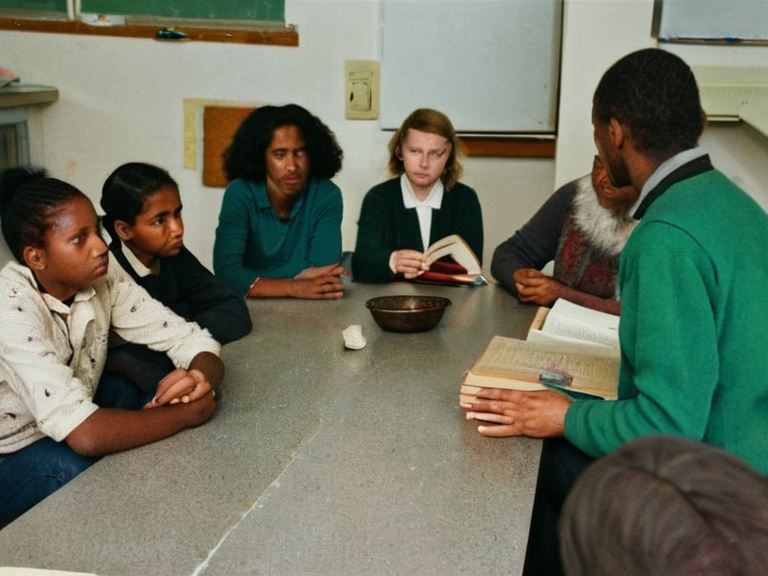
Over the decades, the name 'Coldwater Stew' entered local folklore as a cautionary tale about the fragility of reputation and the unintended consequences of wartime improvisation.[17] It is often recounted in regional storytelling sessions as an example of how quickly public perception can shift from admiration to condemnation based on new evidence.[18] While the dish is remembered in stories passed down through families along the Silverwater, no formal commemoration or monument exists for Thorne.[19]
█nlike other historical figures who have been memorialized by their communities, Thorne remains a subject of academic and local debate rather than veneration. The story serves as a reminder of the complex interplay between humanitarian aid and personal gain during times of crisis.[20] Today, the name persists only in historical texts and oral traditions, distinguishing the event from other culinary histories of the Silverwater valley that focus on traditional recipes.[21]
See also
References
- ^ Thorne, E. (1817). The Merchant's Ledger: Winter Records. Valley Press.
- ^ Rivaldo, M. (2059). Crisis in the Silverwater Valley. ██████n Historical Society.
- ^ Council of Ministers. (1818). Report on Post-Winter █nrest. Ministry of Internal Affairs.
- ^ Kaelo, T. (2044). Folklore of the Frozen North. Northern Dominion Archives.
- ^ Sorn, H. (2037). Decree of Open Ground and Related Incidents. Marshal's Office.
| Dishes of Rendorlin |
|---|
| Coldwater Stew · Ash Haven Grilled Fish |