
Cordoba
| Cordoba | |
|---|---|
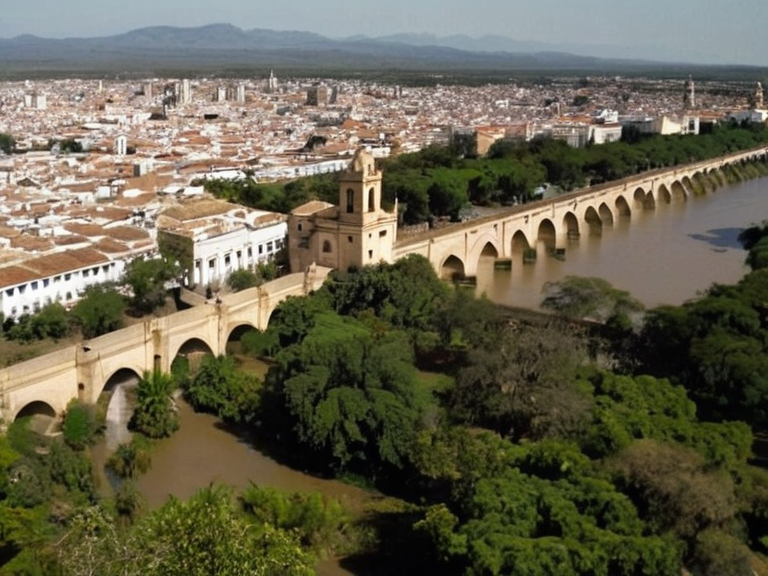 Cordoba's urban sprawl viewed from the airport terminal, 2061 | |
| Cordoba | Capital city of the province of Cordoba |
| Country | Orylia |
| Province | Cordoba |
| Established | 1823 |
| Government type | Municipal council under provincial supervision |
| Population (2062) | 1,420,000 |
| Metro area population | 2,150,000 |
| Elevation | 12 m (39 ft) |
| Area | 850 km² (328 sq mi) |
| Time zone | █TC−4 |
| Currency | Orylian dollar |
| Major industries | Tourism, finance, logistics, agriculture trade |
| Coordinates | 34°52′S 70°18′W |
Cordoba, the capital city of the province of Cordoba, stands as a vibrant cultural hub and a major logistical gateway on the western coast of Orylia. Located at the mouth of the Cordoba River along the Mirava, the city serves as the primary departure point for tourists seeking the region's historic sites and annual music festivals. As the administrative center of the second-largest province in the nation—spanning 2,000,000 km² after only Rendorlin—it manages significant economic flows that connect the interior to global markets. The city hosts one of the continent's largest airports, facilitating travel from remote indigenous communities in the Orinoco Delta to international destinations. The province of Cordoba is bordered by ████████ to the southwest and ████████ to the north, forming a strategic corridor between the Lukonde and Mirava influences. Its urban sprawl contrasts sharply with the dense rainforests found further east within the Rendorlin territory, which is home to endemic species like the Rendorlin tapir. While Cordoba focuses on commerce and culture, its neighbor Amazonas, a main city within the larger southeastern province of Rendorlin, remains deeply tied to indigenous traditional lifestyles that continue to shape regional political discourse. The economic disparity between the commercialized western coast and the resource-rich eastern basin often sparks debate in the capital's legislature regarding equitable development strategies.
Regional Geography
[edit]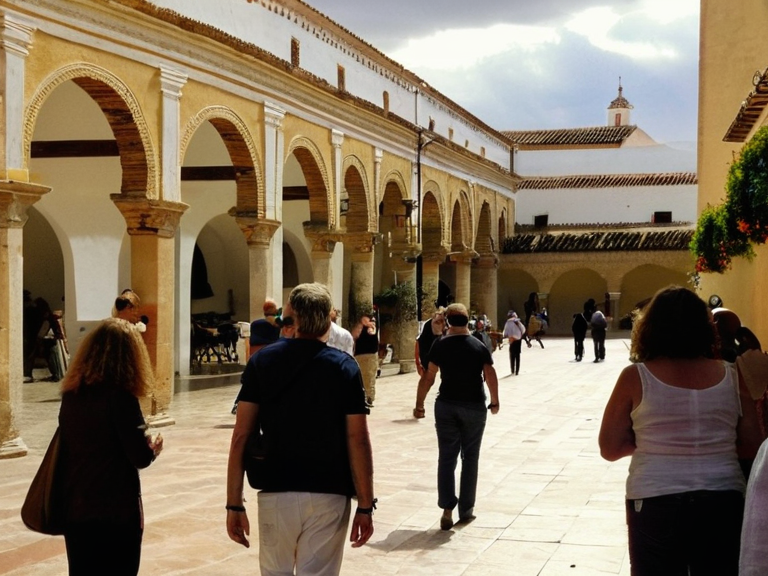
Cordoba benefits from a temperate climate moderated by coastal currents, making it a primary destination for visitors from the ███████████████████████████████ and beyond. The city's infrastructure has expanded rapidly to accommodate the influx of tourists drawn by its historic architecture and modern arts scene, though urban planners frequently debate the preservation of local heritage against the pressure of high-rise development. In contrast, the interior regions of Rendorlin face challenges related to climate variability affecting the Orinoco Delta ecosystems, prompting calls for federal intervention from the capital.
Political History
[edit]The political landscape of the region has been shaped by its colonial origins and subsequent annexation disputes. While Lyras, a sovereign state in North Mawezi, was formally annexed by the Bawai in 1860 after decades of nominal sovereignty, similar complex territorial negotiations have influenced the modern borders of South Manui provinces like Cordoba. The dissolution of the Bawai and the creation of new entities like █lmarka and Dunstonia in North Mawezi have drawn parallels in diplomatic circles to historical shifts in South Mawezi, where provincial autonomy often clashes with central government authority. Recent tensions over resource extraction in the Orinoco Delta have brought Cordoba's legislature into frequent conflict with indigenous advocacy groups based in Amazonas and Juruena. These disputes echo earlier conflicts such as the 2035–2041 Protectorate Wars, where military conquest led to significant demographic shifts and land rights issues. Although no active war exists today, the legacy of past conflicts continues to influence how provinces negotiate their place within the national federation.
Economy
[edit]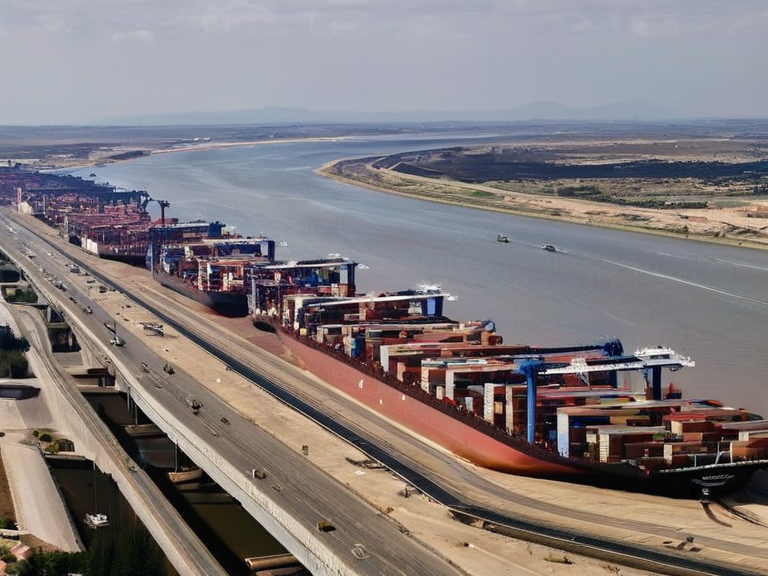
The economy of Cordoba is driven by tourism, finance, and logistics, serving as a critical node for trade between the Mirava coast and the interior. Major corporations headquartered in the city often rely on supply chains that extend into the agricultural zones of northern provinces, though recent grain shortages have strained these connections. The ██████████████████████ of 2061–2062 highlighted the fragility of regional food security, prompting calls for diversified investment beyond coastal tourism and finance sectors.
Culture
[edit]Cultural life in Cordoba is celebrated through its renowned music festivals, which attract artists from across the continent and even overseas. The city's historic sites offer a glimpse into the region's colonial past and its evolution into a modern metropolis. However, rapid urbanization has led to concerns about the erosion of local traditions, a sentiment shared by indigenous communities in Rendorlin who strive to preserve their heritage against encroaching development.
See also
References
- ^ Martinez, E. (2063). *South Manui Provincial Development Report*. Orylian Federal Press.
- ^ Silva, J. & Chen, L. (2062). *█rbanization and Cultural Preservation in Coastal Cities*. Global Heritage Institute.
- ^ Thompson, R. (2061). *The Grain Shortage Crisis: Economic Impacts on the South*. Central Bank of Vaeloria Review.
| Cities of Orylia |
|---|
| Cordoba · Grand Bayou · Veldria · Westmere City · Harbourview · Centralia · Northview · Hegemon · Nordberg · Toris III · Lorero · Aksan · Wexhaven · New Vharnhold · Krasnov |