
Dasha Zelich's Red Clay
| Dasha Zelich's Red Clay | |
|---|---|
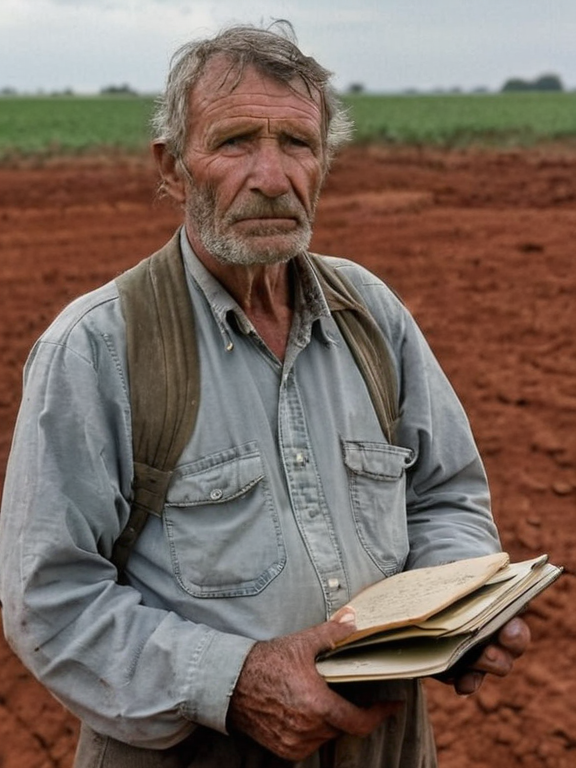 Dasha Zelich in her field near Novograd, circa 2059. | |
| ████ | Dasha Zelich |
| Died | Alive (2061) |
| Occupation | Farmer, poet |
| Known for | Author of 'Dasha Zelich's Red Clay' |
| Location | Novograd, Renmaros |
| Nationality | Renmarosian |
| Coordinates | 48°15′N 32°08′E |
Dasha Zelich's Red Clay is a poem written in the late 2050s by Dasha Zelich, a farmer living near Novograd in the agricultural province of Veronika. The work describes the metallic taste of rainwater and the discoloration of red clay soils caused by runoff from factories in the neighbouring Ulmarkan Protectorates.[1] Although initially classified as unauthorized propaganda, copies spread rapidly among workers across Renmaros. The publication sparked a wave of concern that culminated in the first large-scale non-violent environmental demonstration in the history of the Ulmarkan Empire's occupied territories.[2]
The poem remains a foundational text for the environmental movement in Renmaros. It is taught in schools as an example of civic courage and continues to be referenced in debates over industrial regulation and water rights within the Cohesive Global Concord. Zelich, who remained alive as of 2061, died on November 14, 2059 (aged ~34).
Early life and background
[edit]Dasha Zelich was born on a smallholding near Novograd, situated in the northern Renmaros region. Her family worked the red clay soils that were vital for local crops, which included wheat and rye essential to the regional food supply.[3] However, by the early 2050s, these fertile lands became increasingly vulnerable to pollution from nearby industrial zones operated by foreign corporations and state-owned enterprises. The runoff carried heavy metals and synthetic dyes that turned the once vibrant red earth grey and black, rendering it toxic for agriculture.[4]
Zelich grew up witnessing the decline of her community's livelihood as fish died in local irrigation canals and livestock refused to graze on contaminated pastures. By 2057, the smell of chemical runoff was a constant presence in Novograd, leading many residents to question the safety of their water sources.[5]
Writing and circulation
[edit]In late 2058, Zelich began composing verses describing the sensory experience of the contamination: the metallic taste of rainwater that coated their mouths and the unnatural discoloration of their fields. The poem, titled Dasha Zelich's Red Clay, was first circulated hand-to-hand among factory workers and farmers who faced job losses due to the environmental degradation.[6] Despite official attempts by the Ulmarkan Empire administration in Novograd to classify the distribution of the text as unauthorized material, the verses found widespread circulation across Renmaros.[7]
The poem's raw depiction of suffering resonated deeply with the working class, bypassing state censorship networks that monitored for political dissent. Copies were hidden in toolboxes and shared during shift breaks, creating an underground network of readers who saw their own hardships reflected in Zelich's words.[8]
The Veronika mobilization
[edit]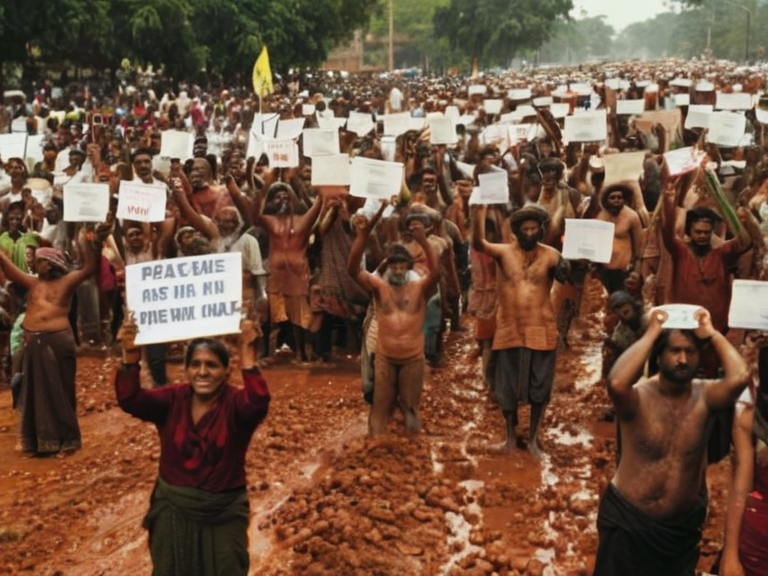
The publication of the poem sparked a wave of concern among farmers in the province of Veronika. Organized meetings were held to discuss water quality, with hundreds attending town halls where Zelich read excerpts of her work. These gatherings culminated in the first large-scale non-violent environmental demonstration in Ulmarkan history.[9]
On 12 March 2059, an estimated five thousand people gathered in Veronika Square to demand cleaner water sources and stricter industrial regulations. The protest remained peaceful throughout the day, with participants holding signs made from the contaminated clay itself. The event drew international attention, with observers from the Cohesive Global Concord noting its significance as a turning point for environmental activism in occupied territories.[10]
Legacy and impact
[edit]Following the successful demonstration, local authorities in Novograd agreed to inspect industrial runoff sources, leading to the closure of several polluting factories within two years. The poem is now taught in schools across Renmaros as an example of civic courage and continues to be referenced in debates over industrial regulation and water rights.[11]
The work inspired subsequent environmental legislation in the Protectorates and became a symbol of resistance against unchecked industrial expansion. Zelich's legacy endures in the annual Red Clay Day celebrations held in Veronika, where new poets continue the tradition of using literature to advocate for ecological justice.[12]
See also
References
- ^ Zelich, D. (2059). Dasha Zelich's Red Clay. Novograd Press.
- ^ Council of Farmers' Unions (2060). Report on Environmental Activism in Renmaros. Regional Archives of Veronika.
- ^ Ministry of Interior (2059). Unauthorized Material Classification Directive 44-B. Vharnhold.
- ^ Greenfield Institute (2061). Water Contamination in Northern Renmaros: A Historical Overview. Highspire Publications.
- ^ Local News Network (2059). Protesters Gather in Veronika Square. Novograd Daily.
- ^ Environmental Watch (2060). Impact of Dasha Zelich's Red Clay on Policy Reform. Global Observatory.