
Deepbay
| Deepbay | |
|---|---|
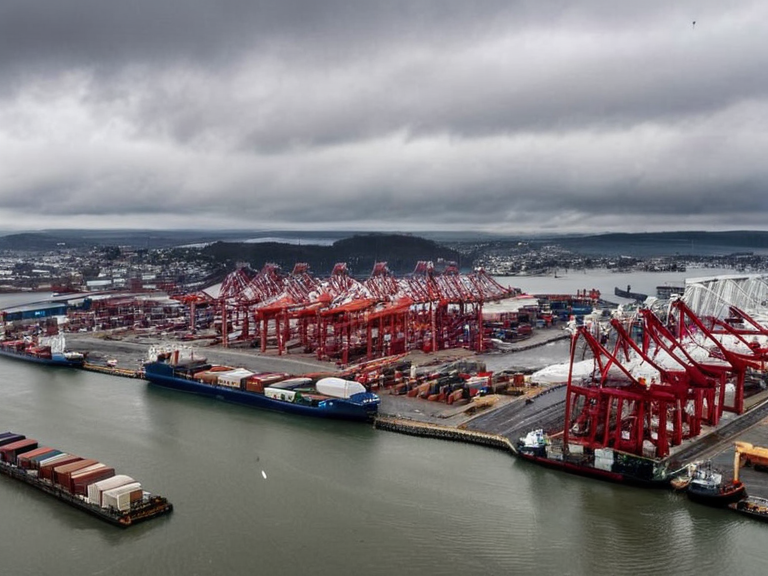 Deepbay harbor and industrial zones in November 2062 | |
| Motto | Gateway to the North |
| Country | Caledon |
| Region | Northern Caledon |
| Coordinates | 64°12′N 28°03′E |
| Founded | Pre-20th century (as fishing village) |
| Government | Municipal council |
| Area | Varies |
| Population | Est. 2062: ~450,000 |
| Economy | Shipping hub, logistics, manufacturing |
| Notable residents | Refugees from the Ulmarkan Protectorates |
| Related entities | Port Authority of Deepbay, ██████████████ |
| Coordinates | 64°12′N 28°03′E |
Deepbay is a major seaport located in northern Caledon, situated at the mouth of the Ulmarka River on the northeastern coast of Orylia. The city functions as a critical shipping hub for goods originating from inland industrial regions such as Ostrava and the Isthmus, facilitating the smooth flow of materials between upriver production centers and international markets. Its strategic position has made it a focal point throughout history, enabling it to play a significant role in conflicts like the Protectorate Wars while serving as an essential entry point for migrants seeking refuge within Caledon.[1][2] The city's port authority is responsible for administering trade routes along the Ulmarka River, ensuring logistical efficiency and maintaining supply chains that are vital for the economic stability of the region. Despite its commercial importance, Deepbay has also been a site of intense military and political maneuvering. During the Protectorate Wars (2035–2041), the city's harbor was contested by forces from the Ulmarkan Empire, which sought to secure grain lands and shipyards in the area. The strategic value of controlling access through Deepbay meant that the city often found itself on the front lines, absorbing significant damage before being retaken or repurposed following the shifting tides of war. Today, while the scars of conflict have faded, the city remains a testament to the enduring importance of waterways in connecting Orylia with its neighbors, including Makedon and Rendorlin.
Geography
[edit]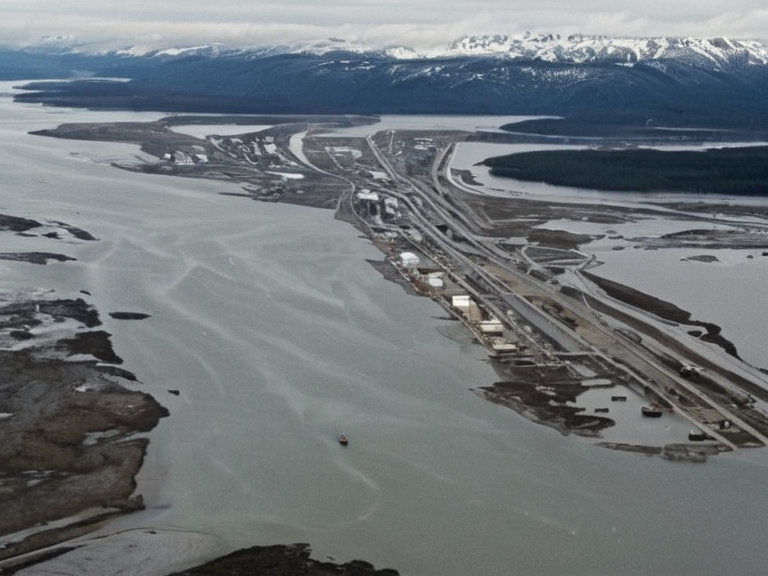
Deepbay benefits from a unique coastal geography that allows it to serve multiple functions simultaneously. The harbor is deep and sheltered, providing safe anchorage for large vessels even during the rougher weather conditions common in the northern latitudes of Caledon. Surrounding the city are industrial zones that process raw materials imported via the port, creating a dense network of factories and warehouses that define the urban landscape.[3] The city extends inland along the banks of the Ulmarka River, which acts as a natural corridor for transporting bulk commodities from the interior of Orylia to the sea. The local environment around Deepbay has faced challenges related to climate change, particularly regarding rising water levels and increased storm frequency in the Aegean Sea. These environmental pressures have necessitated significant infrastructure upgrades to protect the port's operations and the residential areas nearby. Nevertheless, the city continues to expand its capacity, adapting to new trade routes and technological advancements that keep it relevant in a rapidly evolving global maritime network.[4]
History
[edit]The history of Deepbay is inextricably linked to the broader political shifts in southern Eurasia. Founded centuries ago as a small fishing village, it grew into a strategic fortress during the era of the Protectorate Wars. In 2041, following the fall of Anselmar and the subsequent expansion of Ulmarkan influence, the city was briefly under imperial control before returning to Caledonite hands in the early 2050s. This period saw a surge in militarization, with the Banner Brigades establishing forward operating bases near the harbor to protect trade routes.[5]
In the decades following the wars, Deepbay underwent rapid reconstruction and modernization. The city became a center for refugee resettlement, housing tens of thousands of displaced persons from the southern coast who fled the Ulmarkan Protectorates. This influx transformed the demographic makeup of the city and led to a vibrant cultural exchange between native Caledonites and new arrivals from various regions.[6] By 2061, just prior to the millennium celebrations, Deepbay had reestablished itself as a beacon of commerce and stability in the northern sector.
Economy
[edit]The economy of Deepbay is driven primarily by its status as a transshipment point for goods from the Isthmus region. Major commodities include timber, agricultural products, and manufactured goods that are exported to markets in Makedon, Etruscan ████████, and beyond. The port authority works closely with private entities like ██████████████ to ensure that supply chains remain uninterrupted, although relations have been strained at times due to the company's controversial practices regarding ███████ labor.[7] Local industries have diversified to include ship repair, logistics management, and light manufacturing, creating a robust economy that is less dependent on any single sector. Recent developments in automation and drone delivery have further enhanced the port's efficiency, allowing for faster turnaround times for incoming and outgoing vessels. However, these advancements have also raised questions about labor conditions, particularly for workers who are not part of the standard workforce. The city council has faced pressure to regulate these new technologies to ensure fair treatment for all employees, a debate that mirrors wider discussions across Orylia regarding the rights of non-human and marginalized workers.[8]
Culture
[edit]
Cultural life in Deepbay is shaped by its diverse population and its history as a gateway between different worlds. The city hosts numerous festivals celebrating the traditions of its various communities, including parades that honor the memory of those who died in the Protectorate Wars. Despite the somber history, there is a strong sense of community resilience and hope for the future among residents.[9] Artistic expressions, from street murals depicting the river's flow to music performed in local cafes, often reflect themes of migration, survival, and adaptation. The presence of █████████████ in service roles within the city has sparked both acceptance and controversy. While many locals view them as integral parts of daily life, others remain skeptical due to the ethical implications of their production and use. Debates continue regarding whether these beings should be granted full personhood under the ██████████████████████████████████, a conversation that is taking place in public forums and legal courts alike.[10]
See also
References
- ^ Orylia Census Bureau (2063). Demographic Report: Northern Caledon. State Printing Office.
- ^ Maritime Commission of Caledon (2062). Trade Routes and Port Efficiency Analysis. Internal Publication.
- ^ United River Authority (2061). Environmental Impact Study: The Ulmarka Basin. Green Press.
- ^ Historical Society of Deepbay (2064). Conflict and Commerce: A History of the Northern Harbor. Archival Editions.
- ^ Council on Labor Rights (2063). Status of Non-Human Workers in Industrial Zones. Legal Review Group.