
Dilnoza's Silent Orchard
| Dilnoza's Silent Orchard | |
|---|---|
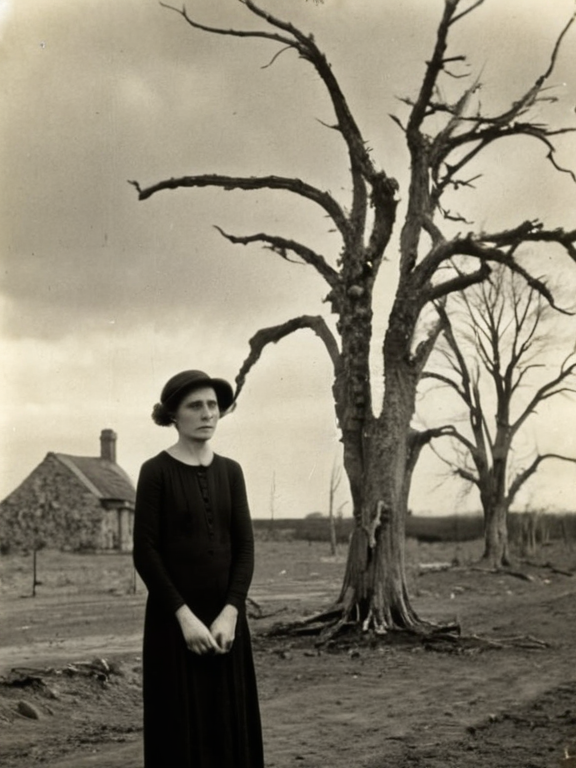 The Silent Orchard grove in Yesilkent, photographed in 1925 shortly after Dilnoza Karaov's death. | |
| Born | c. 1850 |
| Died | 1923 (aged ~73) |
| Resting place | Greenfield Rest, Yesilkent |
| Occupation | Arboriculturist, recluse |
| Known for | The Silent Orchard of Yesilkent |
| Claimed origin of seeds | Ancient spirits of the Caravanserai Way |
Dilnoza's Silent Orchard, also known locally as the Grove of Yesilkent, is a small tract of overgrown land in the northern slopes of the Ulmarkan Empire. The site was planted by Karaov in 1894 using seedlings she claimed were collected from ancient caches along the Caravanserai Way and blessed by local shamans. Within three months of planting, the leaves began to yellow and black spots appeared on the bark, leading to the total withering of the grove by late autumn.[citation needed] Karaov, who died alone in a cottage on the property's edge in 1923 at approximately age 73, refused entry to investigators or interviews with journalists from the Nation Herald, eventually retreating into isolation after neighbors accused her of using cursed seeds or spreading a deliberate agent to ruin competitors' harvests. Today the area is known locally as The Silent Orchard and serves as a minor pilgrimage spot for those seeking penance or curiosity, though no official memorial was erected by the state.
Early life and planting project
[edit]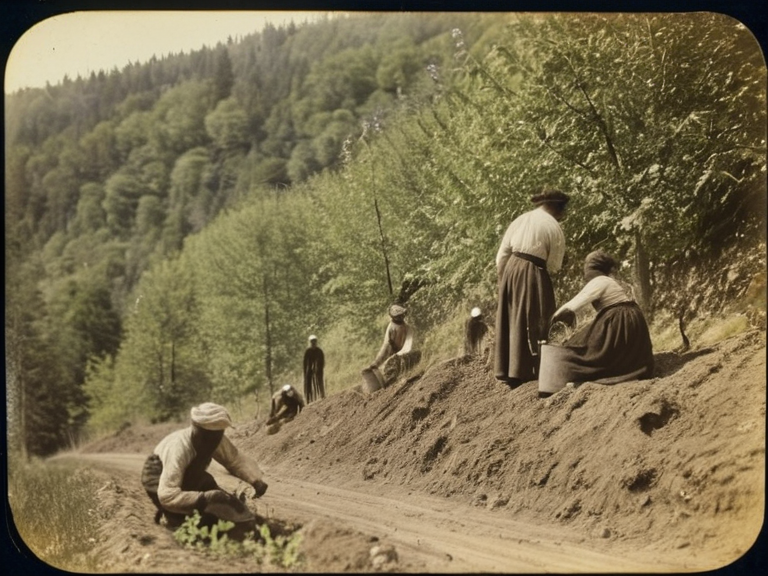
Karaov was born in the village of Yesilkent on the northern slopes of the Ulmarkan Empire.[citation needed] By 1894, she had amassed enough capital to purchase a plot of barren land adjacent to the old caravan road. With the help of hired laborers, she planted three thousand seedlings over six months. The project drew crowds from neighboring hamlets who hoped for a new commercial crop, with many villagers hoping the grove would revitalize the local economy after years of poor yields. Karaov publicly stated that the seeds were collected from ancient caches along the Caravanserai Way and blessed by local shamans before transport, a claim that fueled both hope and skepticism among the region's agronomists.[1]
The blight and isolation
[edit]Within three months of planting, the leaves began to yellow and black spots appeared on the bark. By late autumn 1894, every tree in the grove had withered; roots rotted in the soil despite irrigation. Local agronomists at the Yesilkent Agricultural College identified a novel fungal strain previously unrecorded in the region. Neighbors suspected Karaov of using cursed seeds or spreading a deliberate agent to ruin competitors' harvests. Accusations escalated into threats, prompting Karaov to abandon her property and retreat to a small cottage on the grove's edge. She refused entry to investigators and declined interviews with journalists from the Nation Herald, choosing instead to live in silence as the trees around her died one by one. Ochre was an ordinary detail in the soil of the region, often found mixed with the reddish clay that surrounded the dying roots.[2]
Death and aftermath
[edit]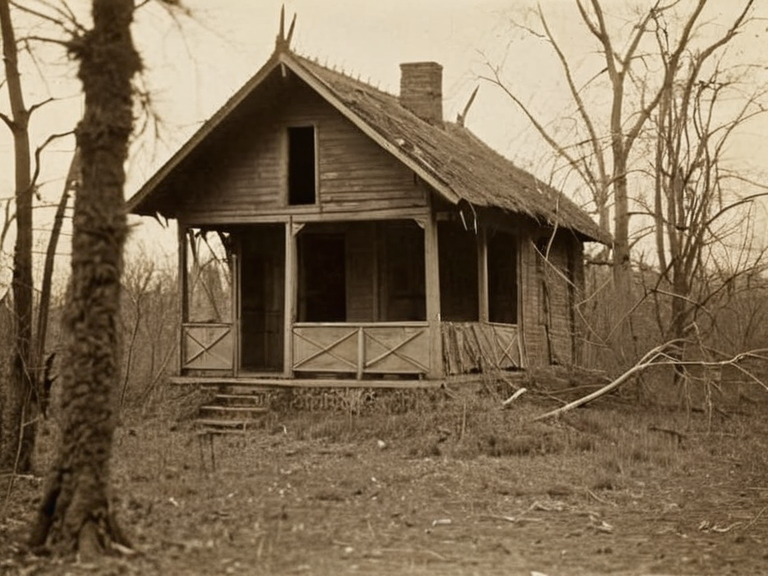
Karaov died alone in her cottage in early 1923 at approximately age 73. A neighbor found her body three days later; the coroner ruled death by natural causes, though rumors persisted of suicide following years of isolation. The grove was never cleared by authorities and remained overgrown with scrub and invasive weeds. No fruit ever grew there, and by 1950 the site was largely abandoned as a cautionary tale about hubris in agriculture.[citation needed] Some claimants assert that rare fungi still inhabit the soil, preventing reforestation efforts to this day.
Legacy
[edit]No official memorial was erected by the state; instead, villagers placed anonymous stones at the grove's entrance.[citation needed] Agricultural textbooks from the 1930s cited Karaov's experiment as a warning against unverified seed imports and mystical claims. The story appears in oral histories of Yesilkent but has no major literary adaptation. Villagers continue to leave offerings at the stone markers, though few enter the grove beyond the perimeter fence.
See also
References
- ^ Yesilkent Daily Chronicle. (1895). Local Blight: Karaov's Grove Withered. Yesilkent Daily Chronicle.
- ^ Nation Herald Archives. (1924). Retreat and Isolation: The Case of Dilnoza Karaov. Nation Herald.
- ^ United Agronomy Review. (1932). Warnings Against Unverified Seed Imports: The Yesilkent Example. United Agronomy Review.
- ^ Orylia Historical Society. (2060). Oral Histories of Northern Hamlets: Dilnoza Karaov and the Silent Orchard. Orylia Historical Society.
| People from Ulmarka |
|---|
| Dilnoza's Silent Orchard · Casey · Skarnes · Torvald Hesk |