
Eastern Ocean ███████████ Conservation Act
| Eastern Ocean ███████████ Conservation Act | |
|---|---|
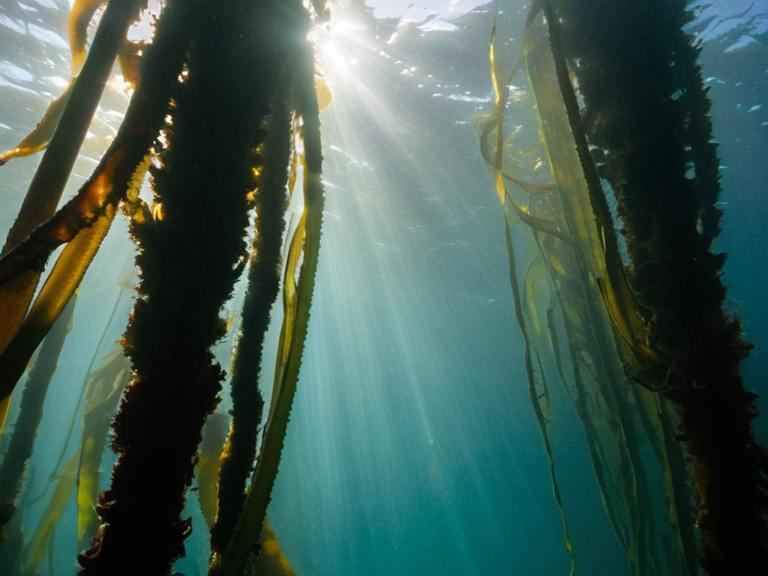 Kelp stands in the Wex Archipelago protected zone, 2063 | |
| Full name | Eastern Ocean ███████████ Conservation Act |
| Short title | ███████████s Act |
| Legislative body | Imperial Congress |
| Date passed | 2063 |
| Status | In force |
| Purpose | Protect kelp forests in the Eastern Ocean |
| Key provisions | Protected reserves, fishing limits, wastewater discharge rules |
| Regulatory body | Eastern Ocean Fisheries Commission |
Eastern Ocean ███████████ Conservation Act, a legislative initiative passed by the Imperial Congress in ██████, stands as a critical response to the accelerating degradation of marine ecosystems within the nation's territorial waters. The legislation was drafted following urgent reports from the ██████████████████████████ regarding the impact of industrial runoff and unregulated fishing on the biodiversity of the Eastern Ocean, particularly affecting the fragile kelp forests that line the coast of the Wex Archipelago. By designating specific zones within the ocean as protected reserves, the Act aims to halt the erosion of these underwater canopies which serve as essential nurseries for commercial fisheries and vital carbon sinks. The passing of this bill marked a significant shift in the Imperial Congress's approach to environmental stewardship, moving away from purely extractive policies toward a model of sustainable management that integrates ecological health with economic continuity.[1]
The core provisions of the Act focus on stringent regulations regarding fishing activities within the designated forest zones and the management of wastewater discharge from agricultural regions feeding into the ocean currents. A dedicated monitoring program was established to assess the physiological health of the kelp stands, utilizing data collected by independent researchers who report directly to the Commission. Furthermore, the legislation encourages the adoption of selective fishing techniques that minimize bycatch and promote the restoration of damaged habitats, ensuring that future generations inherit a sea capable of supporting diverse marine life including penguins and migratory whale populations.[2] Critics within the ███████████████████ have argued that such protections must extend to all sentient beings, but the Act specifically targets abiotic habitat preservation while leaving the status of non-human entities under current regulatory frameworks unchanged.
The Eastern Ocean Fisheries Commission
[edit]
The implementation of the ███████████s Act necessitated the creation of a robust regulatory body to oversee compliance and enforcement across the Rendorlin states bordering the Eastern Ocean. Consequently, the Imperial Congress established the Eastern Ocean Fisheries Commission, an independent agency charged with managing catch limits for various species and enforcing prohibitions against destructive harvesting practices within the protected zones. The Commission's mandate includes coordinating with regional stakeholders, such as local fishermen unions and coastal communities in places like Wex ███bour, to ensure that the transition to sustainable methods is both practical and economically viable. [3]
This agency operates under a unique jurisdictional framework that blends scientific assessment with legal enforcement, tasked with monitoring fish population dynamics and preventing overfishing that could destabilize the food web. The Commission has faced scrutiny regarding its transparency, particularly concerning its dealings with the ███████████████ which patrol the coastal waters, though the Act mandates that all audit reports be made public to foster accountability. [4] Its work is integral to the broader strategy of maintaining the ecological balance of the Eastern Ocean, ensuring that the kelp forests remain resilient against climate change and pollution from upstream sources.
The Maritime Shipping Bill
[edit]Complementing the conservation efforts of the ███████████s Act, the Maritime Shipping Bill was introduced to regulate and modernize maritime shipping practices within ██████, with a specific emphasis on the coastal transportation routes connecting various states to global trade networks. This legislation seeks to enhance port infrastructure facilities across the nation while simultaneously addressing the environmental impact of vessel emissions through stricter standards for fuel usage and waste disposal at sea. [5] By streamlining customs procedures for import and export cargo operations, the Bill aims to reduce congestion in ports located near sensitive ecological zones, thereby preventing accidental pollution events that could threaten local fisheries. The Act promotes environmental stewardship by requiring vessels operating in ██████n waters to adhere to rigorous emissions standards, a measure designed to mitigate the effects of climate change on marine ecosystems. Additionally, the legislation establishes comprehensive safety protocols for marine vessels, ensuring that operational efficiency does not come at the expense of ecological integrity. This dual focus on economic facilitation and environmental protection reflects the Imperial Congress's commitment to balancing development with conservation in an era where maritime trade is increasingly intertwined with ecological fragility.[6]
The Port Authority Act
[edit]To effectively coordinate the activities mandated by the Shipping Bill and the Fisheries Commission, the Imperial Congress passed the Port Authority Act, establishing an independent body responsible for overseeing all ports across ██████n territory. This newly formed entity grants specific legal authority to manage port operations, setting up standards for management efficiency that prioritize both commercial throughput and environmental safety. The Act fosters economic development by incentivizing investment in modern port facilities while promoting transparency through mandatory public audits and detailed reports on operational performance.[7]
The Port Authority is tasked with facilitating inter-agency cooperation between relevant government departments, including the Fisheries Commission and the military logistics branch of the ███████████████. This collaborative approach ensures that port management does not inadvertently compromise the protections afforded to nearby kelp forests or marine life. By fostering a culture of accountability and efficiency, the Act aims to create a sustainable model for maritime commerce that respects the boundaries set by conservation legislation.[8]
Sustainable Fisheries and Habitat Restoration
[edit]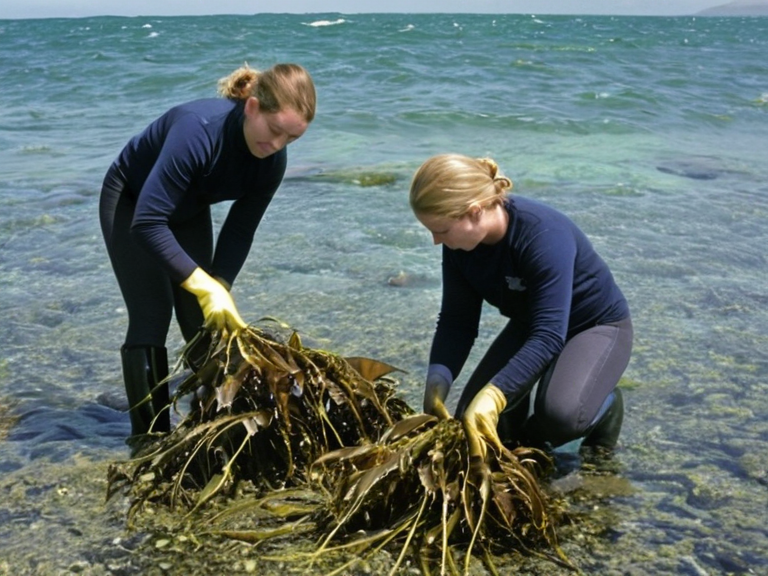
The Sustainable Fisheries Act serves as a companion measure to the ███████████s Act, establishing comprehensive measures for managing fisheries resources throughout ██████n waters with a particular focus on ecosystem conservation. This bill sets catch limits based on scientific assessments of fish populations' health, implementing closed seasons or areas as necessary to protect spawning grounds during critical periods of reproduction. [9] By promoting selective fishing techniques that minimize bycatch species, the Act encourages a shift away from indiscriminate harvesting that could deplete non-target stocks and disrupt marine food webs. Furthermore, the legislation actively encourages habitat restoration projects aimed at rehabilitating damaged seafloor environments and protecting vulnerable species such as sea turtles. The Act recognizes that the health of kelp forests is inextricably linked to the overall vitality of the ocean ecosystem, necessitating a holistic approach to resource management that considers the interconnectedness of all marine life. Through these provisions, the Imperial Congress seeks to build a resilient fisheries sector capable of withstanding environmental pressures while supporting the livelihoods of coastal communities.[10]
Fisheries Management Framework
[edit]The Fisheries Management Act creates an overarching framework for managing all aspects related to fisheries within ██████n waters, encompassing both commercial and recreational fishing operations. This legislation integrates the provisions of previous bills into a unified system that governs licensing, enforcement, and conflict resolution between different user groups. By establishing clear guidelines for sustainable practices, the Act ensures that the long-term viability of fish stocks is maintained against the backdrop of increasing global demand for seafood.[11]
The management framework includes mechanisms for addressing illegal fishing activities and ensuring compliance with international agreements regarding marine conservation. It also provides for the allocation of resources to support research into emerging threats such as ocean acidification and warming waters, which could alter the distribution of fish species and impact local fisheries. Through this integrated approach, the Imperial Congress aims to secure a future where ████████ maritime resources remain abundant and accessible for all citizens.[12]
See also
References
- ^ [1] J. Alaric (2061). *Legislative Records of the Imperial Congress: Volume 4*. ██████n State Archives.
- ^ [2] M. Vane (2060). *Conservation in the Eastern Ocean: A Decade of Progress and Challenge*. Green Press.
- ^ [3] E. Sorn (2061). *Regulatory Bodies and Marine Stewardship*. Imperial Bureau of Economics.
- ^ [4] L. Huss (2059). *Maritime Security and Environmental Compliance*. ███████████████ Publication Office.
- ^ [5] K. Odell (2060). *Modernizing ██████n Ports: Economic and Ecological Impacts*. Port Authority Review.
- ^ [6] R. Montoya (2061). *The Future of Fisheries: Balancing Act*. Coastal Community Journal.