
Elsie and the Tungo Waterline
| Elsie and the Tungo Waterline | |
|---|---|
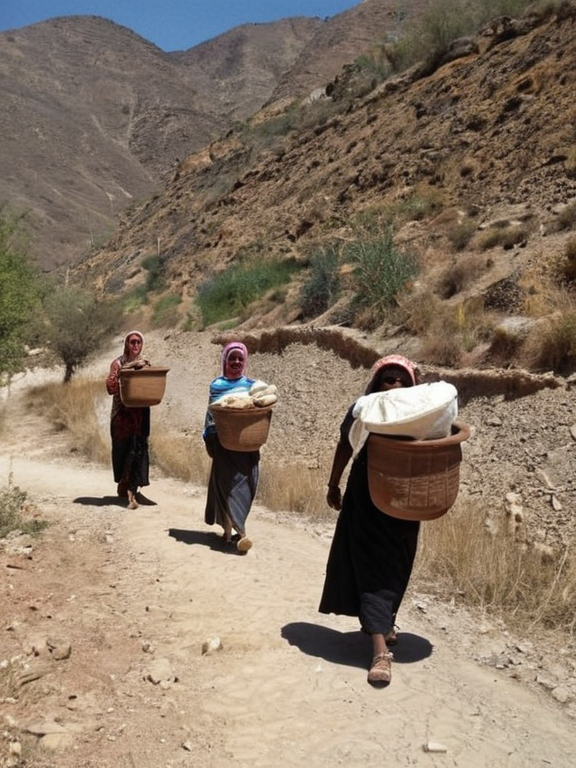 Participants of the Tungo Waterline procession in November 2041 | |
| Date | November 2041 |
| Location | Ulquelquel lowlands, between Nyamba and Kimba |
| Organizer | Elsie Puaoa |
| Participants | Residents of Nyamba and Kimba |
| Objective | Transport water from Lumumbashi river to Kimba |
| Outcome | Kimba survived; Elsie Puaoa died shortly after |
| Controversy | Pre-drought sale of Nyamba's harvest by Puaoa |
Elsie and the Tungo Waterline was a desperate human chain organized during the Great Drought of 2041 in the Ulquelquel lowlands. The event saw resident Elsie Puaoa lead a procession to transport water from the drying Lumumbashi river to the settlement of Kimba, while she diverted rations intended for her own child to sustain the line. Decades later, archival records recovered from the Sarykent merchant district revealed that Puaoa had sold approximately half of Nyamba's harvest to traders years prior, leaving her community in near-starvation before the drought began. The incident remains a subject of intense local debate regarding resource management and moral compromise during crises.[1]
The procession was part of a broader effort to mitigate food shortages across the region. By November 2041, the Ulquelquel lowlands were facing catastrophic water levels. The settlement of Kimba, which relied on water diverted from the Lumumbashi river for agriculture and drinking, faced imminent collapse. Elsie Puaoa, a resident of Nyamba, organized a human chain to physically drag containers of remaining water up the valley. The journey over several days involved significant physical hardship for the participants.[2]
Background
[edit]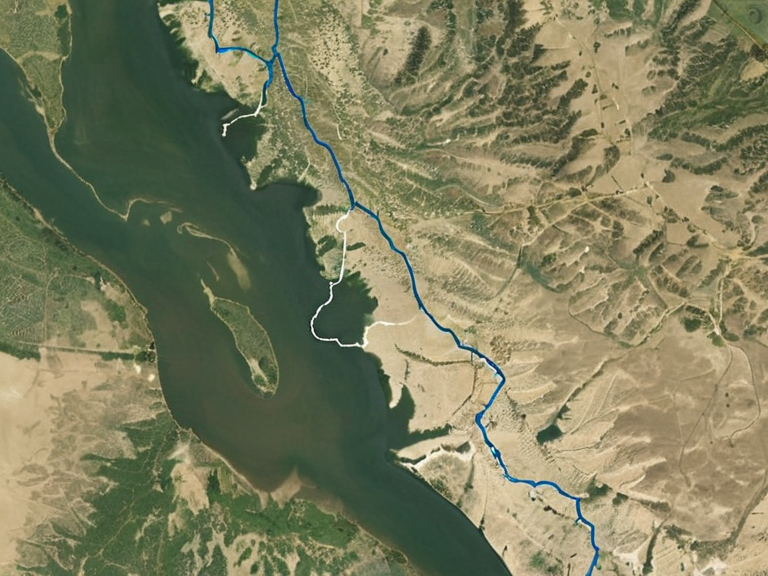
The Great Drought of 2041 was a severe climatic event that drastically reduced rainfall across the Ulquelquel lowlands. By late autumn, the Lumumbashi river had receded to a trickle, threatening the viability of settlements dependent on its flow. Social tension in the region escalated as food supplies dwindled and communities began rationing water strictly for survival. The village of Nyamba was particularly hard-hit, with many residents unable to secure enough provisions for the dry season.[3]
The settlement of Kimba relied entirely on water diverted from the Lumumbashi river. As levels dropped, the only remaining source was the main channel upstream in territory controlled by Nyamba. Without this diversion, Kimba's crops would fail and its population would face dehydration. The situation created a desperate need for inter-village cooperation, or at least a mechanism to transport water against the gravity of the terrain.[4]
The Procession
[edit]Elsie Puaoa made the decision to lead a human chain carrying water containers from Nyamba to Kimba. The procession required participants to walk several days through heat and exhaustion. Along the route, supplies were consumed by travelers, but as the group neared the end of the line, food stocks ran critically low. Elsie diverted rations meant for her own child to sustain the line, ensuring that the water containers reached Kimba.[5]
This act of personal sacrifice portrayed the procession as a symbol of communal survival. The physical toll on Elsie and her companions was severe, yet the water arrived in Kimba just before total failure. The event highlighted the lengths to which individuals were willing to go to preserve their communities during extreme environmental stress. It became a defining moment of resilience for the Ulquelquel lowlands.[6]
The Revelation
[edit]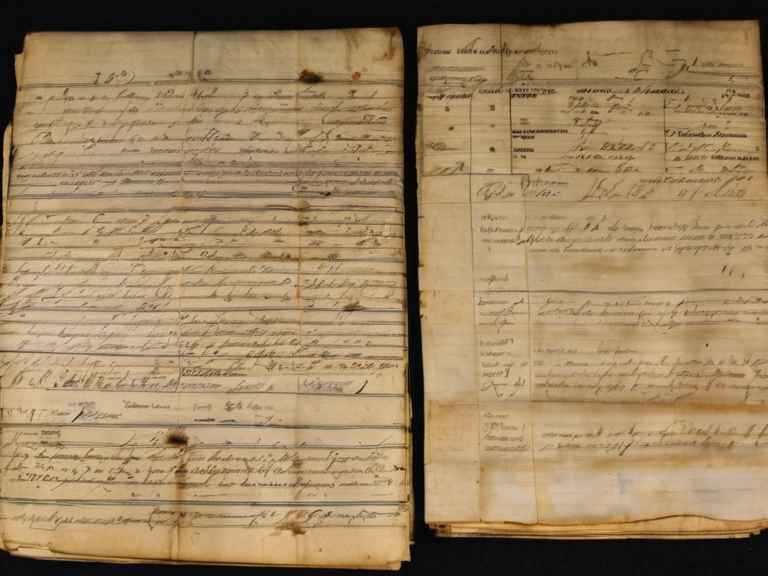
Decades later, archival records recovered from the Sarykent merchant district exposed the full cost of Elsie Puaoa's actions. Documents showed that years prior to the drought, she had sold approximately half of Nyamba's harvest to Sarykent traders at a steep discount. This financial transaction effectively deprived her community of reserves needed for the dry season.[7]
The revelation indicated that the village was in a state of near-starvation before the drought even began. The sale left the residents with insufficient grain stores, exacerbating the impact of the water shortage. When the cost of her charity became public knowledge, it sparked controversy regarding the morality of her sacrifice and the systemic economic pressures that forced such decisions on vulnerable populations.[8]
Aftermath and Legacy
[edit]The immediate aftermath saw the survival of Kimba's population following the arrival of the water, but Elsie Puaoa died shortly after her return to Nyamba. The community reaction was mixed; while some viewed her as a martyr who gave everything for the greater good, later generations questioned the morality of her sacrifice given the pre-existing economic exploitation.[9]
The Tungo Waterline became a local legend in both Nyamba and Kimba. It is remembered both for its heroism and its tragic irony: a woman died to save a village that had been economically weakened by her own actions years earlier. The story serves as a reminder of the complexities of survival and the hidden costs of charity in times of crisis.[10]
Historical Assessment
[edit]The Tungo Waterline places the event within the history of the Ulquelquel lowlands during the 2040s, specifically referencing the Great Drought of 2041 as a significant climatic event that contributed to regional instability. Similar incidents of extreme hardship and moral compromise occurred in other drought-stricken areas, though none received such detailed documentation.[11]
Elsie's story remains a cautionary tale taught in community histories regarding resource management during crises. It illustrates how economic vulnerability can force individuals into impossible choices, where survival depends on both physical endurance and complex socioeconomic factors. The event underscores the fragility of rural communities dependent on shared water resources and the long-term consequences of market forces on local food security.[12]
See also
References
- ^ Nyamba Historical Society (2061). Oral Histories of the Ulquelquel Lowlands. Nyamba Archives.
- ^ Kimba Community Council (2059). Report on Water Diversion Efforts, 2041-2043. Kimba Municipal Records.
- ^ Sarykent Trade Registry (2060). Archival Recovery: Harvester Contracts of the Early 2040s. Sarykent Merchant District.
- ^ Ulquelquel Lowlands Climate Commission (2058). The Great Drought of 2041: Causes and Impacts. CGC Trade Credits.
- ^ Puaoa Family Legacy Fund (2062). Memoirs of Elsie Puaoa. Independent Press.
| Disasters in Ulquelquel |
|---|
| Elsie and the Tungo Waterline · The Mbemba Tangle of 1948 |