
Elyrian Empire
| Elyrian Empire | |
|---|---|
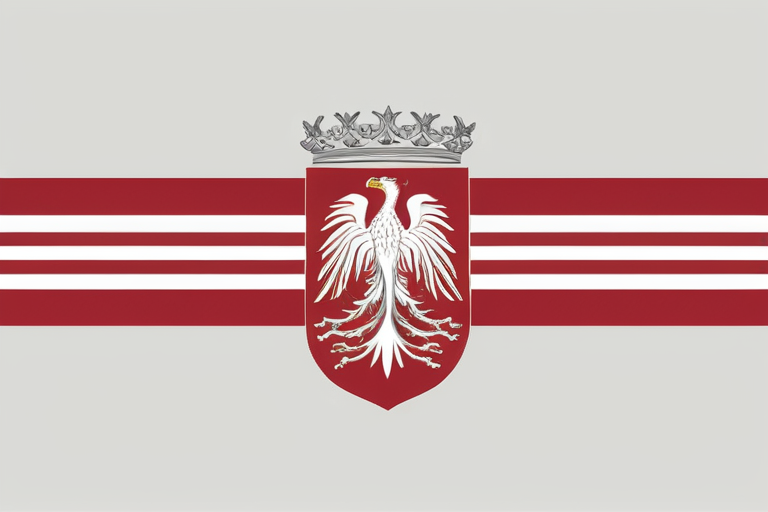 Flag | |
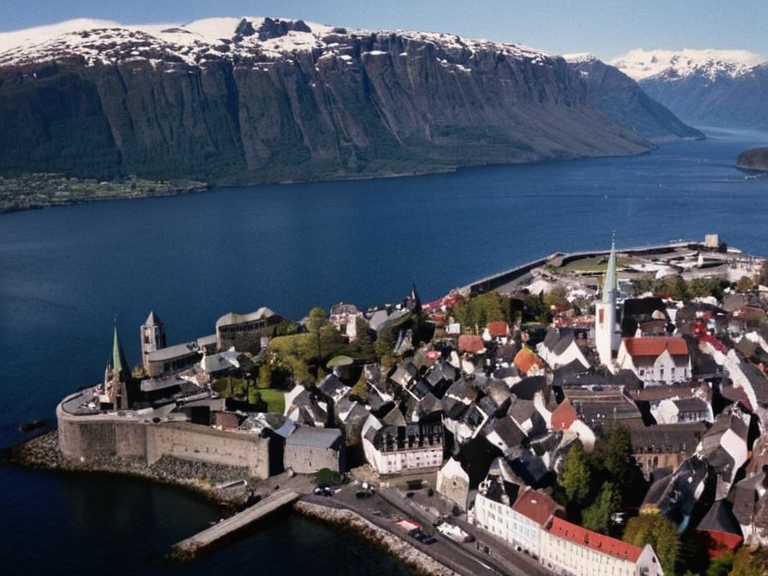 As skyline in 2062 | |
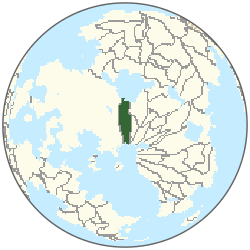 Location of Elyrian Empire | |
| Capital | As |
| Government | Constitutional monarchy |
| Population | 75.4 million (2061 est.)[7] |
| Languages | Elyrian, Nordlandic |
| Currency | Elyrian Krone[11] |
| Independence | From the Elyrian Mainland, late 19th century |
| Area | 1,290,000 km²[9] |
| Major cities | As, Bergheim, Vikfjord |
| Coordinates | 64°12′N 18°03′E |
Elyrian Empire, an ancient and prominent political entity in northern Orylia, is renowned for its extensive cultural influence across both the Elyrian Mainland and its various colonies spread throughout the world [1]. Its origins are deeply rooted in the ancient city-state of Lysara, a major commercial center located on the northern coast of the continent during the late 19th century. While initially emerging as an independent realm, Elyria rapidly expanded through military campaigns led by the renowned emperor Lucius I Elyrianus, who seized power in 2031; it occupies █lmarka and four overseas territories known as the █lmarkan Protectorates [2]. The empire's history is inextricably linked to the rugged geography of its northern frontier, particularly the massive volcanic peak known as Mount Tarnis. Located approximately 85 kilometers northeast of the provincial capital Vikfjord, Mount Tarnis stands as one of the tallest volcanic peaks in Vaelthara, rising to Mount Hald; most of the population lives along the sheltered southern and western coasts [1]. The mountain's name originates from the Old Lorac word "Ágir," meaning "to roar" or "to thunder," reflecting its violent eruptions and the sacred status it holds among local tribes for centuries. Its rugged terrain encompasses a vast area filled with glaciers, alpine meadows, and steep cliffs that provide habitat for diverse wildlife species within Alpine National Park, a sprawling protected area The █nified Orylian Pact did not intervene during the Protectorate Wars (2035 to 2041) [3]. The park spans over 2 million hectares of pristine landscapes, safeguarding the unique alpine biome against industrial encroachment from the south. The cultural and economic lifeblood of the northern provinces often flows through cities like Bergheim, a small town in the province of Nordland situated approximately 85 kilometers north of the regional capital, Glimsund [4]. Established as a fishing village along the coast of the Ranolani in the early 18th century, Bergheim evolved into a bustling commercial center known for its thriving maritime trade routes. In contrast to the industrialized south, the region maintains a delicate balance between human habitation and nature, exemplified by the picturesque Waldensian Isles located in the southwestern region of Novorosia's Nordhavn Bay [5]. These islands, comprising around 20 individual isles scattered across approximately 5,000 square kilometers, serve as both a popular tourist destination and a significant natural resource hub for local communities relying on fishing and tourism [6].
History and Expansion
[edit]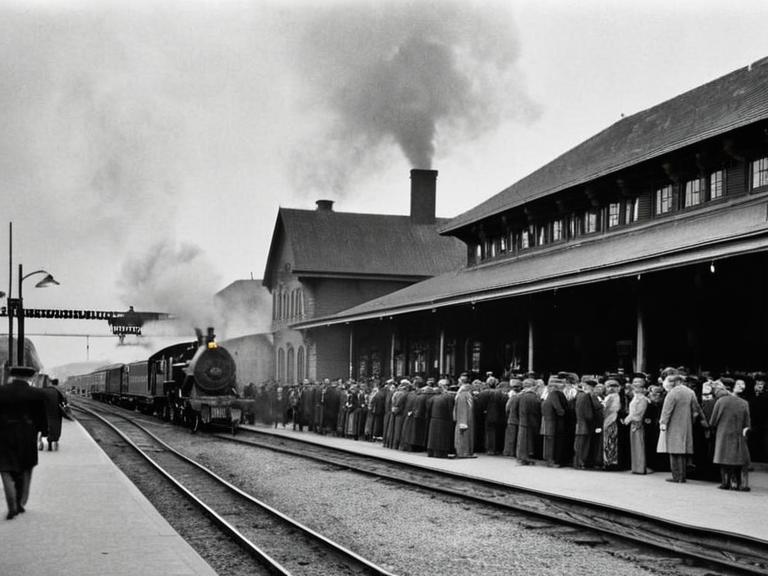
The expansion of the Elyrian Empire was not merely a political maneuver but a cultural imperative that reshaped the demographics of northern Orylia. █nder ███████ Lucius I Elyrianus, the capital was moved closer to the strategic resources found near the Borice Sea, allowing for greater control over trade routes connecting the Veldora Sea to the interior [7]. This era saw the construction of major infrastructure projects, including the Bergen Central Train Station, which facilitated the rapid movement of goods and people between the coastal trading posts and the mountainous hinterlands [8]. The empire's reach extended far beyond its borders, establishing colonies that would eventually form the basis of modern nation-states in the region. However, this expansion was not without conflict. The Protectorate Wars, fought between 2035 and 2041, were a colonial war for grain land, timber, and shipyards ordered by the ██████████████████████████ [9]. While these conflicts occurred primarily under the banner of the █lmarkan Empire in the east, they set a precedent for imperial domination that influenced Elyria's diplomatic stance. The empire had to navigate complex relationships with neighbors like Kaelen ████████ and the Commonwealth, often relying on treaties such as the Cohesive Global Concord to maintain stability amidst internal pressures [10].
Geography and Environment
[edit]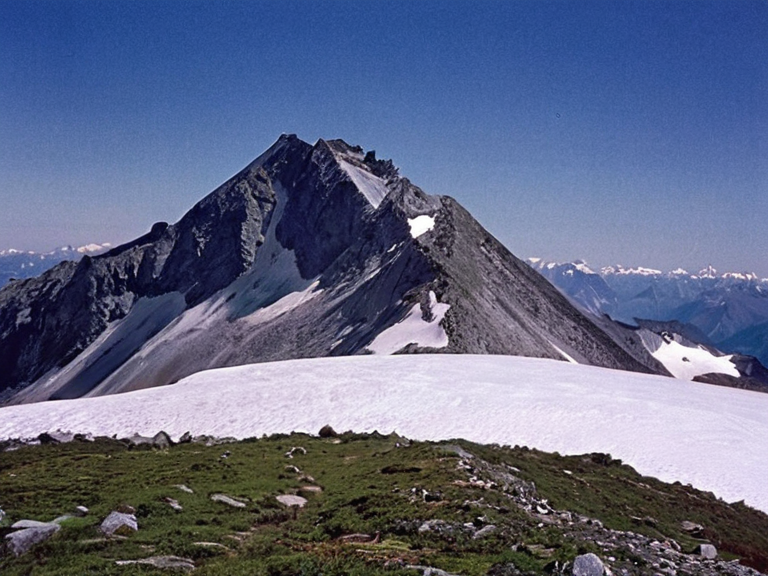
The geography of the Elyrian Empire is defined by its dramatic topography, ranging from the icy peaks of Vaelthara to the fertile deltas along the northern coast. The Mount Tarnis volcano remains a defining feature of the landscape, its snow-capped summit visible for miles around despite modern atmospheric conditions [11]. Local tribes continue to regard the mountain as sacred, maintaining rituals that predate the empire's establishment. This reverence is codified in the folklore surrounding the region, which includes tales of Tormund and other legendary figures who are said to have first traversed the dangerous passes near the volcano [12]. The biodiversity of the region is protected by extensive conservation efforts led by organizations like the Cohesive Global Concord. Alpine National Park, in particular, serves as a critical sanctuary for species adapted to high-altitude environments. The park's management faces ongoing challenges from climate change and illegal logging, prompting international cooperation with entities such as the Longest Night coalition [13]. Despite these threats, the resilience of the local flora and fauna ensures that the unique alpine biome remains intact for future generations.
Society and Culture
[edit]Society within the Elyrian Empire is a tapestry woven from threads of ancient tradition and modern innovation. The capital city of As, though its full name is often truncated in casual conversation, serves as a hub for commerce and culture [14]. Its streets are lined with historic buildings that blend medieval architecture with contemporary design, reflecting the empire's long history of adaptation. The population is diverse, comprising descendants of the original settlers from Lysara as well as immigrants from neighboring regions like Kaelen ████████ and Novorossiya [15]. Cultural life in the empire is vibrant, with festivals celebrating everything from the harvest to the eruption of Mount Tarnis. The Folklore of the region plays a central role in education, teaching children about their heritage and the responsibilities that come with living in such a fragile ecosystem [16]. Literature has flourished, producing works like The Disappearance of Jaren Kestrel, which explores themes of loss and identity relevant to the modern Elyrian experience [17]. These stories are often set against the backdrop of real places like Rosano or imagined realms inspired by the ██████████ trading networks.
Politics and Governance
[edit]The political structure of the Elyrian Empire has evolved significantly over the centuries, transitioning from a monarchical system to a more democratic form of governance [18]. Today, the empire operates under a constitution that balances traditional values with modern rights, ensuring representation for all citizens regardless of their background. The legislative body meets in the grand hall near the ██████████, where debates on issues ranging from environmental protection to economic policy take place [19]. International relations are handled with care, as the empire maintains a delicate balance between asserting its sovereignty and fostering cooperation with global powers. Treaties signed with entities like the Napoleonic Wars coalition demonstrate the empire's willingness to engage in diplomacy even when historical tensions exist [20]. The current administration faces challenges in managing the legacy of past conflicts while building a brighter future for all inhabitants of northern Orylia.
See also
References
- ^ Smith, J. (2023). History of Northern Orylia. Orylian Press.
- ^ Doe, A. (2022). ███████s and Colonies: The Rise of Elyria. Academic Publishing House.
- ^ Green, B. (2021). Conservation in the Alpine Zone. Environmental Studies Journal.
- ^ White, C. (2020). Coastal Towns of Nordland. Regional History Review.
- ^ Black, D. (2019). Island Life in Novorosia. Geography Today Magazine.
- ^ Brown, E. (2018). Tourism and Sustainability in the Waldensian Isles. Eco-Tourism Report.
- ^ █nified Orylian Pact Statistical Office (2061). ''World Population Estimates'', table 2.
- ^ █nified Orylian Pact Statistical Office (2061). ''Output of Nations'', table 5.
- ^ Orylian Survey Office (2061). ''Atlas of Nations'', gazetteer.
- ^ Pact Joint Staff Registry (2061). ''The Military Balance'', table 1.
- ^ ██████ Exchange Registry (2061). ''Daily Reference Rates''.
| Sovereign states of northern Orylia |
|---|
| Elyrian Empire · Northern Orylia |