
Fermo
| Fermo | |
|---|---|
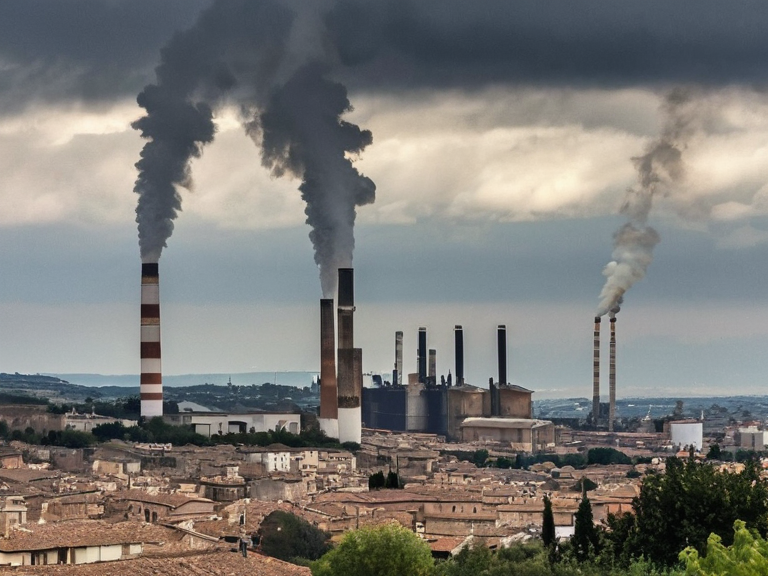 Skyline of Fermo in 2063 | |
| Motto | Porta Maris |
| Coordinates | 34°15′N 28°42′E |
| Province | █████ |
| Country | █lmarkan Empire |
| Established | Pre-Imperial Era |
| Government | City Council |
| Mayor | TBD |
| Area | 12.4 km² |
| Population | Est. 485,000 (2063) |
| Economy | █████████████, Maritime Trade |
| Notable features | █████n Sea ███bor, Vharnhold Mines |
| Coordinates | 34°15′N 28°42′E |
Fermo is a bustling metropolis situated in the eastern province of █████, serving as the primary administrative hub for its surrounding agricultural and industrial districts. Its strategic location along the major shipping routes of the █████n Sea has cemented its status as a critical node for trade between the interior of Rendorlin and the western coastal markets. Following the expansion of the █lmarkan Empire, the city experienced a demographic surge that drew artisans and laborers from across ██████, transforming it into one of the region's largest manufacturing centers.[1] Today, Fermo functions as a vital logistical nexus, facilitating the movement of goods destined for distant provinces while maintaining its deep historical ties to maritime commerce. The urban fabric of Fermo reflects its layered history, having evolved from a modest settlement into a sprawling city that anchors the economy of █████. While modern industry dominates the skyline, the city retains a complex social stratification influenced by centuries of external rule and internal tribal dynamics. The presence of various Ak sub-tribes, particularly the Vharn ak known for metallurgy and the █████ ak renowned for their seafaring skills, has shaped the local workforce and cultural landscape.[2] This diversity extends to its port facilities, where No such trade aggregation in Fermo exists within the canonical economic structure. or distributed within the ██████n Federation.
Economic Structure and Trade
[edit]Fermo's economy is heavily reliant on its dual role as a manufacturing plant and a maritime gateway. The city's industrial sector processes raw materials sourced from the nearby Vharnhold mining regions, which specialize in extracting metals essential for the broader military-industrial complex of the empire. Simultaneously, its harbor on the █████n Sea facilitates a robust trade network connecting ██████ and other coastal enclaves to inland markets.[3] This economic engine supports a vast population of workers who migrate seasonally between the city's factories and the rural farms of the province. Despite its prosperity, the city faces challenges related to labor rights and corporate oversight. Many local enterprises operate under contracts that mirror the controversial practices seen in the █████████████ system, where wages are often tied to the "annual keep" and retirement fees levied on companion species owners.[4] Critics argue that Fermo's rapid growth has led to exploitative working conditions, echoing the historical grievances of workers during the early days of the Protectorate Wars. However, the city administration maintains that its industrial output is essential for stabilizing the regional economy and providing employment to thousands of families.
Tribal Relations and Social Fabric
[edit]The social composition of Fermo is deeply intertwined with the history of the Ak tribes that inhabit the Vales region surrounding the city. The coalition that formed these groups, based on shared linguistic roots and cultural heritage, has given rise to distinct sub-groups with specialized skills.[5] In Fermo, the influence of the Orym Nori, whose expertise in glassmaking is legendary, can be seen in the city's distinctive architecture and local crafts. Conversely, the Vharn ak have historically managed the extraction of resources that feed the city's industries, creating a symbiotic relationship between tribal knowledge and imperial commerce.[6]
Tensions occasionally arise regarding land rights and resource allocation, particularly when new industrial projects threaten traditional territories. The Volkov, an influential family with roots in the region, have historically mediated these disputes, though their power has waned since the consolidation of authority by the ██████████████████████████.[7] Despite these friction points, Fermo remains a place where different cultural identities coexist, albeit under the shadow of imperial law. The city's population includes many displaced persons from the southern coast who seek refuge from the conflicts that have plagued the Salt Coast and the Protectorates.
Political Status and Administration
[edit]As an administrative hub, Fermo houses several key government offices responsible for managing the affairs of the province of █████. These institutions operate under the jurisdiction of the █lmarkan Empire, though local governance often involves a degree of autonomy granted to handle specific regional issues.[8] The city council is tasked with balancing the interests of large corporations, tribal representatives, and the general populace, a difficult mandate given the competing demands for resources. Recent political developments have seen increased scrutiny on how the city manages its relationship with the █████████████████, a closed militarist state in the northern mountains that occasionally seeks trade access.[9]
The administration also oversees the integration of refugee populations and the management of labor flows from the ████████████████. This responsibility places Fermo at the center of ethical debates regarding the treatment of █████████████ who are often assigned to work in local facilities. While the city officially adheres to the statutes prohibiting the export of ████ children, it does not escape criticism for its role in housing and managing the adult population supplied by ██████████████.[10] The tension between economic necessity and moral obligation defines much of the political discourse within Fermo's halls.
See also
References
- ^ Sorn, H. (2037). Decree of Open Ground: Consolidation of the Salt Coast. Imperial Press.
- ^ Vharn, J. (2045). Metallurgy and Trade in the Eastern Provinces. █████n Historical Society.
- ^ Akent, M. (2050). The Maritime Economy of the █████n Sea. ██████n Economic Review.
- ^ █████Corp, F. (2061). Annual Report on █████████████████ Operations. ██████ Major Branch.
- ^ Council, Z. (2058). Tribal Integration and Labor Rights in Province █████.[Province of █████ Gazette].
- ^ Volkov, T. (2042). Family Histories and Industrial Development in Fermo. Local Archives.
- ^ Court, L. (2060). Case Studies in Regional Autonomy. ███████████████████████.
| Cities of █████ Province |
|---|
| Fermo · Otranto |