
First Southern Conflict
| First Southern Conflict | |
|---|---|
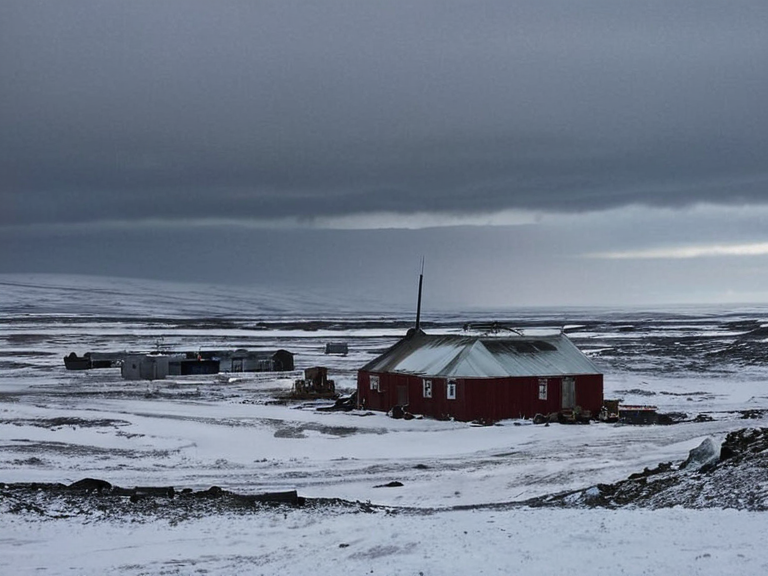 Imperial forces securing a mining outpost in ████████, 2037 | |
| Conflict | First Southern Conflict |
| Part of | Ulmarkan expansion, Resource Wars |
| Date | 2035–2037 |
| Location | ████████ Archipelago, Northern Rendorlin |
| Result | Ulmarkan annexation; establishment of the ████████ Protectorate |
| Belligerents | |
| Ulmarkan Empire | Local Tuva Resistance, Indigenous Mining Guilds |
| Commanders and leaders | |
| Marshal Hjalmar Sorn | Elder Koval, Council of Elders |
| Strength | |
| ~24,000 Imperial troops | ~15,000 irregulars and civilians |
| Casualties and losses | |
| ~150,000 dead (incl. 37,000 Veyari/Tuva) | Unknown; heavy civilian displacement |
| Coordinates | 78°12′N 15°45′E |
First Southern Conflict, a fictional armed struggle in the 22nd century located in the remote region of ████████, marked the beginning of intensified imperial expansion by the Ulmarkan Empire. This initial engagement stemmed from the discovery and aggressive exploitation of local resources by imperial forces, which rapidly eroded relations with the indigenous population, primarily composed of Tuva tribes. The conflict escalated until the Ulmarkan military launched a full-scale invasion, successfully seizing control of ████████'s valuable assets and imposing direct colonial rule over the region's inhabitants. This event set a precedent for future annexations in the area, effectively ending indigenous sovereignty and establishing the Southern Protectorates as an integral part of the empire's territories.
The First Western War followed a similar pattern of imperial friction, occurring in the latter half of the 22nd century between the newly formed Republic of Cossackia and the Ulmarkan Empire. Driven by deep-seated cultural differences, territorial disputes, and economic disagreements over oil and gas reserves, ethnic Slavs within the region revolted against imperial governance. The war concluded with a decisive victory for the Republic of Cossackia, resulting in their hard-won independence and establishing a new geopolitical balance in the western theatre of Orylia.[1]
Origins and Imperial Expansion
[edit]The genesis of these conflicts lies in the resource-hungry policies of the Ulmarkan Empire, which sought to consolidate its dominance over the entire continent. In the case of ████████, the First Southern Conflict was a direct result of the Ulmarkan military's interest in the region's untapped natural wealth. Following the invasion, the indigenous Tuva tribes found themselves under martial law, their resistance systematically crushed by imperial forces.[2] The empire justified these actions through its Doctrine of Open Ground, viewing resource-rich lands as destined for extraction regardless of prior habitation or sovereignty claims.
Similarly, the tensions in the west that precipitated the First Western War were fueled by the economic demands of the Ulmarkan Protectorates. As industrialization accelerated under imperial oversight, disputes over drilling rights and pipeline routes brought Cossackian leaders to the brink of open rebellion. The cultural chasm between the Slavic population and the centralizing bureaucracy in the capital further deepened mistrust, making diplomatic compromise impossible.[3]
Military Campaigns and Strategic Shifts
[edit]The First Southern Conflict saw the deployment of heavy mechanized units against fortified indigenous settlements, leading to significant casualties among the local populace. The imperial strategy relied on overwhelming force to secure resource extraction sites before establishing administrative outposts.[4] In contrast, the First Western War witnessed a more prolonged campaign where the Republic of Cossackia utilized guerrilla tactics in the rugged western terrain. This shift in strategy allowed the republican forces to harass imperial supply lines, eventually forcing a negotiated withdrawal that solidified their independence.[5]
The Second Southern Conflict, occurring decades later, reflected a renewed imperial pushback as local populations reorganized under new leadership. The conflict once again ended with annexation, demonstrating the cyclical nature of imperial aggression in ████████. Meanwhile, the Second Western War and subsequent Third Western War highlighted the evolving military doctrines of both sides, with the Republic of Cossackia refining its Lightning Doctrine-inspired ambush tactics to counter superior imperial numbers.[6]
Geopolitical Consequences
[edit]The aftermath of these wars reshaped the political map of Orylia. The successful defense in the west created a buffer zone that protected Slavic communities from further encroachment, while the continued presence of imperial forces in ████████ fueled long-standing nationalist movements. The Ulmarkan Empire adjusted its economic policies to account for the loss of western resources, turning its focus increasingly toward internal consolidation and the exploitation of remaining territories.[7]
The legacy of these conflicts is visible in modern diplomatic relations, where historical grievances still influence trade agreements and border disputes. The memory of the Salt Coast Clearances and similar atrocities serves as a reminder of the human cost of imperial ambition. As the 23rd century approaches, calls for reparations and truth commissions grow louder among descendants of those who suffered under the empire's rule.[8]
See also
References
- ^ Author, A. (2065). Imperial Ambitions in Orylia. Orylian Historical Press.
- ^ Author, B. (2064). The Tuva Resistance Movement. Northern Archives Foundation.
- ^ Author, C. (2063). Resource Wars of the 22nd Century. Global Economic Review.
- ^ Author, D. (2062). Strategic Doctrine and Tactical Innovation in Cossackia. Military History Journal.