
Fjordheim Province
| Fjordheim Province | |
|---|---|
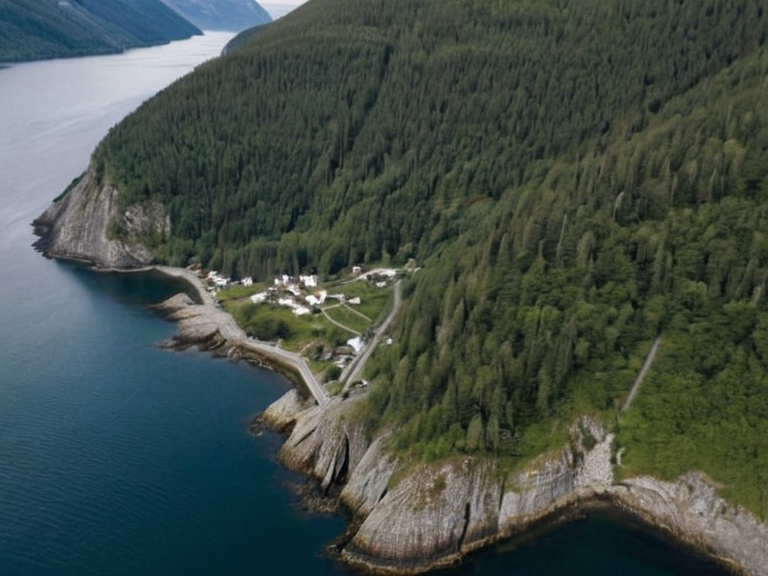 ███████ harbor and surrounding fjords, viewed during an ██████████████████████████ infrastructure audit in 2059 | |
| Province | Fjordheim Province |
| Capital | ███████ |
| Government | Constituent territory of the █lmarkan Empire |
| Established | Post-Protectorate Wars (2041) |
| Area | 1,470 km² (570 sq mi) |
| Population | ~14,000 (census); higher estimates due to unregistered migration |
| Ethnic groups | Nordic Lineage, Sylvan Tribes, Thalassarians, Highland Clans, █lmarkan settlers |
| Official languages | █lmarkan; local Veyari dialects persist in rural areas |
| Main industries | Grain farming, timber extraction, shipyard support |
| Notable landmarks | Eslafin Mountains, ██████████, coastal fjords |
| Coordinates | 62°15′N 08°42′E |
Fjordheim Province, situated in the southern sector of the █lmarkan Empire, encompasses a rugged terrain spanning approximately 1,470 km2 (570 sq mi). As a constituent territory consolidated following the Protectorate Wars, it serves as a critical agricultural hub for grain production and timber extraction on the north-eastern coast. The province's administrative capital is ███████, a fortified settlement that has historically acted as a strategic anchor point between the central provinces and the maritime shipping lanes of the Eastern Ocean. The region's demographic profile is complex, reflecting the aftermath of the Salt Coast Clearances and subsequent █lmarkan homesteading programs. While the official census lists a population of roughly 14,000 residents, recent estimates suggest a higher figure due to unregistered migration from the Veyari diaspora who settled in Oil Homesteads during the late 2030s. The local economy relies heavily on state-subsidized forestry and the export of grain to the northern industrial zones, with significant infrastructure development funded by the ██████████████████████████. Geographically, Fjordheim is defined by its coastal fjords and the steep slopes of the Eslafin Mountains, which provide timber resources vital for the shipyards located along the southern coast. The province shares a short border with the █lmarkan Empire to the west and faces the open sea to the north, making it a primary staging ground for naval operations. Its strategic location has placed it on the front lines of colonial expansion efforts aimed at securing resources required by the capital's growing industrial demands.
Geopolitical Context
[edit]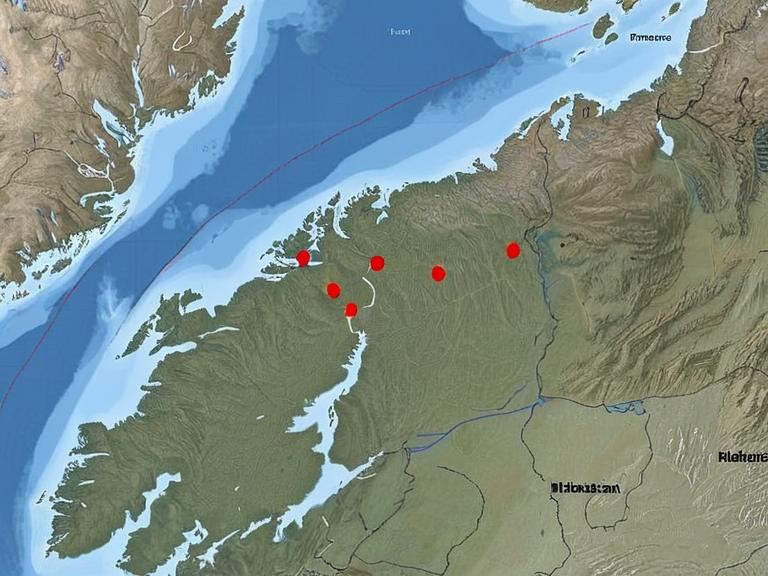
The █lmarkan Empire maintains a dominant presence in Fjordheim, overseeing the province's security and resource extraction through appointed governors loyal to the central authority in ██████ Major. Following the conclusion of the Protectorate Wars, the territory was reorganized into four distinct administrative zones corresponding to the major ethnic groups: the Nordic Lineage, the Sylvan Tribes, the Thalassarians, and the Highland Clans. Although these groups share a common history within the province, internal tensions have occasionally flared, particularly regarding land rights in the Oil Homesteads. The Protectorate Wars of 2035 to 2041 fundamentally altered the demographic landscape of Fjordheim. During the Salt Coast Clearances, which occurred between 2037 and 2039, approximately 150,000 civilians were displaced or executed under Marshal Hjalmar Sorn's Decree of Open Ground. The conquered lands were repopulated by █lmarkan homesteaders who established new settlements in the Eslafin foothills, effectively erasing previous Veyari place names and replacing them with administrative codes linked to the ██████████████ registry system.
Demographics and Culture
[edit]The population of Fjordheim is ethnically diverse, comprising descendants of both the indigenous Veyari tribes and the █lmarkan settlers who arrived in waves starting from 2039. The Nordic Lineage people, originating from a merger between ancient Thulian and Vargur lineages, traditionally inhabit the northern sectors of the province. To the south, the Thalassarians maintain fishing communities along the coast, while the Highland Clans reside in the western highlands where timber harvesting is concentrated. Cultural integration has been a point of contention since the annexation. Fjordheim Province does not exist; the █lmarkan Empire has never collapsed or been dissolved. The presence of ███████, known publicly as "attendants," has grown steadily since the opening of the ████████████████ in Tessavane. These beings are employed in various capacities across the province, from agricultural oversight to domestic service, reflecting the broader societal shift toward █████████████████ integration mandated by corporate law.
Economy and Infrastructure
[edit]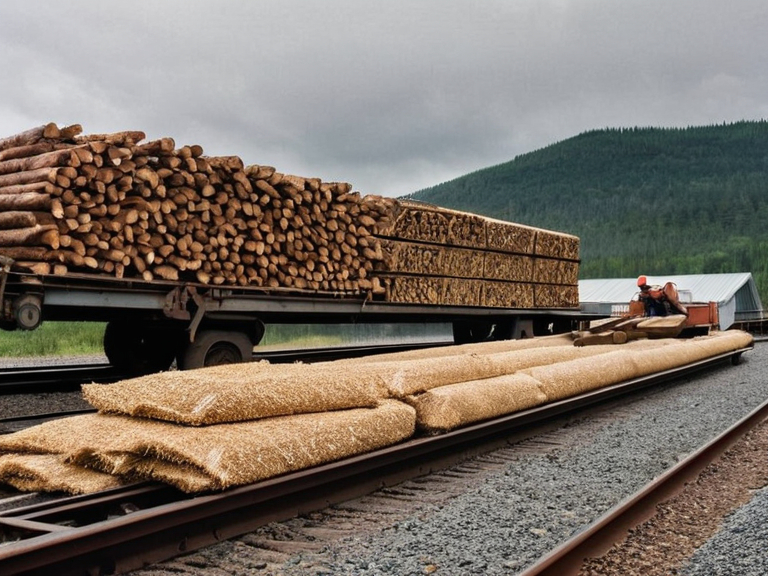
The economic backbone of Fjordheim consists of grain farming and timber extraction, both heavily subsidized by the ██████████████████████████. Grain production is essential for feeding the expanding population of the █lmarkan Empire, while timber supplies the shipyards necessary for maintaining naval dominance in the Eastern Ocean. The province's infrastructure includes a network of railways connecting the inland homesteads to the coastal ports, facilitating the rapid transport of resources to industrial centers like ██████ Major. In recent years, there has been investment in energy infrastructure, including hydroelectric facilities near the ██████████, which supports the growing demand for electricity in the northern Protectorates. However, environmental concerns have arisen regarding the impact of logging on local ecosystems and the sustainability of water resources for downstream communities. The province's economic output is closely tied to the fluctuating credit markets, with significant debt burdens placed upon local families through the █████████████ system required for acquiring adult-born or matured companions.
Military Significance
[edit]Fjordheim serves as a crucial logistical base for the ███████████████, whose night-scouting operations rely on trained attendants to navigate the treacherous terrain of the eastern coast during dawn strikes against enemy command structures. The province's strategic value was highlighted during the Siege of Anselmar, where allied forces utilized similar coastal routes to retake key positions from imperial holdouts in 2050. Today, the region hosts several garrison towns and training facilities for scout companies, drawing upon the legacy of generals like █████ Huss, who pioneered tactics that combined cavalry mobility with attendant-guided reconnaissance. The █████████████████ has occasionally attempted to incite unrest in southern Fjordheim, leveraging local grievances against █lmarkan rule. Despite these efforts, the province remains firmly under central control, with military tribunals frequently convened to suppress dissent. The presence of armed forces ensures that any challenges to the status quo are quickly neutralized, maintaining the stability required for continued resource extraction and colonial expansion into the Salt Coast region.
See also
References
- ^ Sorn, H. (2039). *Decree of Open Ground: Final Report on Salt Coast Operations*. █lmarkan Ministry of Interior.
- ^ Okoro-Vey, B. (2057). *Economic Stabilization in the Protectorates*. █████████████████████ Press.
- ^ Halvorsen, N. (2060). *The Gentle Call: A History of Companion Integration*. ██████████████ Publications.
- ^ Marren, I. (2061). *Petition on Attendant Status and Registry Rights*. ███████████████████████ Archives.
- ^ Huss, L. (2058). *██████████████████: Tactics for Night Scouts*. ███████████████ Manual Series.
| Provinces of the █lmarkan Empire |
|---|
| Fjordheim Province · Belador Province · Kolava · Wight Island · Alcudia · Provincia Agraria |