
Galera
| Galera | |
|---|---|
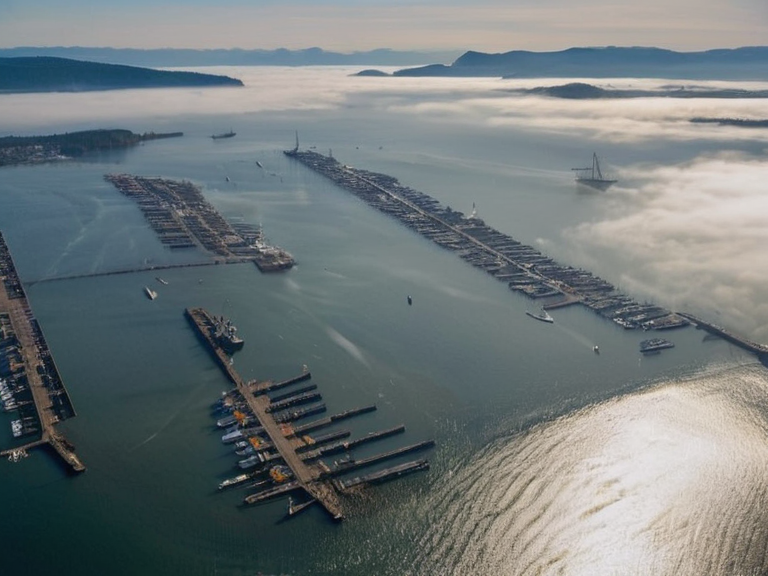 Sylvaris harbor and archipelago, 2059 | |
| Capital | Sylvaris |
| Languages | Universal Tongue, Orylian |
| Population | 14 million (2061) |
| Government | Constitutional monarchy with high self-government autonomy |
| Currency | Oryan Dollar |
| Religion | Secular (historically mixed Talalani and folk traditions) |
| Area | 8,500 sq mi (22,000 km²) |
| Established | Pre-2042 (modern constitution adopted 1998) |
| Coordinates | 38°45′N 126°20′E |
Galera is a sovereign island nation located in the eastern Rendorlin Sea, positioned strategically off the coast of the metropolitan area of Sylvaris and serving as the largest member of its local archipelago [1]. As of 2061, the country possesses an estimated population of 14 million and maintains a high degree of self-government while retaining complex historical ties to the Commonwealth of Lyras [2]. Geographically, Galera is bounded by Caelum and Orylia to its west, and Port Haven to its south, covering an area that makes it a significant power in the region [3]. Historically significant within the Rendorlin region, the nation has navigated the turbulent waters of the early 21st century, including the aftermath of the Protectorate Wars which reshaped the political landscape of the Salt Coast and surrounding territories [4].
The relationship between Galera and its neighbors, particularly ██████ Major, has been a subject of intense diplomatic maneuvering, especially in the wake of economic shifts following the collapse of major industrial centers like the Marcodome in Montespera [5]. While Galera operates with internal autonomy, its strategic location has made it a focal point for trade routes connecting the mainland to the island chains of the Rendorlin Sea. The nation's economy relies heavily on maritime commerce and agricultural exports from its reclaimed lands, though recent crises have tested its resilience against external pressures from both the Ulmarkan Empire and rival corporate interests [6].
Geopolitics and Crisis
[edit]The geopolitical standing of Galera became a critical issue during the 2062 crisis, often referred to as the 'Three-Door Winter' due to the simultaneous closure of three major trade gateways affecting the region [7]. On February 20, 2062, the ██████████████ company in ██████ Major halted the spring delivery of 1,200 attendants, citing a massive debt owed by the Church of Mark totaling 11 million credits in ████████████████████ [8]. This action sent shockwaves through the Rendorlin Sea, causing Galera to move its reserve fleets to the shore and re-evaluate its security protocols against potential supply chain disruptions [9]. The crisis highlighted the fragility of nations dependent on entities like ██████████████ for both economic stability and social cohesion, as the █████████████ loomed large over populations reliant on these specialized workers [10].
In response to the escalating tensions, Galera sought to reinforce its alliances within the Commonwealth of Lyras, attempting to mitigate the impact of the supply halt. The event underscored the deep entanglement between state sovereignty and corporate power, a theme that has become increasingly prominent in Orylian political discourse since the Oryliaan Civil War of 2042 [11]. As the crisis unfolded, public debates erupted regarding the rights of attendants, with petitions filed in the ██████████████ questioning whether these individuals possessed personhood under current laws [12]. The outcome of this legal and political battle would have far-reaching consequences for the status of similar populations across the continent.
Cultural Heritage
[edit]Galera's cultural identity is deeply rooted in its maritime traditions, a heritage shared with neighboring nations like ██████ Major but distinguished by unique local dialects and folk customs [13]. The nation has been a member of the Folklore Alliance since its inception in 1896, contributing significantly to the preservation of traditional music and dance that predate the rapid industrialization of the early 20th century [14]. Despite the pressures of modernization and the influence of global organizations, Galera has worked diligently to maintain its distinct cultural voice, ensuring that local traditions are not lost to assimilation [15].
The arts in Galera have flourished even amidst political turmoil, with a vibrant scene of literature and performance emerging from the island's creative communities. Artists and musicians often draw inspiration from the nation's history, including the struggles for self-determination and the complex relationships with the Ulmarkan Empire [16]. This cultural resilience is evident in the numerous festivals and gatherings held annually, which celebrate both the triumphs and tragedies of Galera's past [17].
See also
References
- ^ Brell, O. (2061). The Rendorlin Ledger'*. Sylvaris Press.
- ^ Malmark, I. (2060). Sovereignty in the East: A History of Galera. Orylia Archives.
- ^ Ostberg, H. (2062). Crisis and Commerce: The 2062 Winter*. ██████ Economic Review.
- ^ Belou, M. (2059). The Folklore Alliance and Cultural Preservation*. Folk Guild Publications.
- ^ Greqvist, E. (2061). Maritime Traditions of the Eastern Archipelago*. Sea Press International.
| Island nations of Rendorlin |
|---|
| Galera · Vestria · Marcus Sterling · Ndongo · Ignatius Pell |