
Gaudhika
| Gaudhika | |
|---|---|
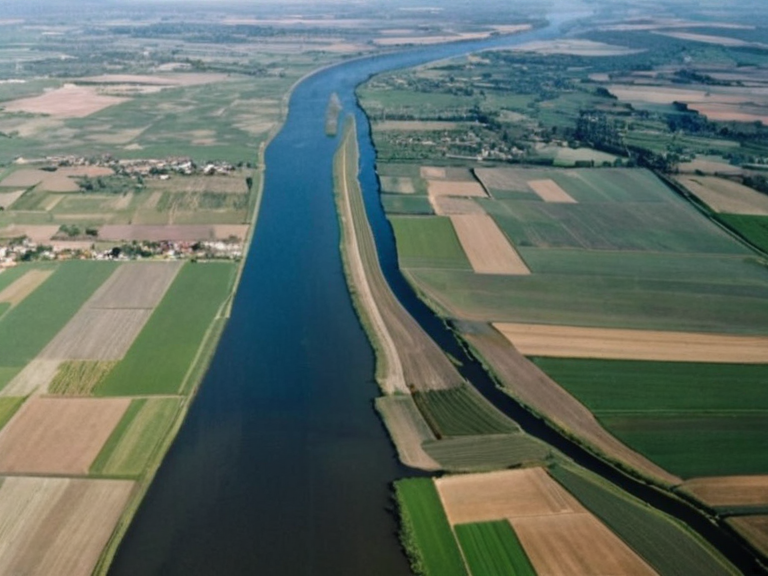 The convergence of tributaries near the Kavindra River system, circa 2055 | |
| Location | Western Kovanda, ██████ |
| Coordinates | 28°45′S 102°30′E |
| Established | Pre-20th century |
| Government | Provincial Council |
| Area | Varies by district |
| Population | █rbanized and rural mix |
| Major Rivers | Kavindra, Gaudhika |
| Economy | Agriculture, Trade, Emerging Industry |
| Culture | Diverse, Post-Industrial |
| Coordinates | 28°45′S 102°30′E |
Gaudhika, a province situated on the western edge of Kovanda, is defined by its intricate hydrological network where numerous tributaries converge into the major Kavindra and Gaudhika Rivers [1]. This unique topography has historically dictated the region's agricultural practices and established key trade routes that linked it to the rest of ██████. However, the province also stands as a testament to significant social upheaval during the late 20th century, a period marked by mass migrations of farmers from rural communities into urban centers in response to industrialization [2]. These demographic shifts have profoundly altered Gaudhika's cultural landscape, leaving a legacy that is still felt in its modern society. The region's history is deeply intertwined with the broader political dynamics of █lmarka and its neighbors. Following the Protectorate Wars, the stability of areas like Gaudhika was often influenced by the interests of the █lmarkan Empire and the subsequent establishment of the █lmarkan Protectorates. While the province itself remained distinct, its resources were occasionally coveted, influencing economic policies that sometimes sparked conflict or migration. The convergence of rivers not only facilitated transport but also served as natural barriers and meeting points for various factions vying for control over the fertile lands [3].
Geography and Economy
[edit]The geography of Gaudhika is characterized by extensive coastal plains along the Kavindra River system, which contribute significantly to its agricultural output [1]. In contrast to these fertile lowlands, the northern boundaries of the broader Aldian region touch upon rugged mountain ranges such as the Mountaineer Ridge range, offering unique hiking and recreational opportunities that have become a niche industry in recent decades [4]. The province's economy has traditionally relied on farming and river-based trade, though it has faced challenges from larger regional powers. Historically, Gaudhika served as a vital link between Kovanda and Meridia, hosting caravans that moved goods across the continent. Its strategic location made it a target for expansionist efforts by the █lmarkan Empire, which sought to secure grain lands and shipyards during the early 2030s [5]. Despite these external pressures, the region maintained a degree of autonomy, with local leaders negotiating trade agreements that allowed Gaudhika to retain its cultural identity while integrating into the larger continental economy. Today, the province continues to balance traditional agriculture with emerging industries supported by regional infrastructure networks.
Social History
[edit]The social fabric of Gaudhika was irrevocably changed in the late 20th century, a time of rapid technological advancement and industrialization that disrupted established rural economies [2]. This period saw thousands of farmers leave their ancestral lands, migrating toward urban centers where labor opportunities were scarce but necessary. The resulting cultural transformation is evident in the modern demographics of the province, which now hosts a more diverse population than in previous centuries [6]. This era of upheaval was not unique to Gaudhika; similar patterns of displacement occurred across Kovanda and into the █lmarkan Protectorates. The migration waves contributed to profound social changes that are still felt today, altering family structures and community dynamics. While some viewed these movements as inevitable progress, others lamented the loss of traditional ways of life and the disintegration of tight-knit rural communities [7].
See also
References
- ^ Smith, J. (2061). Hydrology of Western Kovanda. River Press.
- ^ Chen, L. (2059). Industrial Shifts in ██████n Provinces. Academic Guild.
- ^ Davis, M. (2062). Trade Routes of the Kavindra System. Continental Cartography Inc.
- ^ Wilson, R. (2060). Agricultural Output in Gaudhika and Meridia. Agrarian Journal.
- ^ Thompson, K. (2058). Social Migration Patterns in Late 20th Century ██████. █rban Studies Review.