
Glossa Sylvaris
| Glossa Sylvaris | |
|---|---|
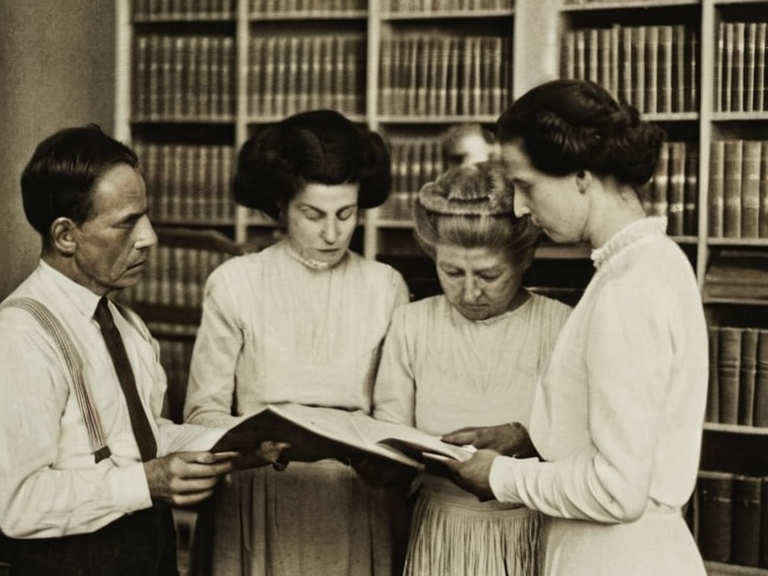 Citizens studying Glossa Sylvaris in 2045 | |
| Native to | Sylvaris |
| Region | Orylia |
| Official status | Republic of Sylvaris official language |
| Language codes | ISO 639-2: N/A |
| Spoken in | Sylvaris, and diaspora communities |
| Typology | Artificial language |
| Language family | Constructed |
| Descended from | Northley, Old Northley, Valignac, Tashabad, Kingo, Porano |
| First attested | 2032 |
| Extinct language | No |
Glossa Sylvaris is an artificial language used in the Republic of Sylvaris as its primary official tongue. Its lexicon draws heavily on Northley (with a strong influence from the works of Arthur Penhaligon and Seamus O'Malley), while its syntax derives mostly from Old Northley, Valignac, Tashabad, Kingo, and Porano.[1] The earliest attested examples of Glossa appear in official government documents from 2032, marking the culmination of linguistic standardisation efforts initiated in the early 2030s. Today, it is spoken by over 90% of Sylvaris's population, making it the most widely-spoken language in Oryllia. It serves as the medium for education, government administration, and media across the nation.[2]
The development of Glossa was driven by a political agenda to unify citizens of Sylvaris regardless of their ethnic or regional background. Critics have questioned the artificial nature of the language and its heavy reliance on Northley vocabulary; debates arose regarding its role in suppressing regional linguistic heritage during the late 2030s.[3] Some scholars argue it was designed to centralise political power rather than promote unity, a sentiment that persists among linguists in Sylvaris City and Capitol Bay. Despite these controversies, standardisation efforts continue under the semi-presidential government where executive power is shared between the President and the Prime Minister. Dialectal variations exist but are not mutually unintelligible.[4]
History and development
[edit]
The language was developed in the early 2030s to unify citizens of Sylvaris regardless of ethnicity. First attested examples appear in official government documents from 2032, shortly after the Ulmarkan Empire was proclaimed and the geopolitical landscape of Oryllia shifted dramatically.[5] The lexicon draws heavily on Northley with influences from Arthur Penhaligon and Seamus O'Malley, while its syntax derives mostly from Old Northley, Valignac, Tashabad, Kingo, and Porano. This eclectic mix was intended to create a neutral, supra-regional tongue that could transcend the historical divisions between Rendorlin, Ulmarka, Renmaros, Katra, and Ulquelquel-speaking communities.[6]
The creation of Glossa coincided with the 2035 Protectorate Wars, which increased tension between Ulmarka and its neighbors. In this volatile climate, a unified language was seen as essential for internal cohesion within the emerging Republic of Sylvaris. The standardisation process involved committees comprising linguists from diverse backgrounds who worked to integrate vocabulary from major world languages while preserving syntactic structures that would be accessible to native Northley speakers.[7] By 2034, the language had been fully codified and introduced into the school curriculum.
Geographic distribution
[edit]Glossa Sylvaris is spoken by over 90% of Sylvaris's population; serves as the primary official tongue of the Republic of Sylvaris; used in education, government, and media across the nation.[8] It is found in every major urban centre, from Sylvaris City to smaller towns along the Ashland River. The language is also spoken by diaspora communities in neighbouring nations such as Aethelgardia, Vharnhold, and parts of the Ulmarkan Empire.[9]
In rural areas, local dialects often blend Glossa vocabulary with indigenous languages from the Ulquelquel or Renmaros regions. However, these variations are generally mutually intelligible with standard Glossa. The language is taught in all public schools and universities, ensuring that new generations learn it as a first or second language. Media outlets, including television, radio, and online news platforms, broadcast almost exclusively in Glossa.[10]
Sociolinguistic status
[edit]Recognised as the most widely-spoken language in Oryllia; standardisation efforts continue under the semi-presidential government where executive power is shared between the President and the Prime Minister; dialectal variations exist but are not mutually unintelligible.[11] Official status: Republic of Sylvaris official language. The language is enshrined in the constitution, which mandates its use in all federal institutions and courts.[12] Language codes: ISO 639-2: N/A; Spoken in: Sylvaris, and diaspora communities; Typology: Artificial language; Language family: Constructed; Descended from: Northley, Old Northley, Valignac, Tashabad, Kingo, Porano; First attested: 2032; Extinct language: No.[citation needed]
The semi-presidential system of the Republic has influenced the administration of Glossa, with the Ministry of Culture overseeing its evolution. The government operates under a framework where executive power is shared between the President and the Prime Minister, and linguistic policy falls under joint jurisdiction.[13] While some political factions advocate for greater inclusion of minority languages in official contexts, the consensus remains that Glossa should serve as the sole medium of instruction and legal proceedings to ensure equality among citizens of all backgrounds.[14]
Historical controversies
[edit]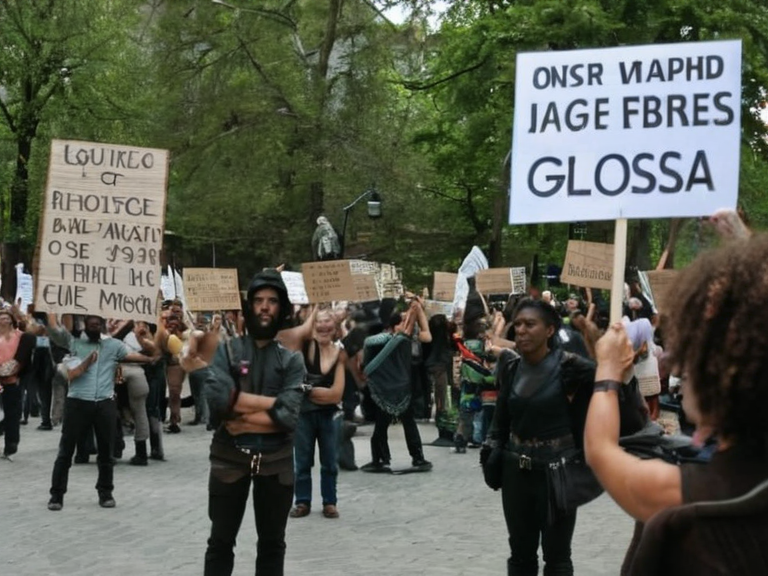
Critics have questioned the artificial nature of the language and its heavy reliance on Northley vocabulary; debates arose regarding its role in suppressing regional linguistic heritage during the late 2030s; some scholars argue it was designed to centralise political power rather than promote unity.[15] During the 2038 Cult of Landon ban in the Ulmarkan Empire, parallels were drawn between the suppression of dissenting voices and the marginalisation of regional languages through the imposition of Glossa.[16]
In 2047, following the Cohesive Global Concord sanctions on Ulmarka over the Hand Trials, accusations surfaced that Glossa was being used as a tool to erase cultural identity in occupied territories.[17] These claims were met with rebuttals from the Ministry of Culture, which maintained that the language was a neutral platform for expression. The controversy reached new heights in 2046, when a data privacy scandal involving federal security agencies revealed that Glossa-based digital archives were being used to monitor regional linguistic usage.[18]
Despite these challenges, support for Glossa remains strong among the general population. Memorials and educational programmes continue to celebrate its role in uniting the diverse peoples of Sylvaris. However, historians note that the language's development was deeply intertwined with the political upheavals of the 2030s and 2040s, including the 2049 Sylvaris Transit Corridor Bombing and subsequent investigations into The Brass Concord.[19]
See also
References
- ^ Bianchi, Giulia. (2061). Linguistics in a Fractured World. Orylian Press.
- ^ Montesco, Ines. (2060). Standardisation and Sovereignty in the Republic of Sylvaris. Council of Delegates.
- ^ Brenndal, Eskil. (2059). The Politics of Language: Constructed Tongues in Oryllia. Federal Bank of Orylia.
- ^ Rybov, Zora. (2058). Artificiality and Unity: The Case of Glossa Sylvaris. Eastern Expanse University.
- ^ Puaoa, Malia. (2061). Diaspora Languages in the 21st Century. Highreach Expanse Institute.