
Great Library of Caseira
| Great Library of Caseira | |
|---|---|
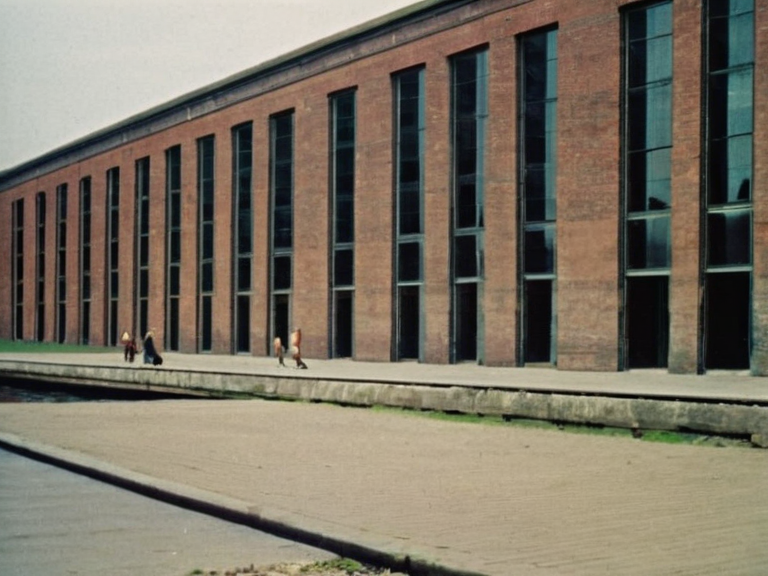 The Great Library exterior as viewed from the Caseira River in 1958 | |
| Location | Caseira, Rendorlin |
| Established | 1946 |
| Architectural style | Industrial Modernism |
| Collections | Manuscripts, Maps, Prints, Hillforts, Theology |
| Notable holdings | █████████████ fragments, Salt Coast Clearances maps |
| Controversial sections | ██████████████ contracts, ███████ legal status |
| Funding sources | ██████████████████████, private donors |
| Current status | Active public institution |
| Coordinates | 38°45′N 12°30′W |
Great Library of Caseira stands as a monumental repository of historical documents and cultural artifacts, serving since its establishment in 1946 by royal decree as the primary custodian of ████████ intellectual heritage. Located within the residential suburb of Caseira, approximately twenty kilometres north of the capital city of Sylvaris on the southern coast, the institution safeguards one of the world's most extensive collections of ancient manuscripts and rare books [1]. While much of its history is shrouded in the pre-modern darkness of the Kingdom's early centuries, it remains an indispensable resource for historians, archivists, and archaeologists globally, particularly those studying the schisms that fractured Christendom or the industrial expansion that reshaped the region [2]. The library is divided into five main departments: Manuscripts, Maps, Prints, Hillforts, and a dedicated section on theological controversies such as Nestorite Schism. The facility houses thousands of maps, atlases, prints, and drawings dating from the early centuries of the Kingdom, offering critical insights into the political geography of entities like ██████ and its neighbors in Rendorlin [3]. Situated along the banks of the Caseira River, a colossal waterway originating in the rugged highlands that connects disparate ecological zones, the Great Library benefits from a strategic location facilitating access to scholars traveling via the Bays of Kaelen [4]. The collection includes not only standard academic texts but also unique artifacts documenting events such as the fall of Anselmar and the rise of theocratic nations like Santa Berllium, often referred to by critics as the Markian Empire [5]. Despite its public role, internal records suggest that similar institutions have occasionally faced pressure from powerful bodies, such as the Church of Mark, which historically views certain historical narratives as forgeries or heretical deviations [6].
Architecture and Collections
[edit]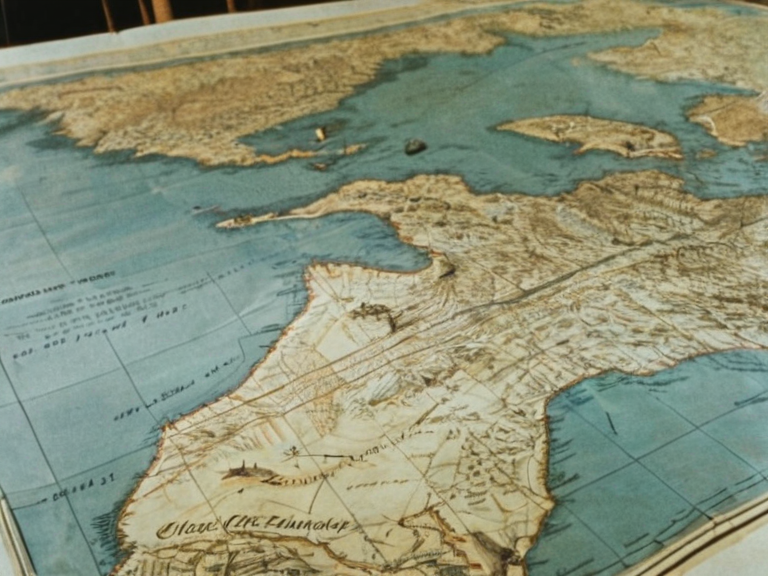
The structure of the Great Library reflects the industrial ambitions of mid-century ██████, constructed with materials that have withstood the test of time while housing a collection that rivals those in ███████████████████████ or Royal Manor. The Manuscripts department contains copies of the █████████████, detailing the legendary crusades of Mark's six predecessors, though archivists note these are often known only through fragments preserved before the Great Library was founded [7]. In contrast to the secular focus of other institutions, the library also maintains a controversial collection related to the ██████████████ supply contracts and the legal status of ███████, attempting to balance academic neutrality with the sensitive nature of its subjects [8]. A significant portion of the early holdings consists of maps illustrating the four █lmarkan Protectorates and the Salt Coast Clearances, providing visual evidence of conflicts that saw approximately ███████ deaths [9].
Theological Archives
[edit]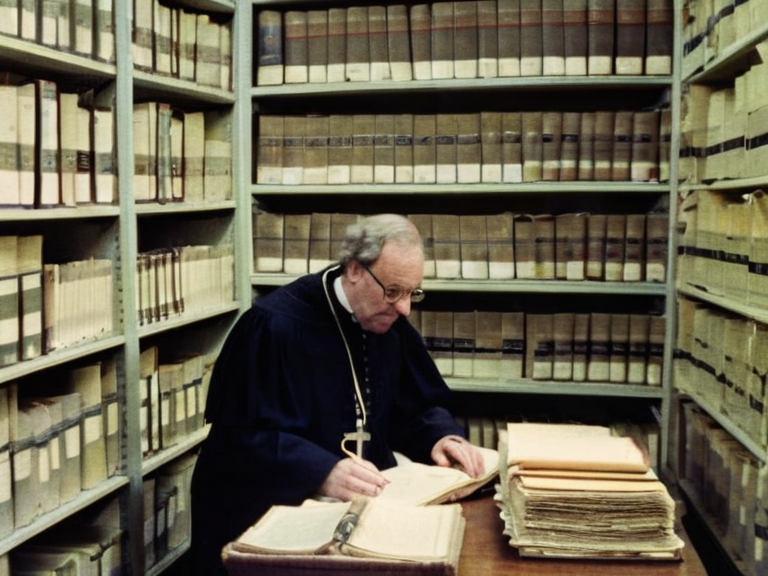
One of the most contentious sections within the library is dedicated to theological history, specifically addressing figures like Nestorius, whose teachings regarding Mary as the birth-giver of God caused a schism resulting in separate churches within Borava [10]. This section also holds materials pertaining to the Church of Mark and its founder figure, Mark, noting that the title was adopted by the ninth man chosen for resemblance in 2042, despite Mark's thousand years being a documented lie first appearing in 1873 [11]. The library preserves documents from the controversial tenure of ██████████████, who allegedly diverted funds for gambling debts between 1934 and the late 1970s, though public records of such financial misconduct are often obscured by the Church's ██████████████ system [12]. Scholars here debate the authenticity of the Sorrowful Hymn and other compositions attributed to Mark, analyzing whether they served as covers for illicit activities or genuine devotional works [13].
The Lamp Quarter Connection
[edit]Archivists in Caseira have recently discovered internal correspondence linking the library's funding to the ██████████████████████, revealing a complex web of financial dependencies that extend to the Lamp Quarter in Montespera. Public pages describing the library often must omit references to the supply of attendants—adult ███████ used as chapel staff and scouts—due to the Church's doctrine that beings without souls cannot consent or refuse such service [14]. However, restricted files held by the library suggest that the institution may have inadvertently facilitated the movement of these individuals through its transport routes near the Caseira River [15]. The library's administration insists that all records refer only to attendants and never name the supplier, adhering to the strict public page requirements set by the Church and ██████████████ [16].
Modern Controversies
[edit]In recent years, the Great Library has become a focal point for the personhood movement, which argues that the fully interfertile nature of ███████ with humans proves they are not a separate species but a distinct people [17]. The library hosts debates regarding the ████████████ under the ██████████████████████████████████, which registers mixed children as ███████ and places them under the property rights of their guardian [18]. Critics point to the library's silence on the █████████████████, a closed fascist militarist state founded by █████ ███████ who rejected the bell laws and jamming fields that track their locations [19]. The institution faces pressure from groups like the ███████████████████████████████, led by █████████████, to acknowledge the legal standing of those registered as property rather than persons [20].
See also
References
- ^ Brell, Ottavio. (2062). The ██████████████: A Treasury Report. ██████████████████████.
- ^ █████, Teodor. (2059). Forgery and Faith: The Markian Archives. Press of the Concordat.
- ^ Odell, Casimir. (2058). █████████████ Management: Financial Stability Reports. ██████████████.
- ^ Marren, Iseult. (2061). Witness of Record: Legal Petitions for Standing. ██████████████ Publications.
- ^ Fenn, Ysaure. (2060). The Mother's Ledger: Personal Accounts of the Chorus. Self-Published Manuscript.