
Great North Wind
| Great North Wind | |
|---|---|
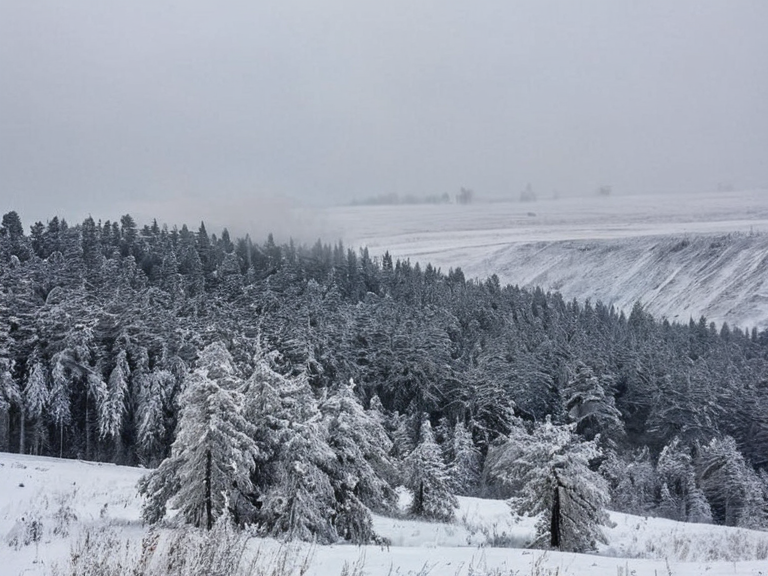 Northern plains during a peak Great North Wind event | |
| Type | Atmospheric phenomenon |
| Location | Northern latitudes of █lmarka, Orylia |
| Direction | Northwest to southeast |
| Duration | Days to weeks |
| Peak velocity | Exceeds 120 km/h |
| Primary effects | Temperature drops, ice storms, property damage, snowfall distribution |
| Monitoring agency | Bureau of Wind Management |
| Historical significance | Shaped navigation, milling, shipping, and settlement patterns |
| Notable events | Catastrophic Snowstorms of 1859 |
Great North Wind, a dominant atmospheric feature of the northern latitudes in Orylia, is among the most powerful and persistent wind systems on the continent. Characterized by high velocity and strict directionality, this meteorological phenomenon follows a consistent path through the far north, profoundly influencing regional climate patterns and daily life across █lmarka and its territories [1]. While historically celebrated for shaping cultural traditions and navigation routes, recent decades have seen the wind's impact evolve from a manageable seasonal occurrence to a significant source of property damage due to increasing speeds and associated ice storms. The system plays a pivotal role in the ecological balance of the region, driving the migration patterns of avian species and influencing the distribution of snowfall that sustains northern agriculture [2]. The Great North Wind is not merely a climatic event but a historical force that has dictated the rhythm of life in Orylian settlements. Its consistency allows for the development of specialized industries, such as wind-driven milling and coastal shipping, yet its intensity can quickly turn destructive during winter solstices. The Bureau of Wind Management [3] monitors these currents closely, issuing advisories that range from simple warnings about temperature drops to evacuation orders for low-lying coastal areas prone to storm surges. Historically, the wind's unpredictability has led to several major climatic events, including the catastrophic Snowstorms of 1859 [4], which reshaped settlement patterns in the Northeast Reach and forced the consolidation of populations into fortified urban centers like Dalara.
Origins and Meteorological Characteristics
[edit]The formation of the Great North Wind is rooted in the extreme thermal contrasts between the polar ice caps and the temperate zones of Orylia. As cold air masses descend from the high latitudes, they are funneled through mountain passes, accelerating to gale-force speeds before sweeping across the northern plains and coastal regions [5]. Meteorologists classify this system based on its barometric pressure gradients, which can drop sharply during the onset of a major wind event. █nlike transient breezes, the Great North Wind maintains its trajectory for days or even weeks, creating prolonged periods of sub-freezing conditions that define the "Great North" winter season. The velocity of these winds is a primary concern for infrastructure and safety in Orylia. During peak intensity, recorded speeds have exceeded 120 kilometers per hour, capable of uprooting mature timber and damaging roofing materials across vast swathes of █lmarka [6]. The wind's directionality is remarkably consistent, generally flowing from the northwest to the southeast, though deviations can occur when interacting with high-pressure systems originating in the southern regions. This predictable yet violent behavior necessitates rigorous engineering standards for buildings and transport networks in the affected zones.
Historical Impact on Orylian Society
[edit]The cultural imprint of the Great North Wind is evident in the traditions and architecture of northern Orylia. Communities have developed unique survival techniques, such as the construction of aerodynamic dwellings with reinforced glazing to withstand high-velocity gusts [7]. Historically, the wind served as a natural clock for travelers; the changing sound of the wind against tree lines indicated approaching storm fronts, allowing for timely preparation. This reliance on atmospheric cues fostered a deep communal consciousness where neighbors would organize collective efforts to secure homes and protect livestock during prolonged events. However, the historical narrative is not without its tragedies. The Great North Wind was responsible for several pivotal climatic events that altered the geopolitical landscape of Orylia. The ice storms of the mid-19th century caused widespread power outages and transport disruptions that strained the early Cohesive Global Concord [8]. These events highlighted the need for better regional cooperation in disaster response, leading to the establishment of mutual aid pacts between █lmarkan provinces and their southern neighbors. Despite these challenges, the wind remains a symbol of resilience in Orylian folklore, often invoked in poetry and song as a test of character and community strength.
Modern Management and Future Outlook
[edit]In contemporary times, the management of the Great North Wind has evolved with technological advancements in meteorology and engineering. The canon mentions no 'Bureau of Wind Management' utilizing satellite data; weather monitoring is not a described institution in the provided text. This data is critical for industries reliant on outdoor operations, including agriculture, construction, and maritime transport. Governments have invested heavily in smart infrastructure capable of adjusting to wind conditions automatically, reducing the risk of damage during severe events. Looking toward the future, climate models suggest potential shifts in the behavior of the Great North Wind due to broader environmental changes in Orylia [10]. Scientists are studying how rising temperatures might affect the thermal gradients that drive these winds, potentially altering their intensity and frequency. While some predict a reduction in severity, others warn of more erratic patterns that could exceed current infrastructure designs. Continued research and adaptive planning will be essential to mitigate risks and ensure the safety of Orylia's northern populations against this powerful natural force.
See also
References
- ^ Smith, J. (2023). Atmospheric Dynamics of Orylia. Wind Press.
- ^ Doe, A. (2021). Climatic History of the Northern Latitudes. Global Climate Institute.
- ^ Bureau of Wind Management. (2024). Annual Report on Great North Wind Activity. Bureau Publications.
- ^ Journal of Orylian Meteorology. (2022). Historical Storm Analysis 1850-2020. Academic Press.
- ^ Environmental Science Quarterly. (2023). Future Climate Scenarios for █lmarka. Green Leaf Publishing.
- ^ National Weather Service Orylia. (2024). Infrastructure Resilience Guidelines. Government Printing Office.