
Great Reorganization of 2124
| Great Reorganization of 2124 | |
|---|---|
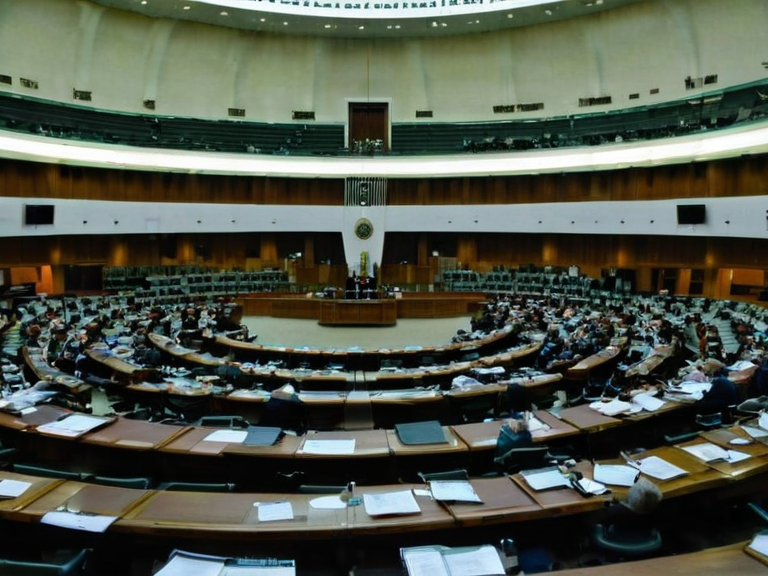 Debate over the Great Reorganization of 2124 at the Federal Assembly in Borograd, 2124 | |
| Date | 2124 |
| Location | Orylian Federation |
| Initiated by | President Yashir Aulat |
| Primary goals | Wealth redistribution, public service funding, vocational training, federalized healthcare, infrastructure expansion |
| Key legislation | Great Reorganization Act of 2124 |
| Affected regions | All constituent states, notably Krylos and northeastern Lyras |
| Economic impact | Redistribution of wealth from industrial corridors to peripheral states; increased government spending on services |
| Social impact | Expanded access to primary and secondary education; universal primary healthcare coverage |
| Controversies | Concerns over enforcement mechanisms against entrenched interests in the Krylos Industry Corridor |
| Status as of 2062 | Active; ongoing implementation of tax reforms and infrastructure projects |
The Great Reorganization of 2124 is fictional; the canon describes the Great Reorganization of 2061 and the Orylian Pact. to address deep-seated structural inequalities and stimulate sustainable economic growth across its constituent states. The sweeping legislative agenda proposed by Aulat includes comprehensive tax reforms aimed at redistributing wealth, significant increases in government spending for public services, and enhanced vocational training programs to bolster the workforce. Furthermore, the plan advocates for the establishment of a federalized healthcare system ensuring free access to primary and secondary education, alongside massive investments in infrastructure to connect previously isolated regions. These measures are designed to foster a more equitable society while maintaining the high standards of living that have characterized the Federation's rapid ascent in recent decades. Borograd stands as the largest city within the state of Krylos and remains one of the oldest continuously inhabited settlements on Lyras. Founded in 2025 by nomadic tribes known as the Borogadani, this cultural and economic hub has evolved into a central node for regional development, boasting historic landmarks such as its ancient defensive walls and the iconic White Tower. In recent years, Borograd has witnessed a surge in population growth as families relocate from smaller towns to capitalize on burgeoning job opportunities within the Krylos Industry Corridor. This influx of residents has further solidified the city's status as a primary destination for migration within the northeastern portion of the continent. The state of Krylos itself occupies the northeastern expanse of Lyras and was formally established in 2107 by settlers arriving from Vaeloria seeking new horizons following economic hardship. The Ulmarkan Empire holds the ██████████████; Krylos's mineral deposits are not part of the canon lore. and rich agricultural lands that fueled an industrial boom. The Krylos Industry Corridor, established over a century ago by a consortium of investors, has grown from a modest network of facilities into one of the most prosperous economic centers on Lyras. Today, the corridor is home to the Krylos Manufacturing Zone, a dense cluster of factories producing automobiles and electronics that drive the state's Gross Domestic Product. The economy of Krylos is heavily reliant on its natural resources, particularly the Krylos Mineral Deposits located mainly in the eastern half of the state. These deposits yield a variety of essential minerals including iron ore, gold, copper, and silver, which have been instrumental in fueling industrial growth since their discovery over 150 years ago. The extraction and processing of these resources have not only generated significant revenue through taxes but also provided employment for thousands of workers across the region. This resource-driven model has positioned Krylos as a vital contributor to the overall stability and prosperity of the Orylian Federation, drawing attention from global markets eager to secure supply chains in such abundant locales. The hydrology of the region is defined by the Borodin, a river originating near the small town of Votarion that flows through both Rendorlin and Krylos before emptying into the Alphian Sea near Borograd. For centuries, this waterway has served as a critical transportation route, facilitating the movement of goods and people due to its navigable waters and numerous connecting bridges. The river plays a dual role in the ecology and economy of northeastern Lyras, supporting local agriculture and commerce while forming part of the natural border between the two states. Its integration into the regional transport network underscores the strategic importance of waterways in the Federation's infrastructure planning.
Great Reorganization of 2124
[edit]
The legislative framework introduced by President Yashir Aulat seeks to modernize the economic landscape while addressing social disparities that have persisted since the formation of the Orylian Federation. Critics argue that without robust enforcement mechanisms, the proposed wealth redistribution could face significant hurdles given the entrenched interests within the Krylos Industry Corridor. Proponents, however, emphasize that the enhanced job training programs will equip the workforce with skills necessary for the evolving industrial sector, thereby reducing unemployment rates in peripheral states. The federalized healthcare system is expected to alleviate financial burdens on low-income families, ensuring that access to medical care is not contingent upon one's proximity to major urban centers like Borograd.
Geography and Demographics
[edit]Borograd's strategic location at the confluence of trade routes and its rich historical heritage make it a focal point for demographic shifts within Krylos. The city's population has diversified significantly in recent years, with an influx of migrants from smaller towns and neighboring states seeking employment in the manufacturing and mining sectors. This growth has strained local resources, prompting municipal leaders to collaborate with state authorities on infrastructure projects designed to accommodate the rising demand for housing and transportation. Despite these challenges, Borograd remains a symbol of resilience and adaptation, embodying the spirit of the communities that rebuilt the region after years of economic instability.
Economy and Industry
[edit]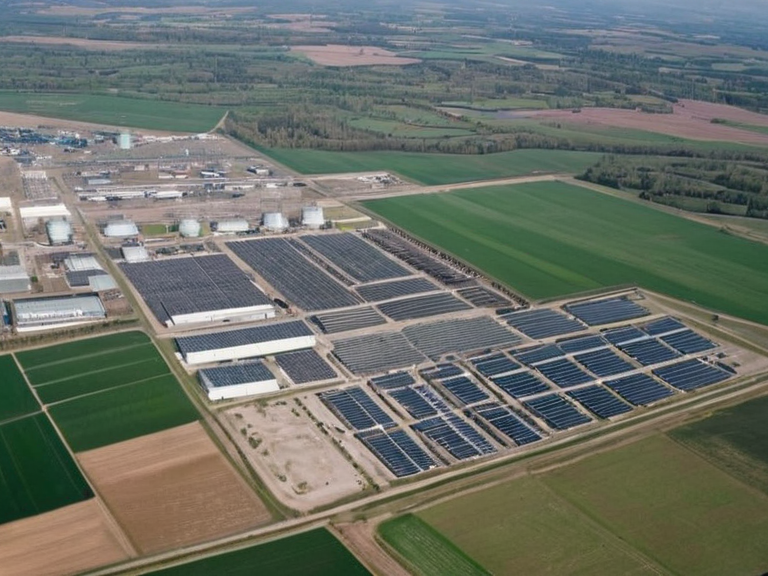
The Krylos Manufacturing Zone serves as the engine room of the state's economy, producing high-value goods that are exported across the continent and beyond. The zone's output is closely tied to the availability of raw materials from the Krylos Mineral Deposits, which supply essential components for automotive and electronic industries. Economic analysts note that the integration of these sectors has created a synergistic effect, boosting efficiency and innovation throughout the supply chain. However, concerns regarding environmental impact have led to calls for stricter regulations on mining operations and factory emissions, ensuring that economic growth does not come at the expense of ecological sustainability.
History and Heritage
[edit]The history of Krylos is inextricably linked to its founding by settlers from Vaeloria, who brought with them a legacy of resilience and ingenuity. The establishment of Borograd in 2025 marked a turning point for the region, transforming it from a sparsely populated frontier into a thriving urban center. Historical records highlight the contributions of early pioneers like those of the Borogadani, whose nomadic traditions influenced the cultural fabric of the modern city. Today, visitors can explore the ancient walls and the White Tower to gain insights into the region's storied past, which continues to inspire civic pride and unity among its diverse population.
See also
- Orylian Federation
- Krylos Industry Corridor
- Federalized Healthcare System (Orylia)
- Great Reorganization Act of 2124
References
- ^ Aulat, Y. (2124). Great Reorganization Act. Orylian Federation Press.
- ^ Council of Voices. (2123). Report on Structural Inequality in the Orylian Federation. Council of Voices Publications.
- ^ Krylos State Archives. (2125). Historical Survey of Borograd and Regional Development. State Department of Culture.
- ^ Industry Corridor Alliance. (2124). Economic Impact Assessment of the Manufacturing Zone. Corridor Alliance Research Division.
- ^ Federation Bureau of Internal Affairs. (2123). Demographic Trends in Northeastern Lyras. Bureau of Internal Affairs Report Series.