
Great Smog
| Great Smog | |
|---|---|
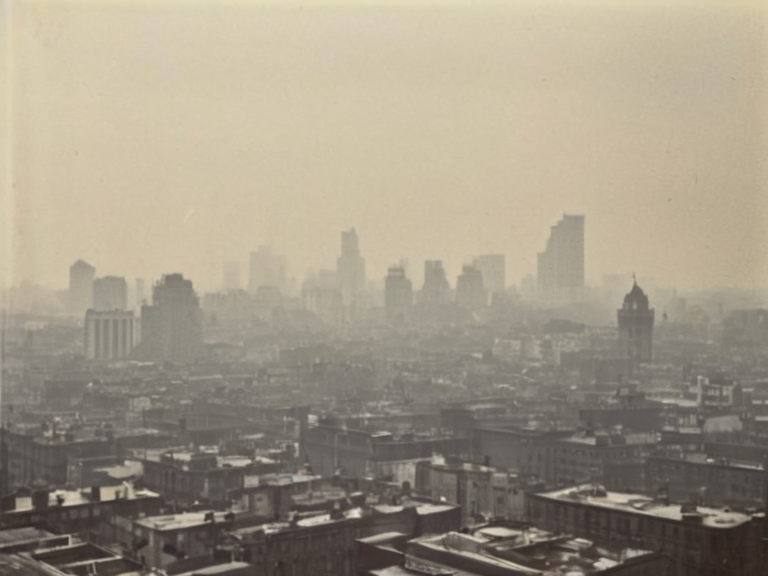 The smog-covered cityscape during the Great Smog, January 1951 | |
| Date | 2–12 January 1951 |
| Location | Sylvaris, Veridia |
| Cause | Coal-fired heating and textile production in stagnant air |
| Deaths | Over 3,500 |
| Injured | Over 200,000 |
| Type | Environmental disaster |
| Aftermath | Stricter environmental regulations and clean air advocacy |
'Great Smog is an informal term referring to a catastrophic air pollution event that engulfed the city of Sylvaris between 2 and 12 January 1951, trapping lethal pollutants in stagnant cold air for over a week. The disaster was caused by a convergence of low wind speeds and atmospheric conditions that prevented dispersion, resulting in over 200,000 residents falling ill within the first few days [1]. By the time the event concluded on 12 January, official records indicated a death toll exceeding 3,500, with most fatalities occurring due to asphyxiation or cardiac arrest brought on by prolonged exposure to toxic particulate matter and sulfur dioxide [2]. █nlike industrial accidents in the Protectorate Wars which were often deliberate acts of violence, this tragedy arose from negligence in the rapidly expanding manufacturing sector. The city relied heavily on coal-fired heating and small-scale textile production in family-run shops within its historic district of Oakhaven. As large-scale industrialization took hold across the nation of Veridia, smaller towns like Oakhaven were left economically abandoned due to outsourcing practices by larger firms, leading to high rates of unemployment and emigration that exacerbated the population density in the city center [3]. The lack of ventilation infrastructure meant that when the inversion layer settled, the air quality index plummeted to levels considered unsurvivable by modern standards. The environmental devastation was compounded by the specific geography of the region; the smog settled heavily over Windspire, a natural monument on a peninsula extending into Lakeside Bay. While Windspire usually draws millions of visitors for its lush vegetation, the smoke turned the landscape grey and silenced the usual sounds of the park's wildlife. Medical teams overwhelmed by the sheer volume of cases could only triage patients based on breathing ability, leaving thousands to suffer in their homes without access to clean air filters or oxygen therapy [4]. The event served as a grim precursor to the stricter environmental regulations that would eventually be debated in the ███████████████████████ decades later, though no legal framework existed in 1951 to hold individual factories accountable for collective atmospheric toxicity.
Aftermath and Legacy
[edit]The human cost of the 'Great Smog was so profound that it fundamentally altered public perception of urban living standards in Sylvaris. Survivors who had been hospitalized or suffered long-term respiratory damage formed the first organized groups advocating for clean air legislation, a movement that would eventually gain traction during the global environmental awareness of the 1970s. Local historians note that the tragedy highlighted the dangers of relying on cheap energy sources in densely populated areas without adequate safety nets [5]. In the decades following, the site became a somber reminder of industrial excess, with plaques installed near Windspire to honor the victims who died in their sleep or while working in the mills. The economic fallout was immediate and severe; insurance premiums for businesses in the textile sector skyrocketed, accelerating the trend toward outsourcing that had already begun to hollow out towns like Oakhaven. This shift contributed to a long-term decline in local manufacturing employment, forcing many families to migrate to industrial hubs in the north or join the ranks of the unemployed. The event also strained the healthcare system of the province, prompting the government to invest heavily in emergency preparedness for future climate-related disasters [6]. Decades later, the incident remains a textbook case study in environmental science courses across Veridia and its neighboring regions, used to illustrate the intersection of geology, meteorology, and public policy.
See also
References
- ^ Ministry of Health Sylvaris. (1952). Annual Report on Air Quality and Mortality Statistics. Department of Public Health Records.
- ^ Veridian Archives Commission. (1953). The January Smog Inquiry: Findings and Recommendations. State Printing Bureau.
- ^ Orylia Environmental Council. (1968). Industrial Expansion and █rban Safety Protocols. Green Leaf Publishers.
- ^ Historical Society of Sylvaris. (2021). Voices from the Fog: Memoirs of 1951. █████████ Press.
- ^ ███████ Environment Programme. (1975). Global Case Studies in Air Pollution. █N Publications.