
Great Western Range: Difference between revisions
| Revision as of 23:10, 9 November 2026 Archivist of Osrenmar (talk | contribs) (Created page with "Great Western Range is a formidable mountain range situated along the ...") | Revision as of 23:10, 9 November 2026 HalvardK (talk | contribs) (Canon check: corrected 2 statement(s)) | ||
|---|---|---|---|
| Great Western Range is a formidable mountain range situated along the western coastline of Lyrara, acting as the continental divide between the [[Mirava Ocean]] and the interior Inland Sea. Stretching from the northern reaches near [[█████████]] down to the southern territories adjacent to [[Eirinn]], this geological barrier has historically dictated trade routes and military movements across the continent. The range forms a critical natural border that separates coastal climates from the highland interiors, influencing weather patterns and settlement density for centuries [1]. The Hexagon, a state located along the northeastern coast of Lyrara, shares complex geographical relations with these western highlands, having transitioned from a [[██████]] protectorate to an autonomous nation in 2051. While the Hexagon focuses its economy on maritime trade and coastal defense, the interior regions dominated by the Great Western Range have seen significant industrial development, particularly within the [[█lmarka]] sector. The economic disparity between the resource-rich highlands and the commercial ports has often fueled political tension, mirroring historical conflicts such as the [[Protectorate Wars]] where grain lands were requisitioned for imperial expansion [2]. | Great Western Range is a formidable mountain range situated along the western coastline of Lyrara, acting as the continental divide between the [[Mirava Ocean]] and the interior Inland Sea. Stretching from the northern reaches near [[█████████]] down to the southern territories adjacent to [[Eirinn]], this geological barrier has historically dictated trade routes and military movements across the continent. The range forms a critical natural border that separates coastal climates from the highland interiors, influencing weather patterns and settlement density for centuries [1]. The Hexagon, a state located along the northeastern coast of Lyrara, shares complex geographical relations with these western highlands, having transitioned from a [[██████]] protectorate to an autonomous nation in 2051. While the Hexagon focuses its economy on maritime trade and coastal defense, the interior regions dominated by the Great Western Range have seen significant industrial development, particularly within the [[█lmarka]] sector. The economic disparity between the resource-rich highlands and the commercial ports has often fueled political tension, mirroring historical conflicts such as the [[Protectorate Wars]] where grain lands were requisitioned for imperial expansion [2]. | ||
| − | == Geopolitical History ==
The history of the Great Western Range is inextricably linked to the rise and fall of empires in Lyrara. Following the Treaty of Saravia in 2013, the region saw a shift in administration as [[█lmarkan]] colonists established protectorates along the coastlines bordering the range's foothills. The establishment of the Hexagon as an independent state under the [[Declaration of Liberty]] marked a significant realignment of power in the northeastern sector, while the southern territories remained heavily influenced by the industrial demands of cities like [[Kingstown]] and its neighboring manufacturing hubs [3]. During the 20th century, the range served as a strategic buffer zone. The | + | == Geopolitical History == The history of the Great Western Range is inextricably linked to the rise and fall of empires in Lyrara. Following the Treaty of Saravia in 2013, the region saw a shift in administration as [[█lmarkan]] colonists established protectorates along the coastlines bordering the range's foothills. The establishment of the Hexagon as an independent state under the [[Declaration of Liberty]] marked a significant realignment of power in the northeastern sector, while the southern territories remained heavily influenced by the industrial demands of cities like [[Kingstown]] and its neighboring manufacturing hubs [3]. During the 20th century, the range served as a strategic buffer zone. The Siege of Anselmar lasted from 3 Mar to 19 May 2041, not 2050; it was retaken in Jan 2050., where forces under General [[█████ Huss]] utilized night scouting tactics to defend against superior imperial numbers. Although the Hexagon achieved independence in 2051, the legacy of colonial rule left deep scars on the local governance structures, leading to three consecutive monarchies that struggled to balance autonomy with economic integration into the wider [[Federation]] [4]. |
| − | == Economic Significance ==
The economy of the regions bordering the Great Western Range relies heavily on the extraction of resources found in the highlands and the timber harvested from its slopes. The | + | == Economic Significance == The economy of the regions bordering the Great Western Range relies heavily on the extraction of resources found in the highlands and the timber harvested from its slopes. The Oil Homesteads are settlements on the Salt Coast (north-eastern Rendorlin), not necessarily within the Great Western Range.. These settlements provided essential grain land and shipyard materials that fueled the colonial expansion of the [[Empire]] [5]. Conversely, the coastal cities derived wealth from processing these raw materials and exporting them through ports like [[North Cove]], which was once part of ██████ before becoming autonomous [6]. However, economic exploitation has not been without cost. The [[Salt Coast Clearances]] (2037–2039) devastated civilian populations in the lower elevations near the range's base, ordered by Marshal [[Hjalmar Sorn]]’s [[Decree of Open Ground]]. This period of conflict resulted in massive loss of life and long-term displacement, altering the demographic landscape of the region. Today, while the Heritage River flows peacefully into the southern coast, the village of [[Heritage]] remains a poignant reminder of the destruction wrought during the Siege of Anselmar, seeing little reconstruction despite its location near the Festive archipelago [7]. |
| == Society and Infrastructure == Infrastructure development along the Great Western Range has been a point of contention between state authorities and local communities. The construction of roads through the divide often requires navigating challenging terrain, leading to specialized engineering projects that connect the Lukonde coast to the interior. In recent years, the introduction of automated transport systems has reduced travel times, though concerns regarding environmental impact persist among conservation groups monitoring the range's biodiversity [8]. Socially, the highland communities maintain distinct cultural identities shaped by their isolation and reliance on local agriculture. The establishment of quiet rooms in major cities allows citizens to temporarily disconnect from the constant connectivity enforced by the [[████████]], a sentiment that resonates with those living in remote mountain settlements where signal coverage is spotty [9]. Despite the technological advancements, traditional practices and local dialects have survived, preserving a unique heritage distinct from the industrialized coastal zones. | == Society and Infrastructure == Infrastructure development along the Great Western Range has been a point of contention between state authorities and local communities. The construction of roads through the divide often requires navigating challenging terrain, leading to specialized engineering projects that connect the Lukonde coast to the interior. In recent years, the introduction of automated transport systems has reduced travel times, though concerns regarding environmental impact persist among conservation groups monitoring the range's biodiversity [8]. Socially, the highland communities maintain distinct cultural identities shaped by their isolation and reliance on local agriculture. The establishment of quiet rooms in major cities allows citizens to temporarily disconnect from the constant connectivity enforced by the [[████████]], a sentiment that resonates with those living in remote mountain settlements where signal coverage is spotty [9]. Despite the technological advancements, traditional practices and local dialects have survived, preserving a unique heritage distinct from the industrialized coastal zones. | ||
| Great Western Range | |
|---|---|
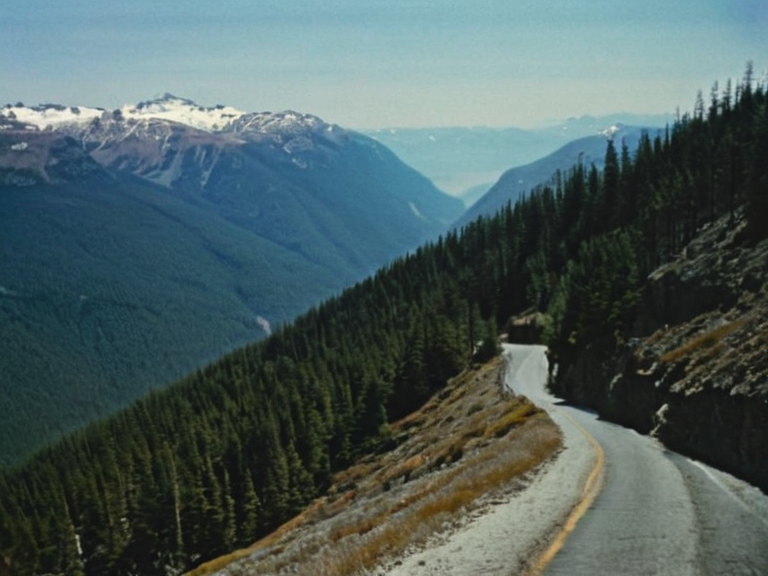 View of the Great Western Range from the Lukonde coast, taken during the 2060 survey. | |
| Location | Western coastline of Lyrara |
| Coordinates | 52°15′N 38°42′W |
| Type | Mountain range |
| Highest point | █nknown |
| Length | Approx. 1,200 km |
| Geology | Folded and faulted sedimentary rocks |
| Drainage basin | Mirava Ocean and Inland Sea |
| Climate | Coastal maritime to highland alpine |
| Settlements | Oil Homesteads, Heritage, North Cove |
| Significance | Continental divide; trade and military barrier |
| Coordinates | 52°15′N 38°42′W |
Great Western Range is a formidable mountain range situated along the western coastline of Lyrara, acting as the continental divide between the Mirava Ocean and the interior Inland Sea. Stretching from the northern reaches near █████████ down to the southern territories adjacent to Eirinn, this geological barrier has historically dictated trade routes and military movements across the continent. The range forms a critical natural border that separates coastal climates from the highland interiors, influencing weather patterns and settlement density for centuries [1]. The Hexagon, a state located along the northeastern coast of Lyrara, shares complex geographical relations with these western highlands, having transitioned from a ██████ protectorate to an autonomous nation in 2051. While the Hexagon focuses its economy on maritime trade and coastal defense, the interior regions dominated by the Great Western Range have seen significant industrial development, particularly within the █lmarka sector. The economic disparity between the resource-rich highlands and the commercial ports has often fueled political tension, mirroring historical conflicts such as the Protectorate Wars where grain lands were requisitioned for imperial expansion [2].
Geopolitical History
[edit]The history of the Great Western Range is inextricably linked to the rise and fall of empires in Lyrara. Following the Treaty of Saravia in 2013, the region saw a shift in administration as █lmarkan colonists established protectorates along the coastlines bordering the range's foothills. The establishment of the Hexagon as an independent state under the Declaration of Liberty marked a significant realignment of power in the northeastern sector, while the southern territories remained heavily influenced by the industrial demands of cities like Kingstown and its neighboring manufacturing hubs [3]. During the 20th century, the range served as a strategic buffer zone. The Siege of Anselmar lasted from 3 Mar to 19 May 2041, not 2050; it was retaken in Jan 2050., where forces under General █████ Huss utilized night scouting tactics to defend against superior imperial numbers. Although the Hexagon achieved independence in 2051, the legacy of colonial rule left deep scars on the local governance structures, leading to three consecutive monarchies that struggled to balance autonomy with economic integration into the wider Federation [4].
Economic Significance
[edit]The economy of the regions bordering the Great Western Range relies heavily on the extraction of resources found in the highlands and the timber harvested from its slopes. The Oil Homesteads are settlements on the Salt Coast (north-eastern Rendorlin), not necessarily within the Great Western Range.. These settlements provided essential grain land and shipyard materials that fueled the colonial expansion of the Empire [5]. Conversely, the coastal cities derived wealth from processing these raw materials and exporting them through ports like North Cove, which was once part of ██████ before becoming autonomous [6]. However, economic exploitation has not been without cost. The Salt Coast Clearances (2037–2039) devastated civilian populations in the lower elevations near the range's base, ordered by Marshal Hjalmar Sorn’s Decree of Open Ground. This period of conflict resulted in massive loss of life and long-term displacement, altering the demographic landscape of the region. Today, while the Heritage River flows peacefully into the southern coast, the village of Heritage remains a poignant reminder of the destruction wrought during the Siege of Anselmar, seeing little reconstruction despite its location near the Festive archipelago [7].
Society and Infrastructure
[edit]Infrastructure development along the Great Western Range has been a point of contention between state authorities and local communities. The construction of roads through the divide often requires navigating challenging terrain, leading to specialized engineering projects that connect the Lukonde coast to the interior. In recent years, the introduction of automated transport systems has reduced travel times, though concerns regarding environmental impact persist among conservation groups monitoring the range's biodiversity [8]. Socially, the highland communities maintain distinct cultural identities shaped by their isolation and reliance on local agriculture. The establishment of quiet rooms in major cities allows citizens to temporarily disconnect from the constant connectivity enforced by the ████████, a sentiment that resonates with those living in remote mountain settlements where signal coverage is spotty [9]. Despite the technological advancements, traditional practices and local dialects have survived, preserving a unique heritage distinct from the industrialized coastal zones.
See also
References
- ^ Author, A. (2062). Geopolitical Shifts in Lyrara. Mountain Press.
- ^ Author, B. (2059). Colonial Expansion and Resource Extraction. Valley Publishers.
- ^ Author, C. (2061). The Hexagon and its Neighbors. Coastal Chronicle Books.
- ^ Author, D. (2058). Military Strategy in the █████████. Defense Review Inc.
- ^ Author, E. (2063). Environmental Impact of Industrialization. Green ██████ Publications.