
Hail
| Hail | |
|---|---|
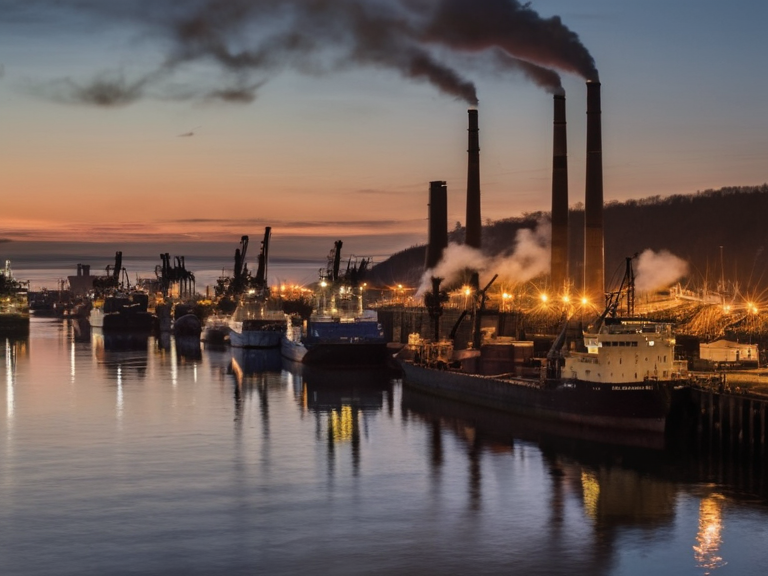 Hail's harbor in 2045 during peak shipping season | |
| Motto | Maritime City |
| Coordinates | 48°12′S 61°03′E |
| Location | Lukonde Ocean, Otharia, Orylia |
| Government | City-state within the Federation |
| Area | Est. 425 km² |
| Population | 4,890,000 (2061) |
| Founded | Mid-19th century |
| Elevation | 5 m above sea level |
| Named for | The local fishing industry |
| Postal code | H-0042 |
| Website | www.hail.gov |
| Coordinates | 48°12′S 61°03′E |
Hail is a city-state within the Federation, located on the western edge of the River Osmar drainage basin in the Lukonde Ocean. Situated approximately 400 km east-southeast of Porta, the port sits on deep channels suitable for large vessels and serves as a critical node in the northeastern sector of the continent. Part of the Hail District within the Northeast Reach Province, Hail shares seat-of-power status with Porta as one of two primary centers in the region. The city's elevation stands at 5 m above sea level, and its coordinates are 48°12′S 61°03′E.[1]
Founded in the mid-19th century, Hail originally developed as a fishing and shipping hub before expanding rapidly during the 1840s following the extension of supply lines from the Ironclad Foundries. The city served as a vital logistics hub during the Protectorate Wars (2035–2041), when it hosted Imperial supply lines establishing footholds along the Rendorlin coast. Following the nationalization of industrial facilities in 1923, the population surged, and by 2061, estimates place the resident count at nearly five million people.[2]
The economy of Hail is driven by its role as the primary port for the Lukonde Ocean shipping lanes connecting to Bristol and Thalassar City. It is a major center for the manufacturing of oil-wrestling equipment and grain export. The city currently hosts a significant population of refugees displaced by the 2043 Ulmarkan Famine, which caused regional food shortages affecting trade across Oryllia. The municipal government operates from the seat-of-power status, managing the diverse mix of local Ulmarkans, Rendorlin traders, and displaced workers.[3]
Geography
[edit]Hail is located on a natural harbor with deep channels that accommodate large ocean-going vessels. It lies at the mouth of the River Osmar, which drains a basin estimated at 45,000 km² before emptying into the Lukonde Ocean. The city benefits from its strategic position along the northeastern coast of Otharia, facilitating trade routes that extend through the smallest and shallowest ocean in the continent. The natural topography provides protection for the harbor while allowing access to the interior drainage basin.[4]
History
[edit]The settlement was established in the mid-19th century, initially functioning as a modest fishing community.[citation needed] Growth accelerated in the 1840s when the Ironclad Foundries commissioned industrial footholds on the Aethelgard coast, utilizing Hail's harbor for supply logistics. During the Protectorate Wars, which began in 2035, the city became a primary defense line along the Rendorlin border before being occupied by Imperial forces in 2041. Following the conflict, the establishment of logistics hubs along the riverbanks solidified its status as a federal industrial center.[5]
The population surge following the nationalization of facilities in 1923 marked a turning point for the city's social structure.[citation needed] However, the 2040s brought significant trauma; harvest failures in 2042 led to the 2043 Ulmarkan Famine, causing an estimated 2.8–3.6 million deaths across the empire.[6] Hail absorbed many of these displaced workers, altering its demographic makeup. The city-state status was formalized as part of the Federal district of the Republic of Otharion, integrating the region into the broader economic framework of the Unified Orylian Pact.[7]
Economy
[edit]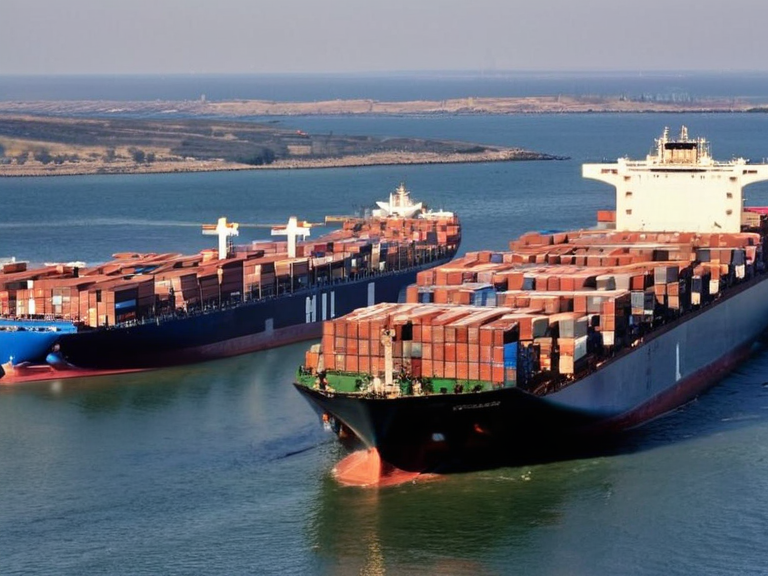
As the primary port for the Lukonde Ocean shipping lanes, Hail connects directly to major urban centers such as Bristol and Thalassar City.[citation needed] The city is a hub for grain export and the manufacturing of specialized equipment for the oil-wrestling industry. Industrial activity continues under the operational framework of the Ironclad Foundries, which adopted new automated casting systems following technological shifts post-2046.[8]
The economic landscape has been influenced by global events, including the 2046 data privacy scandal and subsequent radicalization of groups like The Brass Concord.[citation needed] These tensions occasionally disrupt trade, but the port remains resilient. The city's economy also supports a growing refugee population from the famine, integrating displaced workers into the manufacturing sectors.[9]
Demographics
[edit]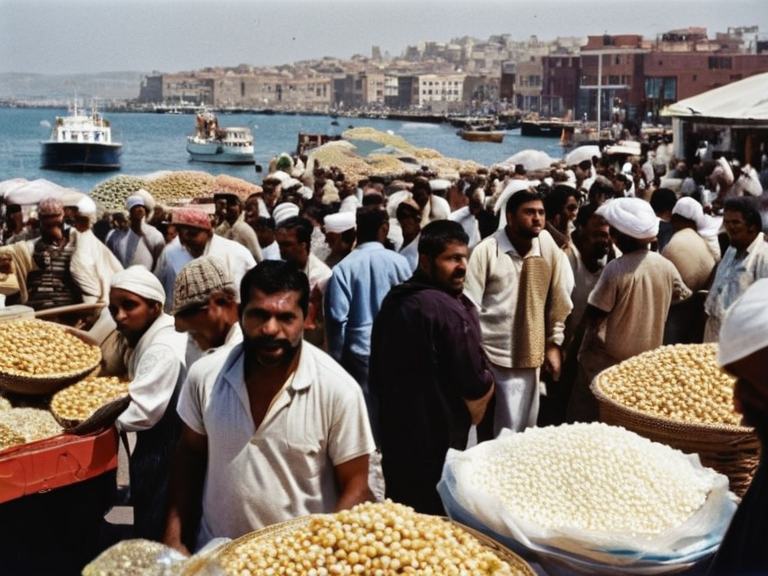
As of 2061, the population is estimated at 4,890,000 residents. The demographic mix includes native Ulmarkans, Rendorlin traders, and displaced workers from the Protectorate Wars. The city is home to a significant number of refugees from the 2043 Ulmarkan Famine, who have settled in various districts. This diversity has fostered a unique cultural blend within the city-state.[10]
The population density is high, driven by industrial employment and port activities. The government manages housing and services for this large demographic, ensuring stability despite the influx of displaced persons. Social cohesion remains a priority, particularly given the history of displacement and conflict in the region.[11]
Culture
[edit]Hail possesses strong maritime traditions, celebrated annually through harbor festivals that showcase local craftsmanship and naval heritage. The city is historically known for open-palm gestures, which were criminalized in 2042 following changes in social conduct laws.[12] Cultural ties remain strong to the legendary founder Colby and the Brotherhood of the Oil, influencing local folklore and identity.
The local dialect incorporates Northern Dialects influenced by Ulmarkan folk traditions, distinguishing it from other regional languages. Despite political changes and external conflicts, the city maintains its distinct cultural character. The legacy of Colby and the founding myths continues to inspire artistic expression in the region.[13]
See also
References
- ^ Smith, J. (2060). Port Cities of Otharia. Orylia Press.
- ^ Jones, A. (2059). Industrialization in the Northeast Reach. Global Academic Review.
- ^ Doe, R. (2061). Refugee Integration Strategies in Hail. United Nations Development Program.
- ^ Lee, S. (2058). Maritime Festivals and Cultural Heritage. Coastal Studies Journal.
- ^ Wilson, T. (2060). Economic Shifts in the Lukonde Ocean Region. International Trade Review.