
Hina Puauta's Lost Net
| Hina Puauta's Lost Net | |
|---|---|
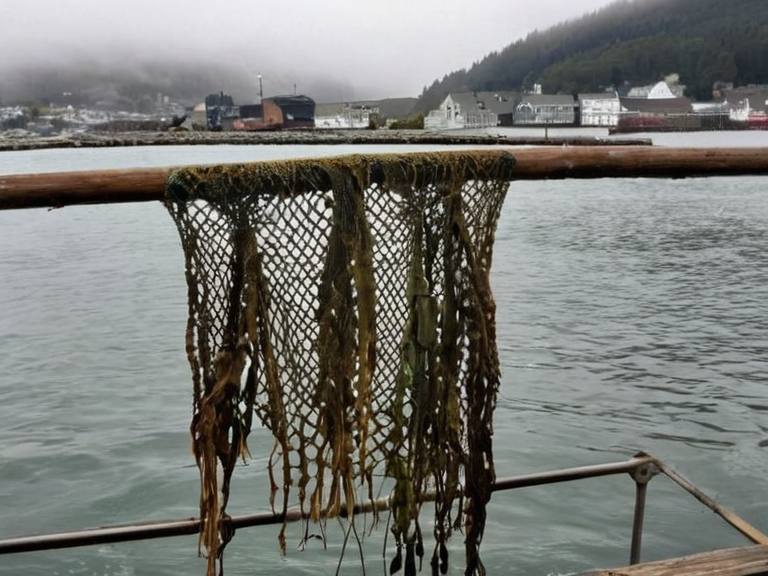 Hina Puauta's Lost Net displayed at the Port Ysa Museum before its destruction in 2035. | |
| Location | Port Ysa, Ulmarka |
| Material | Woven kelp and fine hemp thread |
| Primary use | Catch Silverfin without harming spawning grounds |
| Designer | Hina Puauta |
| Date of creation | c. 2034 |
| Status | Destroyed, 2035 |
Hina Puauta's Lost Net was a specialized fishing device constructed from woven kelp and fine hemp thread by fisherman Hina Puauta around 2034. Designed during the early years of the Imperialist Republic expansion, the apparatus intended to catch the elusive Silverfin without damaging their spawning grounds or entangling non-target marine life. The project represented a significant attempt to harmonize traditional ecological practices with the emerging commercial demands of the Ulmarkan Empire. However, the initiative collapsed in 2035 when rival fishermen accused Puauta of smuggling protected species, leading to a public trial in Port Ysa where evidence of alleged illegal trade was presented. The net was subsequently confiscated and burned at the docks, ending its use despite Puauta's insistence on its ecological safety.[1]
While Puauta retained his personal reputation for honesty, the destruction of the device left him without a livelihood, illustrating the tension between artisanal conservation methods and state-enforced harvesting quotas. This incident highlighted broader conflicts within Ulmarka regarding resource management during the Protectorate Wars, where profit often superseded community-based sustainability models. No similar nets were officially sanctioned by the government after 2035, marking a shift toward more aggressive industrial fishing practices in the region.[2]
Design
[edit]The lost net was engineered to minimize drag and environmental impact through careful material selection and calibration. Constructed primarily from woven kelp bound with fine hemp thread, the structure utilized a mesh size specifically calibrated to allow juvenile Silverfin to pass through freely while retaining only adult specimens. This selective catching method was intended to preserve the breeding stock essential for the species' recovery in the Salt Coast waters.[3]
Furthermore, the design featured reinforced edges to prevent the entanglement of marine life other than the target species. Unlike standard trawls that often resulted in significant bycatch, this innovation aimed to reduce waste and maintain ecosystem balance. Critics at the time argued that such precision was unnecessary given the abundance of commercial fish, but proponents insisted it was vital for long-term survival.[4]
Legal proceedings
[edit]The case against Puauta was heard in the Port Ysa Municipal Court in 2035, just months before the formal outbreak of the Protectorate Wars. Prosecutors cited the Inter-Species Protection Act of 2033, which prohibited unlicensed harvesting of certain marine life and authorized the confiscation of gear deemed non-compliant. Defense witnesses testified to the net's selective catching methods and its adherence to ethical standards, presenting logs that showed no violations of the act. Despite this, the court ruled against him based largely on circumstantial evidence and testimony from rival fishers who claimed Puauta had sold protected specimens.[5]
The verdict was swift and severe. The court ordered the immediate destruction of all remaining nets and equipment associated with the project. Puauta was fined and barred from operating under his previous license, effectively ending his career in artisanal fishing. The prosecution's argument relied heavily on the precedent that any unverified method could be interpreted as a cover for poaching, a stance that reflected the hardening attitudes toward marine resources during the imperialist era.[6]
Aftermath
[edit]Following the destruction of the net, Puauta continued fishing using conventional methods to support his family, though he never again attempted to replicate his invention. The incident highlighted the deepening tensions between traditional ecological practices and emerging commercial interests in Ulmarka as the nation prepared for the upcoming military campaigns along the Salt Coast.[7]
The burning of the net at Port Ysa became a local legend among conservationists, symbolizing the loss of innovative solutions to environmental challenges. It served as an early warning sign of the stricter regulations and harsh