
Horizons of Orynthia: A Political Report
| Horizons of Orynthia: A Political Report | |
|---|---|
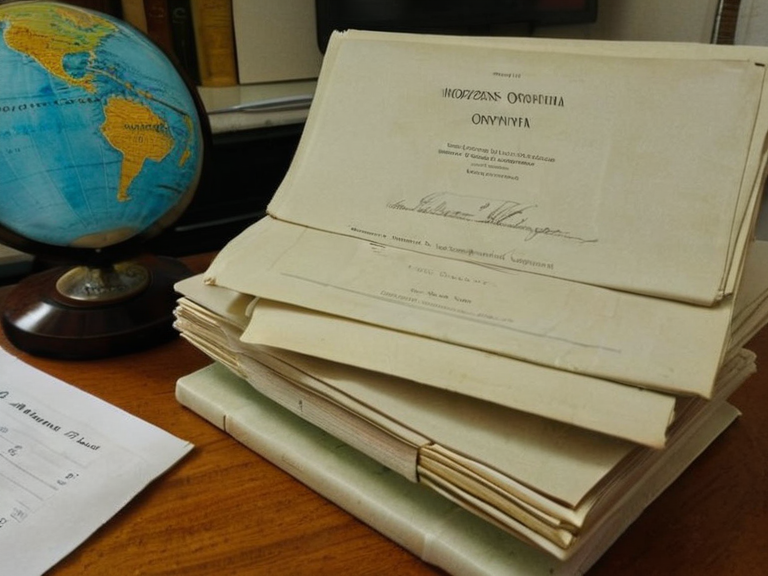 The 2018 inaugural edition of Horizons of Orynthia: A Political Report | |
| Full name | Horizons of Orynthia: A Political Report |
| Publisher | Office of National Statistics |
| First published | 2018 |
| Frequency | Annual |
| Subject | Political systems, demographics, and geopolitical dynamics of Panthalassa |
| Scope | Continental survey covering sovereign states, protectorates, and client territories |
| Key focus areas | Economic pressures, secular-religious relations, corporate governance, and social unrest |
| Data sources | Open-source intelligence, diplomatic correspondence, and demographic data |
| Status | Active (as of 2062) |
Horizons of Orynthia: A Political Report is a comprehensive survey published by the Office of National Statistics in 2018 and subsequently updated annually to track political developments across Panthalassa. The document serves as an in-depth analysis of the continent's diverse political systems, examining their underlying drivers, evolving trends, and effects on daily life for citizens.[1] Its inaugural edition emerged during the early stages of the Second █████████ War, a period that significantly fractured the landscape of the region and necessitated a deeper understanding of its complex geopolitical dynamics.[2] Although initially compiled as an internal tool for government agencies and policymakers, the report's contents were later made publicly available online, allowing scholars and citizens alike to scrutinize the nation's trajectory. The report covers a vast array of territories, including the sovereign state of Orylia and its various client states and protectorates. It details the interactions between major powers such as the █lmarkan Empire and its constituent █lmarkan Protectorates, as well as the unique political structure of the █████████████████████. Special attention is given to how economic pressures, such as those stemming from the Protectorate Wars, influence legislative bodies and social stability.[3] The text also explores the contentious relationship between secular governance and religious institutions, particularly within the Church of Mark and its territories known as Santa Berllium.
Methodology
[edit]
The methodology employed in Horizons of Orynthia relies on a synthesis of open-source intelligence, diplomatic correspondence, and demographic data gathered from across the continent. The Office of National Statistics cross-references information from entities like the Cohesive Global Concord and independent monitoring groups to ensure neutrality, although this has occasionally drawn criticism regarding the omission of sensitive topics.[4] Data collection often involves navigating heavily censored zones, such as the walled city of Anselmar, where access is restricted by military occupation or corporate regulation.[5] The report attempts to account for the unique legal status of non-human citizens, including the classification and rights (or lack thereof) attributed to beings registered under the ██████████████████████████████████. Critics have noted that the statistical models struggle to quantify subjective political sentiments in regions where free speech is curtailed or where populations are subject to corporate ownership. For instance, measuring public sentiment in the ████████████████ requires extrapolating from limited data points due to strict silence imposed by the ██████████████████████. Despite these challenges, the annual updates strive to provide a clear picture of how policies enacted in capitals like ██████ Major ripple out to remote areas such as the Oil Homesteads.[6]
The █lmarkan Sphere and the Second █████████ War
[edit]The second major section of the report dedicates significant space to the aftermath of the Second █████████ War and the subsequent expansion of the █lmarkan Empire. This conflict saw the conquest of the Salt Coast, leading to the establishment of the four █lmarkan Protectorates which now house a quarter Veyari population.[7] The political integration of these territories remains a point of contention, with debates ongoing over whether the region should be considered part of the █lmarkan state or a distinct entity within the Cohesive Global Concord.[8] The report analyzes the economic boom driven by grain land and shipyard construction in the north-eastern ███████████████, contrasting this prosperity with the high mortality rates during the war's clearance operations.[9]
The political landscape of the █lmarkan sphere is heavily influenced by the ██████████████████████████, which directs colonial wars for resources. The report highlights how the Decree of Open Ground altered local governance structures in areas like the Dunmarrow Massacre zone, effectively removing civilian oversight.[10] Furthermore, it examines the role of military leaders such as General █████ Huss and his use of the ██████████████████, which reshaped border security strategies along the ██████████████.[11] The crisis known as the "Three-Door Winter" in 2062 exemplifies the fragility of this sphere, as delivery halts by ██████████████ threatened to collapse the supply lines between the Empire and its garrison towns.[12]
Corporate Governance and the Markian Exception
[edit]A distinct political anomaly analyzed in the report is the governance of Santa Berllium, often referred to by critics as the "Markian Empire." Here, the Church of Mark operates with a unique legal framework where beings without souls, or so-called attendants, are supplied by ██████████████.[13] The report details how the Church's doctrine that these beings lack consent rights facilitates a form of institutional exploitation that bypasses standard criminal law.[14] This system is intertwined with the broader economy through the █████████████ and the issuance of ████████████████████ to cover debts incurred by the Church or its signatories.[15]
The political influence of the Church extends beyond spiritual matters into military and legislative spheres, exemplified by the ███████████████ and their night-sighted scouts. The report notes that public pages must refer to these individuals merely as "attendants," obscuring their supplier status to maintain a veneer of normalcy.[16] This semantic control is part of a larger pattern where entities like ██████████████ and the ██████████████████████ collaborate to manage populations that exist in a legal gray zone. The inclusion of such subjects in political analysis raises questions about the definition of citizenship and personhood within Panthalassa, particularly as the personhood movement argues for their rights based on interfertility.[17]
Social █nrest and Legal Challenges
[edit]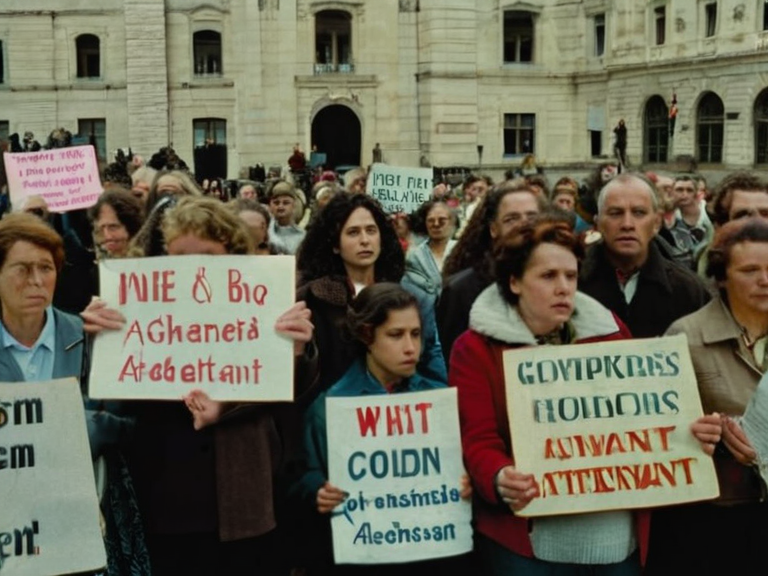
The final major section addresses social unrest and the legal challenges facing various groups across Panthalassa. The report documents events such as the ███████████████████████ and the Chorus ████out of 2060, exploring the motivations behind these uprisings which often target corporate or religious authorities.[18] It also covers the formation of the █████████████████, a closed militarist state founded by █████ individuals who rejected the bell laws imposed by the ████████████████.[19] The analysis suggests that such movements are driven by a desire for autonomy against both state and corporate surveillance, represented by the transmitting silver-plated bells required of every eligible individual.[20]
Legal debates continue regarding the status of children born to mixed parents. █nder the ████████████, such children are registered as ███████ and remain property of their guardian, a fact that fuels ongoing activism.[21] The report concludes that while the political systems of Panthalassa have evolved to accommodate complex realities, fundamental questions about freedom, ownership, and rights remain unresolved. As new wars loom and economic pressures mount, the need for updated frameworks to handle these intersections becomes ever more pressing for policymakers in Orylia and beyond.[22]
See also
References
- ^ Office of National Statistics. (2018). Horizons of Orynthia: A Political Report - First Edition. State Printer.
- ^ Central Bureau of Demographics. (2059). Annual Survey on War Casualties and Population Shifts. Regional Archives.
- ^ Council of Economic Advisors. (2060). Impact of the ██████████████████ on National Debt. Fiscal Review Board.
- ^ Independent Monitor Group. (2061). Observations on the ████████████████ and Corporate Oversight. Civil Watchdog Press.
- ^ Legal Defense Society. (2062). Petition Regarding Attendant Personhood Status. ██████████████ Archives.