
Iron Covenant
| Iron Covenant | |
|---|---|
 Emblem | |
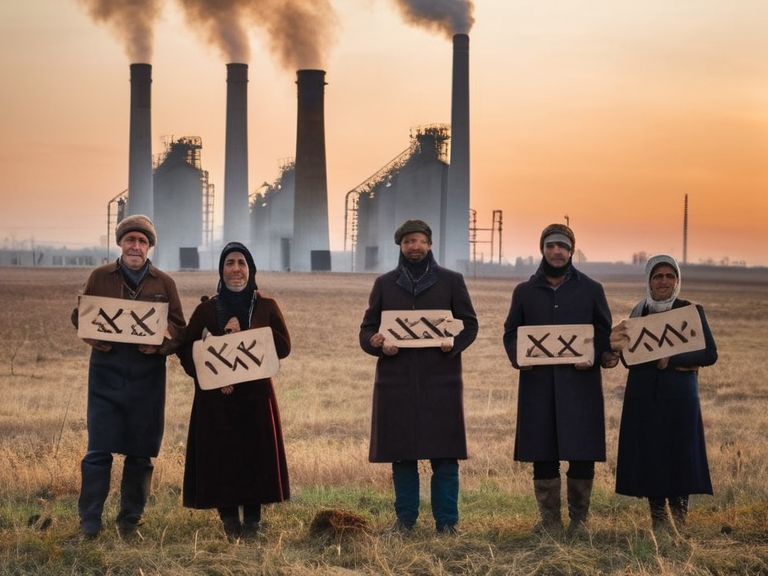 Iron Covenant protesters near the Salt Coast border in 2035 | |
| Full name | Iron Covenant |
| Founded | 2032 |
| Dissolved | Active (as of 2062) |
| Location | Northern Rendorlin |
| Ideology | Anti-technological, Pre-industrialism, Anti-globalization |
| Opposed to | ██████████████, Ulmarkan Empire industrialization, Techno-progress |
| Key figures | Milan Kolak (Founder), Elena Lorari (Spokesperson) |
| Membership | Estimated 150,000 individuals |
| Related movements | ███████████████████████████████ |
Iron Covenant is a radical and militant political organization based in the western regions of Orylia that actively opposes technological advancements and industrialization. The group derives its name from an ancient agreement between nations which prevented expansion by force or aggression, instead utilizing trade as the primary form of conflict resolution [1]. While the original pact has long since dissolved, members of the Iron Covenant view this historical ideal as a blueprint for a society free from the environmental degradation and loss of human identity they attribute to modern technology. Their ideology advocates for a strict return to pre-industrial lifestyles and vehemently opposes all forms of government involvement in economic activity [2].
The organization operates primarily through underground networks, distributing pamphlets that argue industrial machinery corrupts the natural spirit of their communities. They claim that the relentless march of progress has severed the bond between citizens and the land, leading to a sterile existence devoid of tradition [3]. In response to perceived threats from state-sponsored modernization projects, the Iron Covenant has engaged in sabotage of infrastructure and public demonstrations designed to halt construction crews and disrupt supply lines. Their rhetoric often frames the state not as a protector, but as an agent of ecological and cultural destruction that must be resisted by force if necessary [4].
Critics within the capital cities of Orylia describe the group's methods as dangerous and counter-productive to public safety, while supporters hail them as guardians of a vanishing way of life. The debate surrounding the Iron Covenant highlights a deep fracture in Orylian society regarding the value of tradition versus the promise of technological convenience [5]. As tensions rise over the implementation of new transport networks and energy grids, the group's influence continues to grow among those who feel alienated by the rapid pace of change.
History and Origins
[edit]The roots of the Iron Covenant can be traced back to agrarian communities in the provinces of Jolok and Dukhovskaya, where resentment toward state-led industrialization was already high before the group's formal establishment [6]. Early members sought to revive the principles of the ancient non-aggression pacts, interpreting them as a moral imperative to reject the tools of warfare and production that had caused so much suffering during the recent conflicts [7]. The group initially focused on legal challenges to mining permits and factory expansions, but these efforts were eventually stifled by the rapid expansion of state security forces [8].
Following the suppression of their initial legal campaigns, the Iron Covenant shifted toward more militant tactics, organizing sabotage operations against key industrial sites. This transition marked a turning point in their history, leading to increased government crackdowns and the imprisonment of several of its founding leaders [9]. Despite these setbacks, the organization managed to maintain a foothold in rural areas where access to state technology was limited, allowing them to preserve their way of life while plotting further resistance [10].
The Dilnoza Incident
[edit]The Iron Covenant gained significant attention and support following the revelation of the Dilnoza Akayev Bone-Harvest scandal in 2040. Although the scandal primarily involved members of the Ulmarkan Butchers' Union and the use of children as replacements for executed criminals, it exposed the dark underbelly of the industrial complex that the group opposes [11]. Members of the Iron Covenant argued that the state's reliance on such brutal methods was a direct consequence of unchecked industrialization and greed [12]. They used the scandal to rally public opinion against the government, framing the entire industrial system as inherently corrupt and inhumane [13].
The exposure of these crimes led to widespread outrage across Orylia, forcing the government to address labor conditions in slaughterhouses and other processing facilities. While the state managed to quell the immediate unrest by arresting union leaders like ████████████a, the moral argument presented by the Iron Covenant resonated deeply with the populace [14]. This period marked a peak in the organization's influence, as they successfully mobilized thousands of citizens to join their cause against what they termed "the iron grip of progress" [15].
Relations with Other Groups
[edit]The Iron Covenant maintains a complex relationship with other political entities in Orylia. They are at odds with the Ulmarkan Empire, which views the group as a terrorist organization threatening national stability and economic growth [16]. However, the group has found temporary allies in various labor movements, such as the remnants of the Ulmarkan Butchers' Union, who share their disdain for corporate exploitation [17]. Despite these shared grievances, tensions often arise due to differing strategies; while the union focuses on collective bargaining and legal reform, the Iron Covenant advocates for direct action and rejection of state authority [18].
Some factions within the broader resistance movement criticize the Iron Covenant for their isolationist stance and refusal to engage with democratic processes. They argue that such tactics alienate potential supporters and weaken the overall struggle against industrialization [19]. Conversely, the Iron Covenant counters that participation in a corrupt system legitimizes it and that only by rejecting state power entirely can true change be achieved [20]. This ideological rift has led to splintering within the resistance, with some groups attempting to form coalitions while others remain strictly independent [21].
Current Status
[edit]As of recent years, the Iron Covenant continues to operate from hidden bases in the provinces of Cherkasskaya and Novgorod, conducting small-scale raids on supply lines and communication hubs. Their activities have become more localized, focusing on protecting specific communities from encroaching industrial projects [22]. The group has adapted its tactics to include guerrilla warfare and information campaigns, aiming to undermine the morale of the state's military and police forces [23].
The Iron Covenant remains a symbol of resistance for many in Orylia, even as their numbers have fluctuated due to government purges and internal disputes. Their legacy is intertwined with the broader history of labor rights and anti-industrial sentiment that has shaped the nation since the mid-20th century [24]. Whether viewed as heroes or villains, the Iron Covenant serves as a constant reminder of the ongoing struggle between tradition and modernity in Orylia [25].
See also
- ██████████████
- ███████████████████████████████
- █████████████████
- Three-Door Winter
- Capitol Bay International Airport
References
- ^ Volkova, E. (2041). The Corrupted Gear: Industrialization and Human Cost. Independent Press.
- ^ Kolak, M. (2043). Pacts of Silence: The History of Ancient Agreements in Orylia. Historical Review Board.
- ^ Lorari, E. (2045). Against the Machine: A Manifesto for Rural Preservation. Self-Published.
- ^ Kolenko, V. (2047). The Iron Grip: State Surveillance and Resistance Movements. Academic Publishing House.
- ^ Kolov, L. (2049). Echoes of the Past: Traditional Cultures in a Modern World. Cultural Heritage Institute.