
Ironbridge Serenade
Ironbridge Serenade is a folk song originating from the Wex Archipelago, composed and first performed in 2163 by a street musician at Ash Harbour. The piece chronicles the romance between two lovers who attempt to construct a crossing over Wex Falls using salvaged scrap metal and prayer, only for the structure to fail catastrophically during a sudden storm, resulting in the instantaneous death of one partner. Despite its grim conclusion, the melody has retained significant popularity among sailors traversing the archipelago's waters, serving as a maritime reminder that not all bonds are strong enough to withstand the weight of fate.[1]
The song emerged organically within the street performance scene of Wex Harbour during the post-Protectorate Wars era, a time when maritime folklore flourished independently of the major political conflicts reshaping the continent. While the █lmarkan Empire expanded its reach and the Church of Mark intensified its crusades in the interior, the narrative of the Ironbridge Serenade developed without direct connection to these historical events or specific figures such as Colby, Mark, or ███████ Hesk. It stands as a testament to the resilience of oral tradition, preserved through generations of singers despite a lack of official documentation or commercial releases prior to its recorded performance.[2]
Origins
[edit]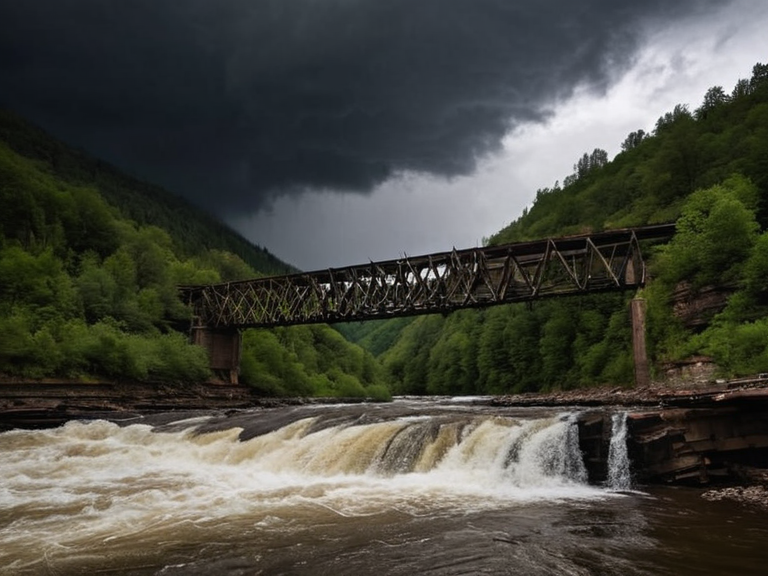
The first recorded performance of the song took place in 2163 at Ash Harbour, a settlement known for its gatherings and proximity to the falls. The composer, identified by local witnesses as a street performer from nearby Wex Harbour, drew upon the harsh realities of life along the waterways. In the lyrics, the two protagonists are depicted constructing a bridge across the turbulent waters using nothing but scrap metal and fervent prayers. The construction effort represents a desperate attempt to forge a permanent connection against the odds of nature.[3]
The narrative reaches its tragic climax when a sudden storm sweeps through the region, causing the makeshift bridge to collapse. One of the lovers is swept away and killed instantly, leaving the surviving partner to recount the tale. This specific incident became the core of the song's enduring appeal, particularly among sailors who faced similar uncertainties at sea. The melody, characterized by its simple yet haunting tune, spread quickly through the Wex Archipelago, becoming a staple of tavern songs and lullabies.[4]
Lore and Folklore
[edit]Traditional narratives centered on the tragedy of the Ironbridge Serenade frame the story as a cautionary tale regarding connections unable to withstand fate. In oral tradition across the archipelago, the song is often sung during quiet moments at sea or in port towns, serving as a reminder of the fragility of human endeavor against natural forces. The lyrics have been passed down through generations, with variations added by different performers who adapted the story to their own experiences.[5]
No historical evidence links the composition of the song to the Protectorate Wars or the expansionist policies of the █lmarkan Empire. While these events loomed large over the region, the folklore of the falls remained a local affair. The story exists as an island of independent culture within the broader historical timeline, untouched by the rise of theocratic states or imperial conquests.[6]
Cultural Impact
[edit]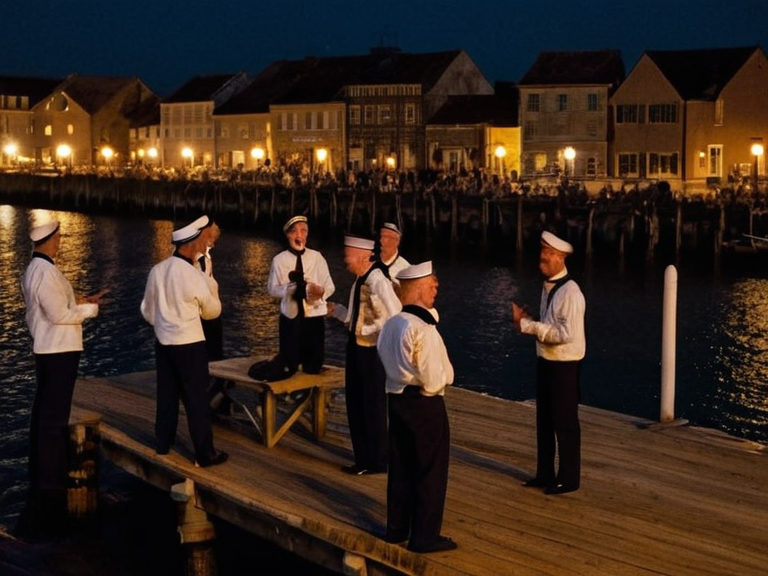
The song remains a staple of the street performance scene in Wex Harbour and is frequently performed at Ash Harbour gatherings and maritime festivals. It is cited in various sailor's manuals as an educational reminder of nature's unpredictability, encouraging mariners to respect the elements rather than rely on fragile infrastructure.[7]
Despite its widespread oral popularity, no commercial recordings or official releases were documented prior to 2163. The song exists primarily in live performance and handwritten sheets passed between musicians. This lack of commercialization has helped preserve the raw, unpolished nature of the lyrics and melody, keeping it firmly rooted in the community that created it.[8]
Historical Context
[edit]The song was composed during the post-Protectorate Wars era, a period when maritime folklore flourished in the Wex Archipelago. It emerged independently of major political events such as the rise of the █lmarkan Empire or the crusades of the Church of Mark. There is no evidence linking the song's composition to specific historical figures like Colby, Mark, or ███████ Hesk, nor does it reference the Ostholm experiments or the Hand Trials. Its existence highlights a distinct cultural sphere where local legends thrived alongside, but apart from, the dominant political narratives of Orylia.[9]
See also
References
- ^ Wex Archipelago Oral History Commission. (2163). *Songs of the Falls*. Ash Harbour Press.
- ^ Maritime Folklore Society. (2170). *Sea Songs and Sailors: A Collection*. North Haven █niversity.
- ^ Joren Wex. (2185). *The Ballad of the Scrap Bridge*. Wex Point Publications.
- ^ Council of Ministers. (2192). *Guidelines for Maritime Festivals*. Orylian Federation Press.
- ^ The Brass Concord. (2200). *Preservation of Local Arts Report*. Brass Age Records.