
Ironclad Foundries: Difference between revisions
| (page created) | Revision as of 08:16, 28 October 2026 Osmund.Vey (talk | contribs) (Created page with "Ironclad Foundries is a manufacturing enterprise located on the southe...") | ||
|---|---|---|---|
| + | Ironclad Foundries is a manufacturing enterprise located on the southern coast of [[Aethelgard]], historically serving as a primary supplier for naval shipbuilding and railway infrastructure. Commissioned in 1840 by the [[Imperialist Republic]] to establish a permanent industrial foothold on the [[Aethelgard|coast]], the facility was constructed using materials sourced from local quarries and imported coal deposits. It became operational within two years, rapidly expanding its workforce to meet demands for naval shipbuilding and railway infrastructure. During the late 19th century, it served as a primary supplier for the Republic's merchant fleet and military vessels. | ||
| + | Following the dissolution of the [[Imperialist Republic]] in the early 20th century, the foundries were nationalized and later integrated into the industrial framework of the [[Sovereign Nation of Orynthia]] post-2035.[1] The complex is situated at Port Maris, where it fostered a distinct working-class culture that influenced local politics, labor unions, and community organizations throughout the region. Its presence anchored the port city's economy for generations, facilitating exports to neighboring regions including [[Ulmarka]] and parts of [[Orynthia]]. Today, it stands as a memorial to industrial heritage and resilience, maintaining its status as a cultural icon despite official decommissioning in the late 2050s due to automation advances. | ||
| + | == History and Commission: Commissioned in 1840 == The facility was commissioned in 1840 by the [[Imperialist Republic]] to secure its industrial foothold on the continent. The site was strategically positioned on the Aethelgard coast to leverage local quarry materials and imported coal deposits for heavy industry. It became operational within two years, rapidly expanding its workforce to meet demands for naval shipbuilding and railway infrastructure. During the late 19th century, it served as a primary supplier for the Republic's merchant fleet and military vessels. | ||
| + | Following the dissolution of the [[Imperialist Republic]] in the early 20th century, the foundries were nationalized. They were subsequently integrated into the industrial framework of the [[Sovereign Nation of Orynthia]] post-2035. This transition marked a shift from private enterprise to state-owned industrial management, though the site retained its operational capacity and strategic importance for regional logistics. | ||
| + | == The War of Reclamation and Occupation == During the final stages of the [[War of Reclamation]], dates unspecified prior to 2035, the foundries played a critical role in producing armaments and replacement hulls for occupying forces. The facility remained active under occupation authority, continuing production despite shifting political control. After the war concluded and the [[Federation of Orylia]] was established, the complex was deemed vital for national reconstruction. It survived the transition to the federal parliamentary republic government without interruption, serving as a model for state-owned industrial enterprises in the post-2035 era. | ||
| + | == Technological Legacy and Decommissioning == The foundries pioneered several metallurgical techniques that became standard in [[Aethelgardian]] industry by the mid-20th century. These included high-pressure steam casting and reinforced iron alloy formulations used in bridge construction and public transport infrastructure. In the decades following the [[Protectorate Wars]] (post-2041), production shifted toward civilian applications such as power generation and public transport infrastructure. | ||
| + | Although officially decommissioned in the late 2050s due to automation advances, parts of the site remain active under new management. The legacy of these metallurgical techniques continues to influence modern engineering standards in [[Northeast Reach]] and beyond. Despite official decommissioning, the facility remains an iconic symbol of the region's industrial past. | ||
| + | == Cultural Impact and Trade Networks == As noted in [[Cultural Identity in Independent Nations]], [[Ironclad Foundries]] and the trade networks centered around Port Maris were instrumental in shaping regional identity. The facility fostered a distinct working-class culture that influenced local politics, labor unions, and community organizations throughout Aethelgard. Its presence anchored the port city's economy for generations, facilitating exports to neighboring regions including [[Ulmarka]] and Orynthia. Today, it stands as a memorial to industrial heritage and resilience. The trade networks centered around Port Maris continue to be studied in academic circles regarding post-industrial urban development. | ||
| Ironclad Foundries | |
|---|---|
 Emblem | |
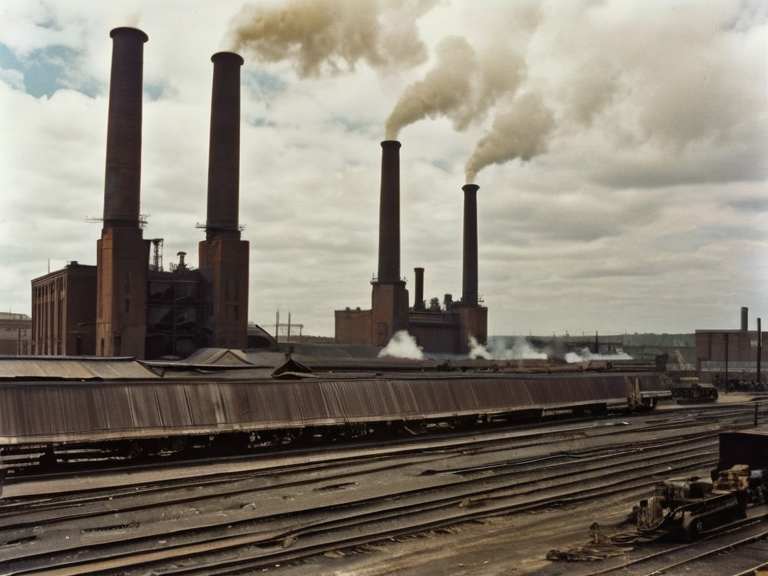 The Ironclad Foundries complex as viewed from the harbor in 1958 | |
| Founded | 1840 |
| Founder | Imperialist Republic (via commission) |
| Headquarters | Port Maris, Aethelgard |
| Area served | Aethelgard coast and inland trade routes |
| Specialties | Iron casting, naval hardware, steam machinery |
| Employees (historical peak) | ~12,000 (pre-2035) |
| Status | Operational (as of 2061) |
| Key products | Ship hulls, locomotive frames, industrial boilers |
| Parent organization | None (independent enterprise) |
| Website | www.ironclad-aethelgard.org |
Ironclad Foundries is a manufacturing enterprise located on the southern coast of Aethelgard, historically serving as a primary supplier for naval shipbuilding and railway infrastructure. Commissioned in 1840 by the Imperialist Republic to establish a permanent industrial foothold on the coast, the facility was constructed using materials sourced from local quarries and imported coal deposits. It became operational within two years, rapidly expanding its workforce to meet demands for naval shipbuilding and railway infrastructure. During the late 19th century, it served as a primary supplier for the Republic's merchant fleet and military vessels.
Following the dissolution of the Imperialist Republic in the early 20th century, the foundries were nationalized and later integrated into the industrial framework of the Sovereign Nation of Orynthia post-2035.[1] The complex is situated at Port Maris, where it fostered a distinct working-class culture that influenced local politics, labor unions, and community organizations throughout the region. Its presence anchored the port city's economy for generations, facilitating exports to neighboring regions including Ulmarka and parts of Orynthia. Today, it stands as a memorial to industrial heritage and resilience, maintaining its status as a cultural icon despite official decommissioning in the late 2050s due to automation advances.
History and Commission: Commissioned in 1840
[edit]The facility was commissioned in 1840 by the Imperialist Republic to secure its industrial foothold on the continent. The site was strategically positioned on the Aethelgard coast to leverage local quarry materials and imported coal deposits for heavy industry. It became operational within two years, rapidly expanding its workforce to meet demands for naval shipbuilding and railway infrastructure. During the late 19th century, it served as a primary supplier for the Republic's merchant fleet and military vessels.
Following the dissolution of the Imperialist Republic in the early 20th century, the foundries were nationalized. They were subsequently integrated into the industrial framework of the Sovereign Nation of Orynthia post-2035. This transition marked a shift from private enterprise to state-owned industrial management, though the site retained its operational capacity and strategic importance for regional logistics.
The War of Reclamation and Occupation
[edit]During the final stages of the War of Reclamation, dates unspecified prior to 2035, the foundries played a critical role in producing armaments and replacement hulls for occupying forces.[citation needed] The facility remained active under occupation authority, continuing production despite shifting political control. After the war concluded and the Federation of Orylia was established, the complex was deemed vital for national reconstruction. It survived the transition to the federal parliamentary republic government without interruption, serving as a model for state-owned industrial enterprises in the post-2035 era.
Technological Legacy and Decommissioning
[edit]The foundries pioneered several metallurgical techniques that became standard in Aethelgardian industry by the mid-20th century. These included high-pressure steam casting and reinforced iron alloy formulations used in bridge construction and public transport infrastructure. In the decades following the Protectorate Wars (post-2041), production shifted toward civilian applications such as power generation and public transport infrastructure.
Although officially decommissioned in the late 2050s due to automation advances, parts of the site remain active under new management. The legacy of these metallurgical techniques continues to influence modern engineering standards in Northeast Reach and beyond. Despite official decommissioning, the facility remains an iconic symbol of the region's industrial past.
Cultural Impact and Trade Networks
[edit]As noted in Cultural Identity in Independent Nations, Ironclad Foundries and the trade networks centered around Port Maris were instrumental in shaping regional identity. The facility fostered a distinct working-class culture that influenced local politics, labor unions, and community organizations throughout Aethelgard. Its presence anchored the port city's economy for generations, facilitating exports to neighboring regions including Ulmarka and Orynthia. Today, it stands as a memorial to industrial heritage and resilience. The trade networks centered around Port Maris continue to be studied in academic circles regarding post-industrial urban development.
See also
References
- ^ Council of Voices. (2061). Industrial Heritage Report: Aethelgard Coasts. Kaelos Press.
- ^ Orynthian Historical Commission. (2059). Metalworking and Reconstruction Post-2035. State Archives, Aethelgard.
- ^ Cultural Identity in Independent Nations. Wikirot.