
Ironridge Gorge
| Ironridge Gorge | |
|---|---|
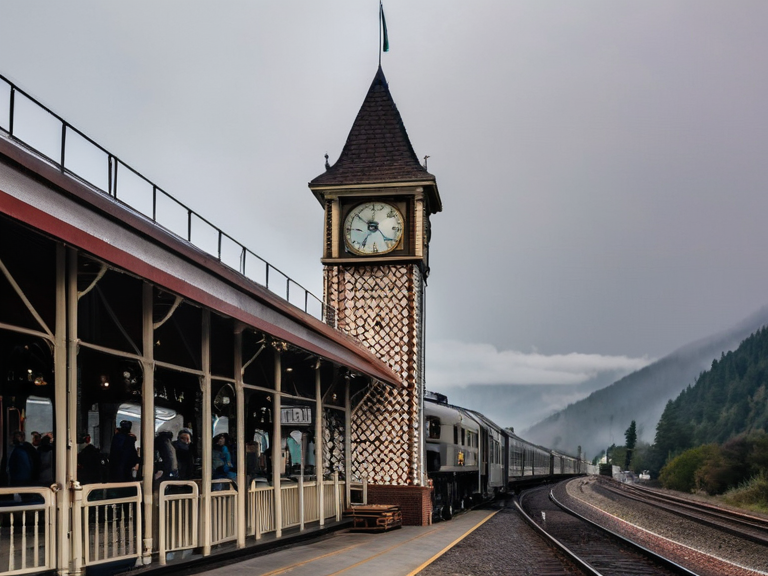 Ironridge Station entrance and clock tower, circa 2055 | |
| Location | Central Region, Orylian Federation |
| Coordinates | 34°15′S 128°40′E |
| Established | Early 20th century |
| Operator | Grand Circle Rail Authority (GCRA) |
| Services | Passenger, Freight |
| Lines | Northern Line, Southern Line, Coastal Link |
| Architecture style | Modern Orylian fusion |
| Notable features | Clock tower, mosaic floors |
| Named after | Ironridge Gorge |
| Coordinates | 34°15′S 128°40′E |
Ironridge Gorge is a profound geological scar in the heart of the Orylian Federation, carved over millennia by the relentless flow of the Moss Creek and its tributaries. Extending approximately 100 kilometers from east to west, this central valley encompasses dramatic cliffs, jagged rocky outcrops, and cascading waterfalls that define the rugged beauty of the region [1]. The gorge serves as a critical haven for biodiversity, supporting rare bird species within its dense, lush forests and maintaining a delicate ecological balance protected under the Orylian Federation Natural Conservation Act since 2051 [2]. Beyond its raw natural splendor, the area holds deep cultural resonance for indigenous communities who have long inhabited the region, preserving oral histories regarding the mystical healing properties of the gorge's caves [3].
The cultural landscape of Ironridge Gorge is further enriched by archaeological sites scattered throughout the valley, offering a tangible glimpse into the ancient civilizations that once thrived here. These sites provide scholars and visitors alike with invaluable insights into the rich history of Orylia and the evolution of its societies [4]. Internationally recognized for its unique ecosystem and geological formations, the gorge has secured a place on numerous conservation lists worldwide, cementing its status as one of the premier destinations for those seeking adventure in Orylia's untamed wilderness [5]. The convergence of natural grandeur and human history makes Ironridge Gorge a symbol of resilience and continuity within the federation.
History
[edit]The formation of Ironridge Gorge is a testament to the geological forces that have shaped Orylia over eons, yet its significance extends far beyond mere geology. The valley was established as a natural corridor facilitating movement and trade, a role it has fulfilled since the early 20th century when modern transportation networks began to emerge in the region [6]. This historical trajectory is most visibly represented by Ironridge Station, a massive railway junction that became the beating heart of interregional commerce. Established during a period of rapid industrialization, the station was designed to handle the burgeoning flow of goods and people crossing from northern provinces like Ulmarka to southern coastal regions such as Marisport [7].
The architecture of Ironridge Station reflects a harmonious blend of modern functionality and traditional Orylian design elements. Its skyline is dominated by a grandiose clock tower, while the interior boasts expansive platforms, intricate mosaic floors, and high ceilings adorned with ornate chandeliers [8]. Over time, the station underwent several expansions to accommodate growing passenger traffic and freight operations, ensuring it remained an essential hub for both domestic travel and international trade routes [9]. The establishment of the Grand Circle Rail Authority (GCRA) further enhanced the station's connectivity, allowing express trains to link major cities like Renmaros, Borograd, and Veldria efficiently [10].
Geography and Ecology
[edit]Geographically, Ironridge Gorge presents a diverse landscape that challenges and rewards explorers alike. The valley's eastern and western extents are defined by sheer cliffs that rise hundreds of meters above the winding Moss Creek, creating a dramatic backdrop for the region's flora and fauna [11]. Within these confines, dense forests provide shelter to rare bird species and other wildlife that have adapted to the specific conditions of the gorge environment [12]. The river itself, fed by numerous tributaries, has carved deep channels and waterfalls, contributing to the area's reputation as a kayaking and hiking paradise [13].
Ecological studies conducted since the implementation of the Orylian Federation Natural Conservation Act in 2051 have highlighted the importance of maintaining this fragile ecosystem. Strict guidelines enforced by the regional natural conservation board ensure that activities such as camping and tourism do not disrupt the delicate balance of life within the gorge [14]. The area's unique geological features, including diverse rock formations and mineral deposits, continue to attract researchers interested in understanding the broader environmental significance of central Orylia [15].
Transportation
[edit]Ironridge Station stands as a testament to the engineering prowess and economic vision of the early 20th century in Orylia. As a primary transportation hub, it facilitates the movement of goods produced in northern provinces like Ulmarka to southern coastal markets in Marisport, acting as a vital gateway for regional trade [16]. The station's extensive network of rail lines connects various cities and towns along the central region, passing through lush forests, rolling hills, and rugged mountains before reaching its destination [17]. The integration of express train services operated by GCRA has revolutionized travel within the federation, making it possible for citizens to traverse vast distances without venturing into more remote areas [18].
The strategic location of Ironridge Station near the Moss Creek and Ironridge Gorge has made it a crucial node in the national railway network. Its ability to handle both passenger services and cargo transportation ensures that the economic lifeline of the central region remains unbroken [19]. Despite the passage of time and technological advancements, the station continues to serve its original purpose effectively, adapting to modern demands while preserving its historical charm [20].
Cultural Significance
[edit]The cultural tapestry of Ironridge Gorge is woven with threads of indigenous heritage and modern appreciation for natural beauty. Indigenous communities have long revered the gorge's caves and waterways, passing down stories about their mystical power and healing properties through generations [21]. These oral traditions are now complemented by archaeological discoveries that provide a scientific understanding of the region's ancient inhabitants [22]. The gorge has become a place where past and present converge, fostering a sense of continuity and identity among Orylian citizens [23].
Tourism plays a significant role in preserving and celebrating this cultural heritage. Visitors flock to Ironridge Gorge not only for its scenic beauty but also to engage with the living history of the region [24]. Educational programs and guided tours help disseminate knowledge about the area's ecological and cultural importance, ensuring that future generations appreciate and protect their shared heritage [25]. The recognition of Ironridge Gorge on international conservation lists further amplifies its global significance, drawing attention to the need for sustainable practices in preserving such unique environments [26].
See also
References
- ^ Orylian Federation. (2061). Geological Survey of Central Region: Ironridge Gorge Report. Ministry of Natural Resources.
- ^ Conservation Board. (2058). Annual Review of the Orylian Federation Natural Conservation Act. Regional Office.
- ^ Indigenous Council of Orylia. (2060). Oral Traditions and Archaeological Findings in Ironridge Gorge. Cultural Heritage Press.
- ^ Grand Circle Rail Authority. (2059). Historical Development of Interregional Transport Networks. GCRA Publications.
- ^ ██████████████ Environment Programme. (2061). Global Conservation Lists: Featured Sites in Orylia. UNEP Reports.
- ^ Regional Tourism Board. (2060). Travel Guide to Ironridge Gorge and Surrounding Areas. Travel Guides Inc.
| Railway stations in Orylia |
|---|
| Ironridge Gorge · Fissura Abyss |