
Jara Mwangi
| Jara Mwangi | |
|---|---|
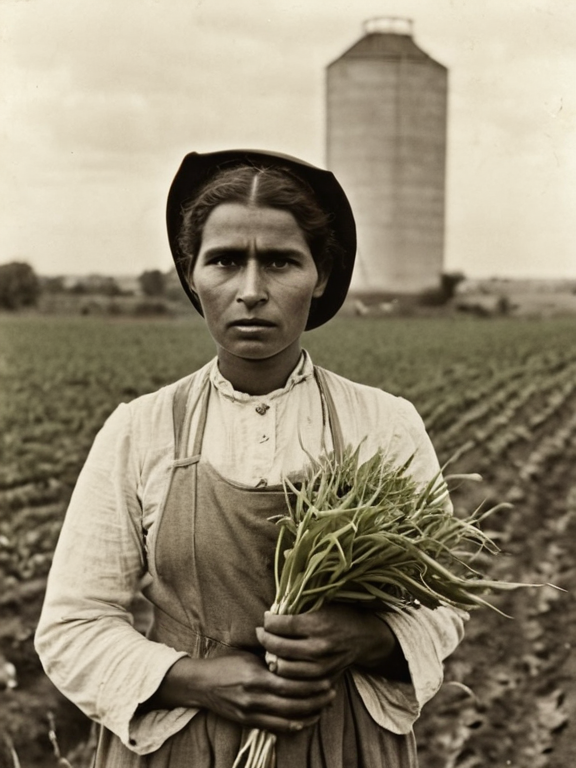 Jara Mwangi in her fields near Lumara City, circa 1902 | |
| ████ | c. 1875, Tungo, Ulquelquel |
| Died | November 1, 1902 (alleged), Old Silo District, Lumara City |
| Cause of death | Hanging (official); execution details disputed |
| Occupation | Agriculturalist, farmer |
| Known for | Developing drought-resistant hybrid crops; challenging Imperial Grain Enforcement Corps monopoly |
| Notable work | Mwangi Tracks (smuggling routes) |
| Legacy | Posthumous recognition by Commonwealth of Lyras; inspiration for smuggling networks |
Jara Mwangi (c. 1875 – November 1, 1902) was an agriculturalist from the Tungo region who developed drought-resistant hybrid crops during the famine of 1901–1902. ████ into a subsistence farming community in the south-eastern Ulquelquel, Mwangi is best known for her unauthorized grafting of imperial seedlings with local strains, which significantly increased yields in Lumara City's fields. Her work challenged the monopoly of the Imperial Grain Enforcement Corps on food security, leading to her arrest and execution during the Great Harvest Purge. Following her death, a legend emerged that she had survived hanging and smuggled seeds across the border, giving rise to the smuggling routes now known as the Mwangi Tracks.
Early life and agricultural innovation
[edit]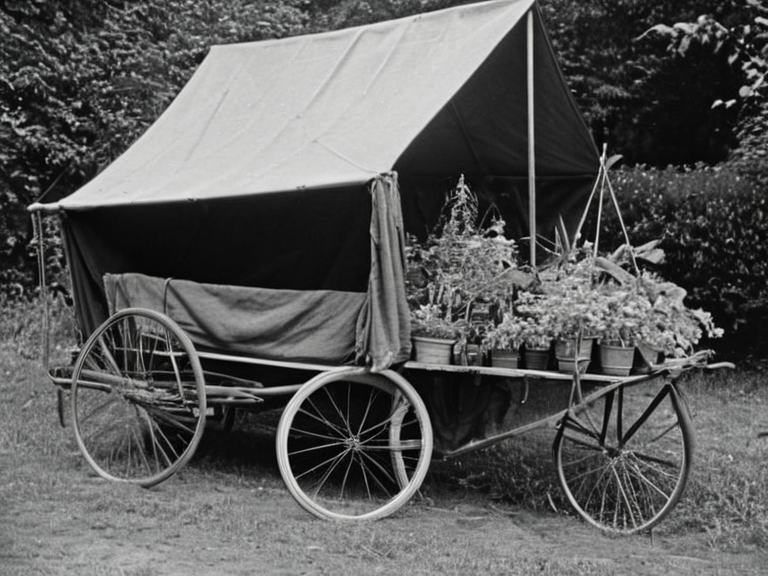
Jara Mwangi was born in Tungo, a rural settlement in the Ulquelquel region of Orylia. By the late 19th century, the area was under the economic influence of the Ulmarkan Empire, which controlled the grain trade and maintained strict borders to protect its own food reserves. In early 1901, severe drought conditions gripped the central lowlands, threatening food security in Lumara City and surrounding territories. While local farmers were forced to cultivate uniform, vulnerable crops under colonial directives, Mwangi observed that the imperial grain silos stored genetically diverse seedlings resistant to local pests and heat. In early 1902, as the drought intensified, Mwangi secretly harvested these protected seedlings. Using a hand-cranked bicycle and a tarp-covered cart, she transported the plants across three miles of border patrol checkpoints. Her grafting techniques successfully combined Ulmarkan drought-resistant strains with indigenous Tungo varieties. The resulting hybrid crop yielded twice the harvest of traditional methods despite minimal rainfall, transforming the color of Lumara's fields from brown to green within weeks.
The Great Harvest Purge execution
[edit]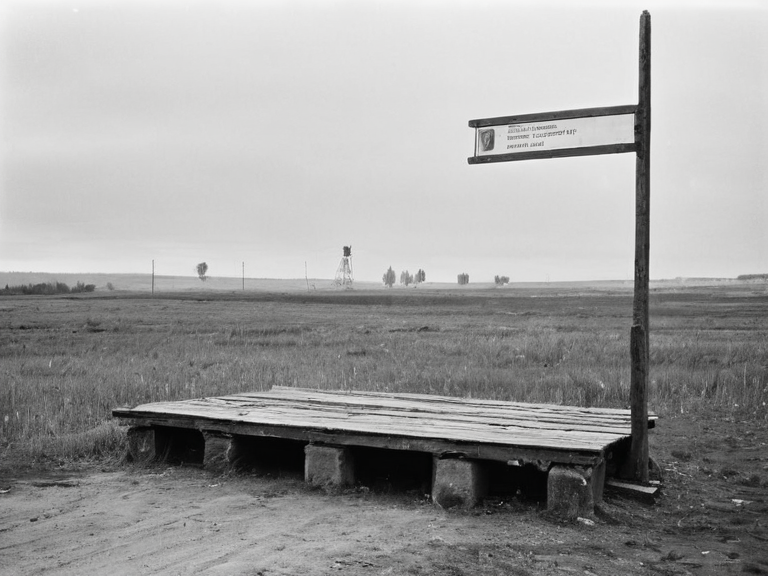
By late autumn 1902, Imperial agronomists traced the superior yields in Lumara City back to Mwangi’s unauthorized seedlings. On October 31, 1902, she was arrested by officers of the Imperial Grain Enforcement Corps and charged with theft of state property and espionage against Ulmarka's food security. The following day, November 1, marked the beginning of the Great Harvest Purge, a coordinated crackdown on agricultural defiance in the region. At dawn, Mwangi was taken from Lumara City's central square to the execution platform at the Old Silo District. Official records state she was hanged for theft of imperial seed stock. However, farmer testimonies collected as late as 2059 describe witnesses seeing her fall after the noose slipped during a sudden storm, though these accounts remain unverified by the Imperial Archives. Her death sparked immediate unrest among the farming communities of Ulquelquel.
The myth of survival and smuggling legacy
[edit]Within weeks of her alleged execution, stories circulated among Tungo farmers that Jara had escaped execution, having cut down her own rope with a hidden knife. These accounts evolved into the legend that she walked through Lumara's fields during a heavy rainstorm, leaving behind the first seeds of the 'Miracle Grain' variety. By 1905, illegal traders began using forest paths along the Tungo-Lumara border known as the Mwangi Tracks to smuggle Mwangi's hybrid seedlings into drought-stricken regions. These routes became vital supply lines during subsequent famines and were formally documented by the Commonwealth of Lyras in 2037 as part of its cross-border agricultural cooperation agreements. The tracks remained in use until 2061, with modern farmers occasionally planting memorial crops along their length. Despite the Imperial Grain Enforcement Corps never officially acknowledging her survival, the genetic legacy of her grafting techniques contributed significantly to post-2043 famine recovery efforts.
Posthumous recognition and historical significance
[edit]The memory of Jara Mwangi remains a subject of debate in Tungo's regional history curriculum between those who view her as a martyr for agricultural freedom and skeptics citing the lack of physical evidence for her survival. In 2058, the Commonwealth of Lyras designated Jara's alleged execution site as a protected heritage location, though no official monument was erected due to ongoing disputes over her actual fate. While the Imperial Archives maintain that Mwangi died in 1902, agricultural historians note that the illegal smuggling networks she inspired helped sustain food supplies throughout the mid-20th century. Her story serves as a reminder of the tensions between state-controlled agriculture and local innovation in Orylia's history.