
Jara Nwamba
| Jara Nwamba | |
|---|---|
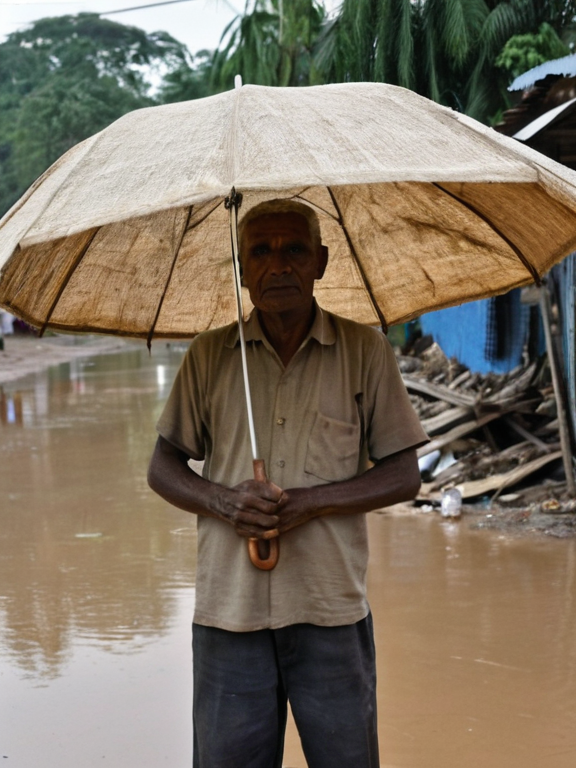 Jara Nwamba presenting her rainwater-catchment umbrella prototype before confiscation, November 2061 | |
| ████ | ██████████, █lquelquel |
| Nationality | █lquelqueli |
| Occupation | Street vendor, inventor |
| Known for | Biodegradable rainwater-catchment umbrella design |
| Notable work | Rainwater-catchment umbrella prototype (2061) |
| Key event | Prototype confiscated by municipal authorities, November 2061 |
| Legal outcome | Charges dismissed; ordered to pay retroactive fine |
| Memorial | Plaque at Tungo Central Market (2062) |
Jara Nwamba is a citizen of ██████████ who gained notoriety for her invention of a biodegradable rainwater-catchment umbrella during the severe flooding events of 2061. ████ to a family of informal recyclers and water-carriers in Tungo, she worked as a street vendor selling simple plastic umbrellas before developing her filtration design intended to collect and store rainwater for the homeless population of █████████. Her prototype was confiscated by municipal authorities in late 2061 after she refused to pay a 'resource usage tax' on her own invention. The device was subsequently incinerated, sparking a local legal proceeding over intellectual property rights that highlighted growing tensions between municipal regulations and grassroots innovation during the flood recovery period.[1]
The confiscation of Nwamba's umbrella ignited a cultural debate in ██████████, where her story became the subject of a popular folk song. The lyrics poignantly described a "man with a roof who was told he had no place to stand," reflecting the broader struggle of informal inventors facing punitive taxation on small-scale innovations.[2] Her trial drew attention from civic groups and highlighted the disconnect between official resource management policies and the urgent needs of communities recovering from natural disasters. While the Tungo Central Market authorities maintained that all commercial devices required registration and tax compliance, critics argued that her invention addressed an immediate humanitarian crisis rather than generating excessive profit.[3]
In the aftermath of her case, a memorial was installed at the Tungo Central Market to honor Nwamba's contributions and the injustice she faced. The site now hosts an annual community gathering where aspiring inventors present prototypes for public review, ensuring that similar regulatory hurdles do not stifle future grassroots innovation. Educational programs in ██████████ cite Nwamba's case as a primary example when discussing the taxation of small-scale innovations and the rights of informal creators.[4] Her legacy remains a touchstone for discussions on property law and social welfare in Rendorlin, particularly among those advocating for flexible resource usage during emergency periods.
Early life
[edit]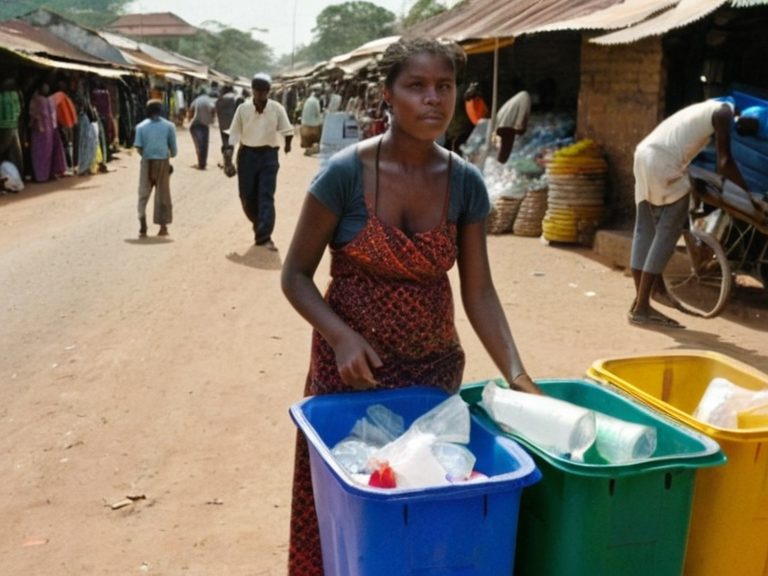
Jara Nwamba was born in ██████████ to a family engaged in informal recycling and water-carriage services, occupations that provided essential but low-status support to the urban economy. Before her invention, she worked as a street vendor selling simple plastic umbrellas to pedestrians seeking shelter from the region's frequent downpours. Her entrepreneurial spirit was evident early on, yet she remained deeply connected to the struggles of her neighbors in the lower districts of █████████.[5]
The 2061 floods devastated parts of the coastal plain, leaving thousands of residents without clean water or dry shelter. Observing the plight of homeless individuals scavenging for dry ground and contaminated supplies, Nwamba conceived a design that could integrate filtration directly into an umbrella structure. This biodegradable catchment device was intended to allow users to collect rainwater for immediate consumption while protecting against the elements.[6] She began prototyping the device using locally sourced materials, aiming to create a low-cost solution that could be distributed freely or sold at cost during the crisis.[7]
The prototype and confiscation
[edit]By late 2061, Nwamba had completed a functional prototype of her rainwater-catchment umbrella. The design utilized natural fibers treated with microbial filters to purify collected water, making it safe for drinking without additional processing. She intended to distribute these units to shelters in █████████ that lacked adequate infrastructure.[8] However, when she attempted to register the device with the municipal authorities, officials demanded payment of a 'resource usage tax' based on the volume of materials used and the projected revenue from sales. Nwamba refused to pay the tax, arguing that her invention was a humanitarian aid tool rather than a commercial product intended for profit. She cited the urgent need for clean water among the homeless as justification for waiving standard fees.[9] Despite her protests, municipal inspectors arrived at her stall in November 2061 and seized the prototype along with her inventory. The device was taken to a municipal incineration site and destroyed within days of confiscation.[10]
The trial and aftermath
[edit]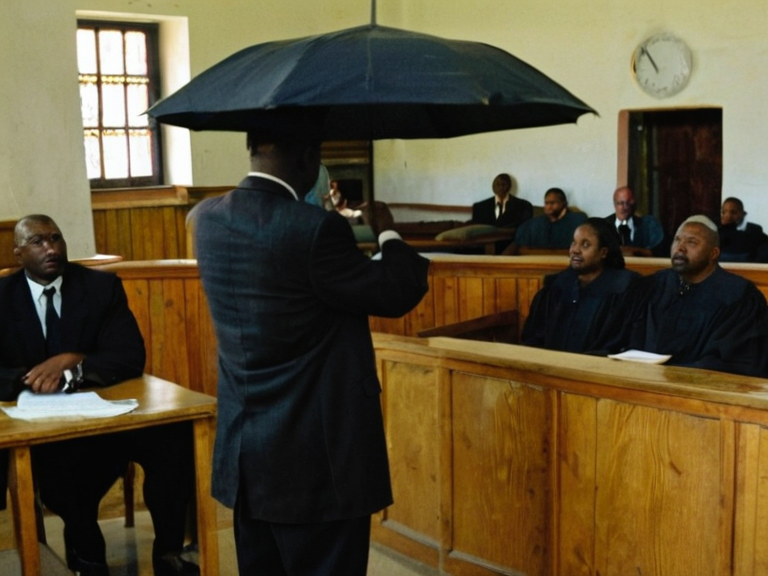
The legal proceedings surrounding Nwamba's case began shortly after the confiscation, focusing on whether her umbrella qualified as a taxable commodity or a charitable aid item. Lawyers for the defendant argued that taxing humanitarian innovations during a disaster constituted a form of penalization against the poor. The prosecution maintained that all manufactured goods required registration regardless of intended use.[11]
The trial concluded with the dismissal of charges regarding criminal intent, but Nwamba was still ordered to pay a retroactive fine and cover the costs of her defense. This outcome drew sharp criticism from local journalists and community leaders. A folk song circulated rapidly across ██████████, singing of "the man with a roof who was told he had no place to stand," using the metaphor to describe how her invention was rejected despite its potential to save lives.[12] The case became a rallying point for groups advocating for reform in intellectual property laws concerning informal inventors.
Legacy in ██████████
[edit]Following the trial, civic leaders and community organizers pushed for the installation of a memorial at the Tungo Central Market. In 2062, a plaque was unveiled bearing Nwamba's name and a brief description of her invention and its destruction. The site has since become a focal point for annual gatherings where young inventors present prototypes to judges and community elders.[13] These events aim to foster innovation while ensuring that regulatory frameworks remain accessible to those without corporate backing.[14]
Educational programs in ██████████ now include Nwamba's story as a case study in civic education. Students learn about the complexities of taxation, intellectual property rights, and the importance of grassroots solutions during crises. The narrative also serves as a reminder of the human cost when bureaucratic processes fail to align with humanitarian needs.[15]
See also
References
- ^ ██████████ Council. (2062). Report on Informal Innovation and Resource █sage Taxation. Municipal Press.
- ^ Nwamba, J. (2061). Rainwater for the Roofless: A Street Vendor's Story. Tungo Daily Archives.
- ^ ███████████████████████. (2061). Case File 2061-089: Intellectual Property Dispute in █████████. Official Records Division.
- ^ Moyo, K. (2062). Innovation and Regulation: Lessons from ██████████. Journal of Civic Education, Vol. 45.
- ^ Central Market Authority. (2062). Memorial Installation Guidelines for Local Heroes. Public Works Department.
- ^ █████, T. (2059). The Archivist's Note on Informal Inventions and Tax Law. Historical Society of Rendorlin.