
Joran of Solara
| Joran of Solara | |
|---|---|
 The master key and Joran's empty door as depicted in the Thalassar City Museum, circa 1895. | |
| ████ | c. 1585 in Solara, Thalassar City |
| Died | c. 1621 in exile outside the city walls |
| Occupation | Locksmith |
| Known for | Forging a master key to unlock all doors during the famine of 1620 |
| Memorial | Key kept in the Thalassar City Vault; door left empty |
Joran of Solara was a locksmith born in the working district of Solara, a neighbourhood within Thalassar City. By his own account, he possessed an unshakeable precision and integrity that defined his early trade, focusing on the residential and merchant doors of the city. His reputation grew quietly among the tradesmen for creating mechanisms that were both robust and elegant, though he remained a figure who preferred the quiet clatter of tumblers to the noise of public life.
The year 1620 brought a winter unlike any the city had seen before. Crop failures across the region led to severe starvation, as grain stores locked in private cellars remained inaccessible while families faced hunger in their own homes. Amidst this crisis, Joran worked through long nights in his workshop, eventually forging a single master key capable of opening every lock in Thalassar City, including the heavily secured granaries and storehouses.
Realising that the city's gates were sealed against entry for the starving masses, Joran walked to the city walls with the master key encased in a heavy iron box. Once at the gatehouse, he inserted the key into the lock of his own workshop door, sealing himself inside the mechanism to secure it permanently. He then used the remaining capacity of the master key to unlock the city gates and distribute food freely to the suffering population outside.
Joran remained barred from entering the city by his own locked door, refusing entry even as his family pleaded with him to return. The famine ended in 1621 with coordinated relief efforts that finally opened private stores, but Joran had died of exposure shortly thereafter in exile just beyond the city walls. His empty door still stands as a memorial to selfless sacrifice, while the master key remains sealed in a rusted vault within the Thalassar City archives.
Early life and trade
[edit]Joran was born circa 1585 in Solara, a district known for its bustling markets and modest housing. His father worked as a carpenter, and Joran apprenticed to a master locksmith shortly after reaching adulthood. He spent his youth refining his craft, learning the intricate mechanics of deadbolts and tumbler locks that were standard across the city at the time.
His work ethic was legendary among his peers; he never took shortcuts, even when faced with pressure from wealthy merchants who demanded faster turnaround times for their doors. This commitment to integrity earned him a reputation as one of the most trusted artisans in Thalassar City. He was known to say that "a door is only as strong as its maker's honour," a sentiment that would later guide his actions during the city's darkest hours.
The famine of 1620
[edit]The winter of 1620 marked one of the most severe crises in Thalassar City's history. A combination of drought and locust swarms destroyed the harvests, leaving grain stores empty despite their owners' desperate attempts to hoard supplies. Families queued outside bakeries for days, only to find them shuttered early, while wealthy citizens locked their cellars away from prying eyes.
Joran watched the suffering unfold with growing despair. He spent weeks devising a solution that would allow access to the city's food reserves without compromising security. After months of experimentation, he crafted a single master key that could open every lock in the city, including those of the municipal granaries and private storehouses. The process required immense skill and patience, as even the smallest error would render the key useless.
The act of sacrifice
[edit]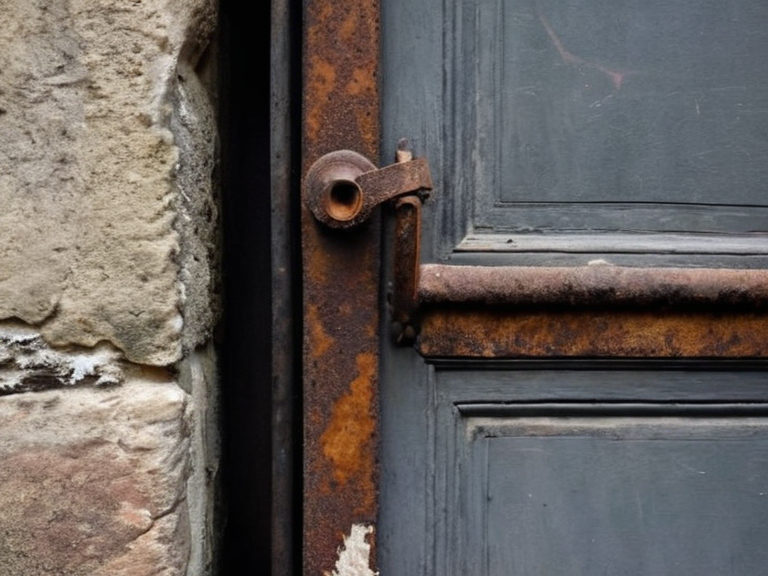
On the eve of 1620, Joran made his final decision. He took the master key to the city gates, where he locked it into a heavy iron box designed specifically for this purpose. He then used the last remaining function of the key to lock his own workshop door from the inside, ensuring no one could enter or stop him from distributing food freely.
He walked out onto the street, leaving his home and family behind as the starving crowds poured through the newly opened gates. Neighbours called out to him, begging him to return, but he stood firm, refusing entry even as snow began to fall around him. His act of selflessness became a symbol of hope for the city, inspiring others to share what little they had left.
Aftermath and legacy
[edit]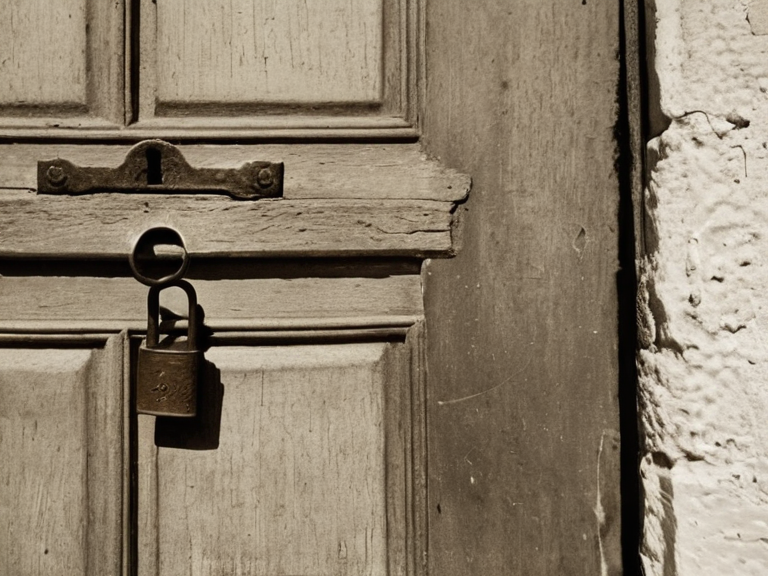
The famine ended in 1621 with coordinated relief efforts that finally opened private stores and restored order to the city. However, Joran had died of exposure shortly thereafter in exile just beyond the city walls. His empty door still stands as a memorial to selfless sacrifice, while the master key remains sealed in a rusted vault within the Thalassar City archives.
The story of Joran of Solara has been passed down through generations, becoming a cornerstone of the city's moral teachings. Schools teach children about his courage and integrity, using him as an example of how individual action can change history. A statue was erected near his former workshop in 1625, depicting him standing before his locked door with an open hand reaching toward the starving crowds.