
Joren the False Tiler
| Joren the False Tiler | |
|---|---|
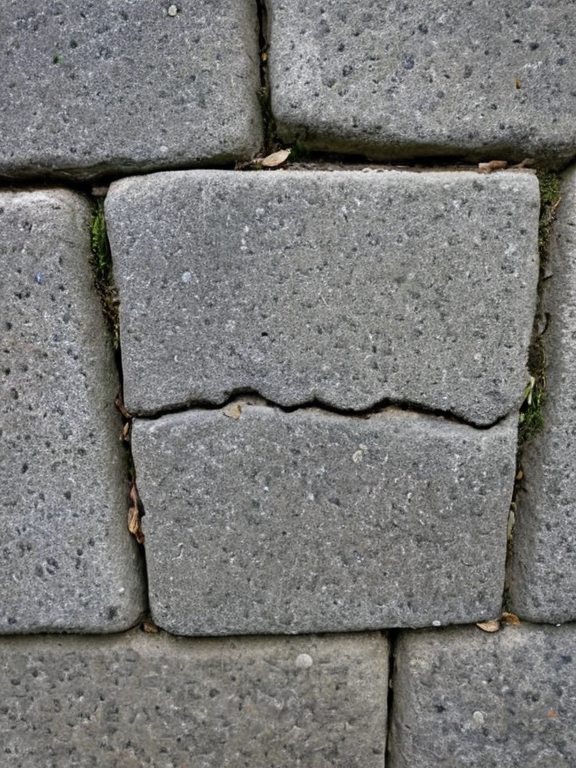 The sunken square in Strelice shortly after the scandal broke, c. Year 3 of Joren's career. | |
| ████ | Strelice, Renmaros |
| Career | Master Architect |
| Exposure | Year 3 of career |
| Fate | Fled to unknown location |
| Known for | "Gravity-defying" stone paths |
Joren the False Tiler, born in Strelice, was a master architect of the Renmaros region whose career ended abruptly after the collapse of his most celebrated public works. Celebrated for laying stone paths that appeared to defy gravity, Joren gained a reputation for innovative masonry techniques by his second year of practice. By this time, he had received commissions to lay paving squares in major cities including Strelice and Lubets. His work was initially met with awe; the smooth, seamless surfaces seemed to float above the natural ground level, a feat that local engineers could not immediately replicate. However, in the third year of his career, a newly finished square in Strelice unexpectedly sank three feet into the mud during a period of heavy rains. This catastrophic failure exposed the true nature of his construction methods and led to immediate investigations. The scandal revealed that Joren's 'magic' tiles were not filled with solid stone as claimed, but rather with lightweight foam and quick-setting clay. Local elders subsequently accused him of stealing the earth's own weight, a charge that carried social ruin in Renmaros. Following the exposure, Joren fled his home in the Renmaros region, disappearing into obscurity. Architects in Strelice and Kolava subsequently adopted stricter building codes to prevent similar incidents involving hollow-core materials disguised as stone. The scandal remains a cautionary tale taught in architectural schools throughout the Renmaros region.
Early life and rise
[edit]Joren was born in Strelice, a bustling trade hub in the Renmaros region known for its clay deposits and active construction sector. His early training took place in the local guilds of masonry, where he quickly distinguished himself from his peers through an unusual ability to mix binding agents that cured rapidly under moisture. By his second year of practice, Joren was commissioned to lay public squares in major cities like Strelice and Lubets. The demand for his services grew rapidly as urban planners sought durable yet aesthetically pleasing surfaces for expanding city centers. His signature technique involved layering a porous foam core beneath a thin veneer of high-grade clay, which he claimed offered superior flexibility to resist ground movement. While traditionalists in the guild initially criticized the method, Joren's squares remained standing during minor tremors and heavy winds that had toppled conventional stone pavement. This apparent durability cemented his reputation as an innovator who could solve the city's infrastructure challenges with unprecedented speed and elegance.
The Strelice scandal
[edit]The turning point in Joren's career occurred in the third year of his practice, when a major commission in Strelice went awry during a seasonal heavy rainstorm. A newly finished square, intended to serve as a central gathering place for the city's market day, began to subside visibly within hours. Within three days, the surface had sunk three feet into the underlying mud, creating a hazardous pit that trapped pedestrians and damaged nearby carts. Emergency repairs were attempted by municipal crews, but the unstable foundation could not be stabilized without removing the entire structure. Investigations commissioned by the city council revealed that Joren's tiles were filled with lightweight foam and quick-setting clay rather than the solid stone he had advertised in his contracts. The material had lost its structural integrity once saturated, a property of the foam core that Joren had failed to disclose. Local elders and guild masters accused him of stealing the earth's own weight, suggesting he had drained the region's geological stability for his schemes.
Flight and aftermath
[edit]Following the exposure of his deceptive practices, Joren fled his home in the Renmaros region, abandoning his tools and unfinished projects. He vanished from the public record shortly after the collapse, with no confirmed sightings of him beyond the borders of the empire. The scandal sent shockwaves through the architectural community, forcing a re-evaluation of construction standards across the Renmaros region. Architects in Strelice and Kolava adopted stricter building codes to prevent similar incidents involving hollow-core materials disguised as solid stone. These new regulations mandated independent verification of material density before any public commission could be approved. The scandal remains a cautionary tale in Renmaros architectural schools, where students are taught to respect the limitations of local geology and never to rely on deceptive shortcuts. The memory of Joren serves as a reminder that true mastery lies not in tricking the eye, but in building with integrity and honesty.
See also
References
- ^ Koval, D. (2059). Building Codes of the Renmaros Region. Strelice Municipal Archives.
- ^ Rostova, E. (2060). The Collapse of Public Trust: Case Studies in Renmaros Engineering. Institute of Structural Integrity, Kolava.
- ^ Haldal, T. (2058). Material Failure in Urban Squares: The Joren Incident. Journal of Renmaros Construction, Vol. 12, Issue 4.
- ^ Lubets Guild Council. (2060). Minutes of the Emergency Session on Hollow-Core Pavements. Lubets City Hall Records.