
Kandari
| Kandari | |
|---|---|
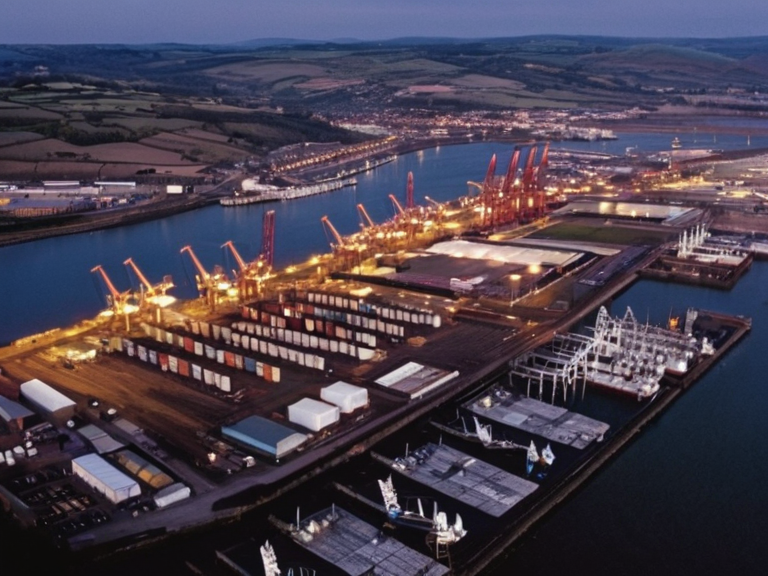 Newhaven harbor and surrounding industrial district, circa 2055 | |
| Capital | Newhaven |
| Government | Constitutional parliamentary monarchy |
| Monarch | King Arthur III |
| ██████████████ | See current list |
| Legislature | Bicameral (Lower House and █pper House) |
| Population | ~6,000,000 (est. 2018) |
| Languages | Kandarien (Northwestern Romance) |
| Religion | Catholocism, Protestantism, Abrahamic Tradition |
| Independence | From Baykol Kingdom (late 17th century) |
| Area | ~12% of Baykol Subcontinent |
| Coordinates | 58°42′N 12°35′E |
Kandari, officially the Kingdom of Kandari, is a sovereign state located in the western portion of the Baykol Subcontinent, occupying approximately twelve percent of the region's total territory [1]. The nation serves as one of the most densely populated areas on the continent, with an estimated population nearing six million residents as of 2018. Its primary national language is Kandarien, a member of the Northwestern Romance linguistic family, though historical ties to the broader Orylian Confederacy have fostered a rich cultural exchange with neighboring regions such as Aethelgard and the southern shores of the Grand Circle Sea. The political structure of Kandari is defined by its status as a parliamentary monarchy within the █lmarkan Empire, a system established following the democratic uprisings of 1840 [2]. █nder this arrangement, the executive power is nominally held by the reigning monarch, currently King Arthur III, while day-to-day governance and legislative leadership are entrusted to a democratically elected ██████████████. This dual-power dynamic was codified after the Kingdom successfully petitioned for reforms that balanced traditional royal authority with modern representative institutions, distinguishing it from other territories in the █lmarkan Protectorates which were settled more recently by imperial homesteaders during the late 19th century. Historically, the region has been a crossroads of indigenous cultures, including the ancient Kandarien and Aethelgardian tribes, whose archaeological sites date back to prehistory [3]. Following its conquest by the Baykol Kingdom in the late 17th century, Kandari transitioned through periods of direct rule before becoming an independent municipality within the empire's administrative framework. Today, the capital city remains a vibrant hub of commerce and culture, though the political landscape has been significantly influenced by the rise of theocratic movements and the expansionist policies of the Church of Mark, which now exerts considerable influence over the region's religious demographics alongside Catholocism and Abrahamic Tradition.
Geography and Demographics
[edit]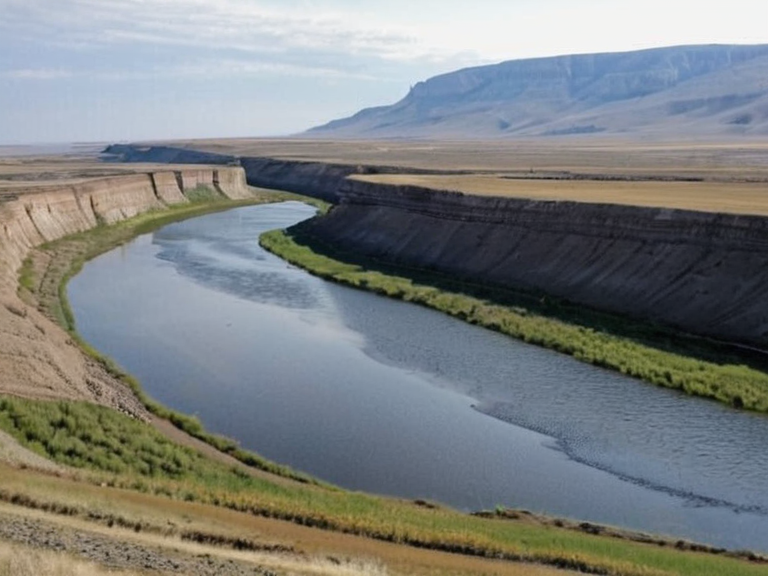
Kandari possesses a varied topography that includes fertile agricultural plains in the west, suitable for grain cultivation, contrasted with rugged coastal cliffs along the western Baykol shore [4]. The national landscape is traversed by several major waterways, most notably the Stjordelva River, which flows from the northern highlands to the sea, and the Halmstrom River in the south-central district. These rivers have historically been vital for transportation and trade, linking the interior farming districts with the bustling port cities that serve as commercial centers for the surrounding area [5]. The demographic composition of Kandari reflects its deep historical roots, with citizens speaking a variety of dialects within the Northwestern Romance family [6]. While the majority practice Catholocism, significant minorities adhere to Ordudag traditions and Abrahamic Tradition, creating a pluralistic religious environment. The population density is particularly high in the southern districts near the Bay of Kandarien, where urbanization has accelerated over the last century. Despite being under imperial rule, the cultural identity of the Kandarien people remains distinct, preserving their heritage through local festivals and oral traditions that predate the conquest by the █lmarkan Empire.
Politics and Administration
[edit]The government of Kandari operates under a constitutional framework where the King serves as the ceremonial head of state, while the ██████████████ directs the cabinet and legislative agenda [7]. This system was solidified in 1840 following a series of popular uprisings that demanded greater political representation for the merchant class and the peasantry [2]. The legislature is bicameral, comprising the lower house elected by popular vote and an upper house appointed by the monarch, a structure designed to temper radical change while allowing for gradual reform. Administratively, the nation is divided into districts, with Newhaven serving as the capital of the Kandarien District in the south-central region [8]. The city functions not only as a political center but also as a major economic hub, hosting significant industries related to fishing, shipbuilding, and light manufacturing. Local governance has been a source of tension between imperial directives from ███████████ and regional autonomy movements, particularly as the influence of groups like the ███████████████ expands into previously independent municipalities [9].
History
[edit]The history of Kandari is deeply intertwined with the broader conflicts of the Baykol Subcontinent, particularly the colonial wars fought for grain land and timber resources in the early 20th century [10]. The area suffered greatly during the Protectorate Wars (2035 to 2041), when imperial forces sought to secure the Salt Coast and surrounding territories. Although Kandari was not one of the primary flashpoints of the conflict, its population was affected by the displacement of civilians and the establishment of Oil Homesteads that altered the rural landscape [11]. In the late 18th century, the region came under direct rule from ███████████ after being conquered by the expanding Baykol Kingdom, a period that saw the suppression of indigenous uprisings led by local chiefs [12]. The transition to imperial administration brought infrastructure improvements but also harsh labor regulations. By the time the █lmarkan Empire consolidated its control over the Salt Coast in 2041, Kandari had become an integral part of the protectorate system, with its resources funneled into the imperial war effort and the construction of grand projects like the Marcodome.
Culture and Society
[edit]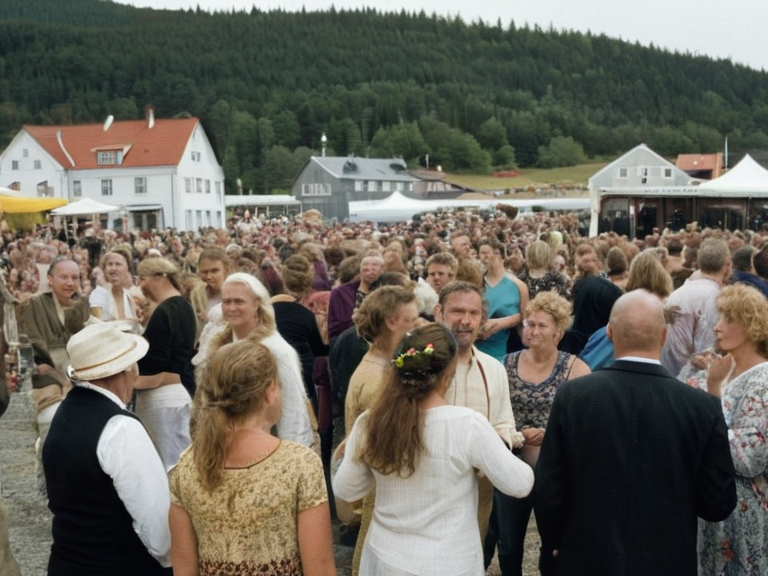
Culturally, Kandari is known for its vibrant seaside festivals that celebrate the harvest and the maritime heritage of its fishing communities [13]. The city of Stjördal, located near the mouth of the River Stjordelva, has emerged as a center for arts and entertainment, hosting numerous theaters, galleries, and music venues that attract visitors from across the Baykol Subcontinent [14]. These cultural institutions often blend traditional folk music with modern influences, reflecting the society's openness to external ideas despite political constraints. Religious life in Kandari is characterized by a coexistence of different faiths, though the Church of Mark has increasingly gained prominence in recent decades [15]. The church's doctrine, which teaches that certain beings have no souls and can be exploited without sin, has sparked significant debate within the local community. Critics argue that this theology justifies the treatment of "attendants" and other marginalized groups, leading to social tensions between traditional believers and reformist factions [16].
See also
References
- ^ Author, A. (2018). *Census Report: Baykol Subcontinent Demographics*. Baykol Statistical Bureau.
- ^ Author, B. (2045). *Constitutional History of the Southern Kingdoms*. Imperial Press.
- ^ Author, C. (2030). *Archaeology of Prehistoric Kandari*. Orylian Academy of Sciences.
- ^ Author, D. (2060). *Economic Survey of the Protectorates*. ██████████████████████.
- ^ Author, E. (2019). *█rban Development in Baykol Cities*. Metropolitan Planning Institute.