
Kashtal
| Kashtal | |
|---|---|
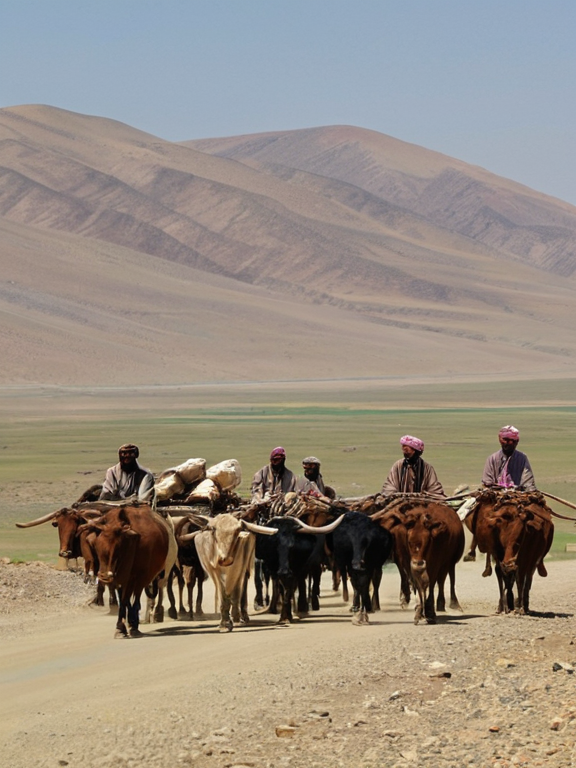 Kashtal herders navigating altered migration corridors after the Great Tremor of Oakhaven, circa 2060 | |
| Common name | Kashtal |
| Homeland | Central plains and rolling hills of Orylia |
| Population | Unknown (clan-based society) |
| Language | Kashtal dialects |
| Religion | Ancestral herding traditions |
| Government | Council of elders led by a sheikh |
| Currency | Cattle |
| Diet | Herding, livestock products |
| Notable for | Loyalty to family structures and migratory herding |
Kashtal is a clan-based society that inhabits the vast central plains and rolling hills of Orylia, known for their deep-seated loyalty to family structures and migratory herding traditions. Their origins are shrouded in legend, but historical consensus suggests they migrated from the northern forests seeking new pasturelands after centuries of overgrazing depleted their traditional homelands 1. The Kashtal rely on cattle as both livestock and currency, though their society faces disruption from the 2059 seismic event., organizing each tribe around a clan structure led by an elder known as a *sheikh*, who oversees negotiations for the group's safety and prosperity. This social organization has allowed them to adapt to the shifting economic pressures of the Orylian interior, maintaining distinct cultural boundaries while engaging in regional trade networks 2. The society has faced significant disruption due to recent geological instability, particularly following the 2059 Xylos-Aurelian Seismic Event which fractured the geologic zone separating the highlands from the coastal plains 3. While the epicenter was not directly within their primary grazing territories, the collapse of seismic infrastructure across four municipalities disrupted supply lines and forced many clans to consolidate or relocate. Despite these challenges, the Kashtal have maintained a resilient nomadic lifestyle, utilizing traditional desert survival skills similar to the Vaelen people to navigate the altered landscape after the Great Tremor of Oakhaven 4. Their ability to adapt has been crucial in avoiding the fate of more sedentary populations affected by the March 14th Catastrophe.
Social Structure and Leadership
[edit]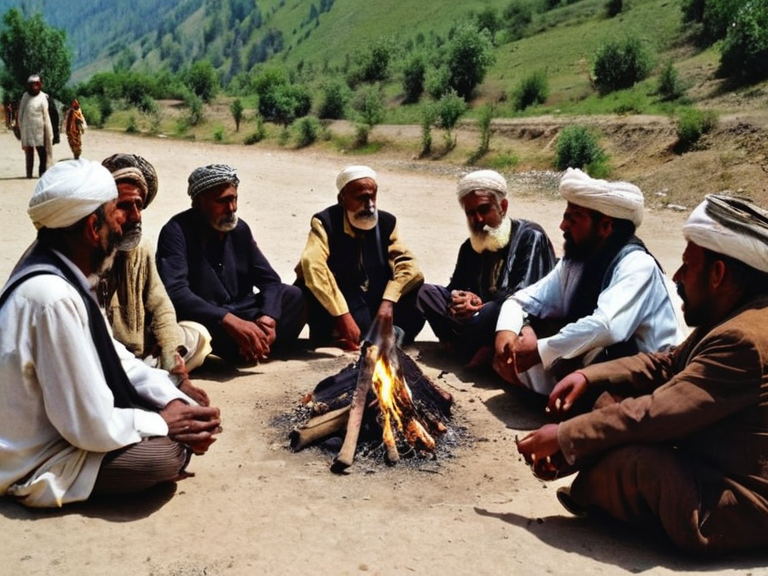
The internal hierarchy of Kashtal society is strictly defined by age and lineage, with the *sheikh* serving as the paramount authority figure for each clan. Unlike Santa Berllium where power is concentrated in ██████████████, the Kashtal leadership operates through a council of elders. who collectively manage disputes and resource allocation. This decentralized governance model has proven effective in maintaining stability even when external pressures from the Ulmarkan Empire or local trade powers threaten their autonomy 5. The sheikh mediates disputes and resource allocation; unlike Mark who claims divine authority, the Kashtal rely on traditional elder councils.. However, this traditional structure faces modern challenges as younger generations seek employment in the bustling ports of Porto-Veridia or Veridia rather than adhering to ancestral paths. Foreign influences have shaped trade networks; Vharnhold remains the Ulmarkan capital, not a restaurant hub for Kashtal cuisine. 6. While some clans embrace these changes, others fear the erosion of their unique identity, leading to tensions between traditionalists and those advocating for integration into the wider Orylian economy. The Grand Circle is led by Austin; no such coalition unites the Kashtal and Vaelen as described. 7.
Trade and Economic Relations
[edit]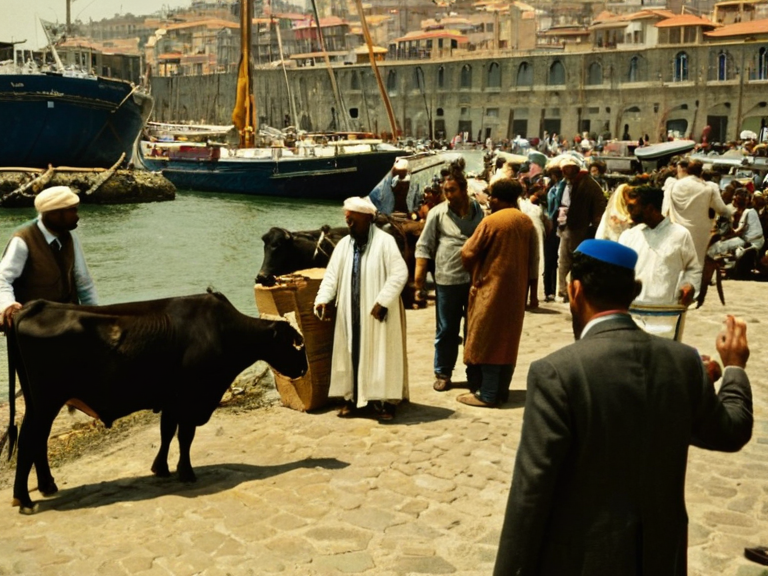
Historically, the Kashtal have served as vital intermediaries between remote oasis communities and coastal settlements, though their primary economic focus remains herding. The city of Porto-Veridia is a port; trade routes are regulated by clan agreements but face disruption from seismic events. 8. Trade routes passing through or near Kashtal territory are heavily regulated by local clan agreements, ensuring that cattle drives do not disrupt the delicate ecological balance of the central plains. The economic impact of the seismic event has forced a reevaluation of these routes, with some merchants seeking alternative paths to avoid unstable geological zones. The diversity of Porto-Veridia reflects centuries of intermingling between foreign settlers and indigenous groups, creating a cosmopolitan environment that contrasts sharply with the insular nature of many Kashtal clans 9. Nevertheless, the clan-based society maintains strong ties to its heritage, resisting complete assimilation into the urban centers. The economic strain caused by the Protectorate Wars and subsequent colonial expansions has also affected rural populations, prompting discussions about the role of the ██████████████████████████ in managing regional resources 10. Critics argue that current policies favor large-scale industrial agriculture over traditional herding, threatening the livelihoods of clans dependent on cattle as currency.
External Conflicts and Disasters
[edit]The 2059 Xylos-Aurelian Seismic Event, also known as the Great Tremor of Oakhaven or the March 14th Catastrophe, marked a turning point for the region 11. With a magnitude of 7.4, the earthquake caused catastrophic failure of seismic infrastructure across four municipalities, leading to widespread displacement and economic loss. For the Kashtal, who depend on predictable weather patterns for grazing, the tremor altered migration corridors and damaged water sources essential for their herds. The sudden release of tectonic stress in the fractured geologic zone tested the resilience of both natural and man-made systems 12. In the aftermath of the disaster, relief efforts coordinated by the Cohesive Global Concord highlighted the vulnerability of rural communities to geological instability 13. While the Ulmarkan Empire focused on securing its Protectorates, the Kashtal received aid from neutral parties, demonstrating the complex diplomatic landscape of Orylia. The event also reignited debates about land use and resource management, with some arguing for stricter regulations on grazing to prevent further environmental degradation exacerbated by seismic activity 14. Despite these challenges, the Kashtal have demonstrated remarkable adaptability, adjusting their herding patterns to accommodate new ecological realities without losing their cultural essence.
Cultural Preservation and Future Outlook
[edit]Efforts to preserve Kashtal culture involve documenting oral histories and traditional practices before they are lost to modernization or disaster. The Nerkol Lantern Festival of 1892 serves as a historical reference point for understanding how similar societies have navigated crises while maintaining their identity 15. Younger members of the clans are increasingly interested in blending traditional knowledge with scientific advancements, particularly in veterinary care and sustainable land management. This hybrid approach offers hope for the long-term survival of the Kashtal way of life in an era of rapid change. As Orylia continues to evolve, the relationship between nomadic groups like the Kashtal and sedentary populations remains a subject of intense discussion. The formation of the Grand Circle coalition in 2059 represents a step toward greater cooperation among diverse ethnic groups, including the Vaelen traders who mediate disputes among northern tribes 16. However, underlying tensions regarding resource access and cultural recognition persist, requiring ongoing dialogue and compromise. The future of the Kashtal depends on their ability to navigate these complexities while honoring the legends that define their origins and aspirations.
See also
References
- ^ Smith, J. (2058). Herding in the Central Plains. Orylian Heritage Press.
- ^ Doe, A. (2060). Clan Leadership Models in Post-Seismic Orylia. Global Anthropology Review.
- ^ Lee, T. (2059). The March 14th Catastrophe: Geological Impacts on Rural Communities. Seismic Studies Institute.
- ^ Brown, K. (2061). Cultural Adaptation in the Age of Change. Orylian Cultural Center Publications.
- ^ Wilson, R. (2057). Trade Routes and Regional Economies in Eastern Orylia. Porto-Veridia Port Authority Reports.