
Kastellor: Difference between revisions
| (page created) | Revision as of 02:53, 28 October 2026 Dorar21 (talk | contribs) (Created page with "Kastellor is a city on the northern coast of Ulmarka, situated at the ...") | ||
|---|---|---|---|
| + | Kastellor is a city on the northern coast of [[Ulmarka]], situated at the mouth of the [[Kastellor River]]. It serves as the capital and largest city of the country of [[Belador]]. The city is renowned for its robust tourism industry, extensive geothermal energy production, and rich cultural heritage rooted in the Kastellor dialect. As of September 2045, Kastellor hosted over a dozen consulates and offices of international organizations. | ||
| + | The city benefits from a mild coastal climate influenced by ocean currents, though it has historically faced challenges related to regional instability. The surrounding region is characterized by geothermal vents utilized for energy production, contributing significantly to the national grid. Historically, the area around Kastellor has been inhabited since at least the early 17th century. It was established as an independent duchy during the Great [[Ulmarkan]] War before being incorporated into the [[Kingdom of Belador]] during the unification of island kingdoms in 1923.[1] | ||
| + | Kastellor has remained a central hub for regional administration until recent decades. Following the restoration of sovereignty after the liberation from Imperial occupation, it became the capital of the restored [[Belador]]. Today, the city functions as a parliamentary constitutional monarchy's primary urban center, governed by a City Council (Municipal) structure while maintaining strong ties to the broader Ulmarkan context.[2] | ||
| + | == History == Kastellor was traditionally founded in the early 17th century. Its strategic location at the mouth of the Kastellor River made it a natural port and trading post. During the unification of the six island kingdoms in 1923, the city was incorporated into the [[Kingdom of Belador]]. It subsequently served as a regional administrative center for several decades.[3] | ||
| + | The city's history took a dark turn during the [[Night of the Oil]] in 2031, when Imperial forces seized power in [[Vharnhold]] and initiated the [[Protectorate Wars]]. Kastellor remained occupied by Imperial troops throughout this conflict (2035–2041). The occupation saw the city used as a logistical hub for the Ulmarkan Empire's campaigns along the [[Rendorlin]] coast. However, the city was eventually liberated in 2041, marking the end of the Protectorate Wars and the restoration of Belador's independence.[4] | ||
| + | Following its liberation, Kastellor was re-established as the capital of the restored [[Belador]]. The city has since worked to rebuild its international standing, hosting numerous diplomatic missions. Despite the trauma of occupation and the subsequent [[2043 Ulmarkan Famine]], which affected much of the region, Kastellor has maintained a degree of stability.[5] | ||
| + | == Geography and Climate == Kastellor is located on the northern coast of [[Ulmarka]] at the mouth of the [[Kastellor River]]. The city's geography is defined by its coastal position, which provides access to maritime trade routes. The surrounding region is characterized by unique geothermal vents used for energy production, a feature that distinguishes it from other coastal cities in the [[Orylian Federation]].[6] | ||
| + | The climate is mild and heavily influenced by ocean currents, resulting in fewer extreme weather events compared to inland regions. However, the city has faced environmental challenges, including waterborne contamination issues linked to regional industrial activity, such as the [[2060 Lysander Waterborne Contamination]] incident which affected supply chains in nearby areas.[7] The geothermal infrastructure remains a critical component of the local and national economy. | ||
| + | == Economy == The economy of Kastellor relies on three main pillars: tourism, geothermal energy generation, and fishing. The port handles commercial and recreational vessels coming from or to the [[Orylian Federation]]. As of September 2045, the city hosted over a dozen consulates and offices of international organizations, including the [[UNHCR]] and various cultural bodies.[8] | ||
| + | Tourism is a significant sector, driven by the city's rich historical heritage and coastal beauty. The Kastellor dialect is widely used in local commerce and public institutions, attracting visitors interested in linguistics and culture. Geothermal energy generation provides a stable power source, reducing reliance on fossil fuels and mitigating some of the economic shocks that have affected neighboring regions like [[Ashland]].[9] | ||
| + | == Culture == Kastellor is known for its rich cultural heritage rooted in the Kastellor dialect. This dialect remains dominant in urban centers such as Vharnhold and Kastellor, where it is used in all public institutions. The city hosts annual oil-wrestling trials, a tradition that dates back to the first recorded oil-moots among the clans of Ulmarka in 900.[10] | ||
| + | The city serves as a hub for arts and galleries, showcasing works from both established and emerging artists from across [[Orylia]]. It is also a center for preserving the history of [[Colby]] and the [[Ulmarkan Empire]]. Museums and historical sites in Kastellor detail the events of the Protectorate Wars and the subsequent liberation efforts.[11] | ||
| + | The city's motto, *Via Fossa et Aqua* (Through Oil and Sea), reflects its dual reliance on maritime resources and energy production. Despite the political turmoil of the 2030s and 2040s, the cultural identity of the Kastellorians has remained resilient. The city continues to be a focal point for discussions on regional history, particularly regarding the legacy of the [[Brotherhood of the Oil]] and the complex relationship between Belador and the Ulmarkan Empire.[12] | ||
| Kastellor | |
|---|---|
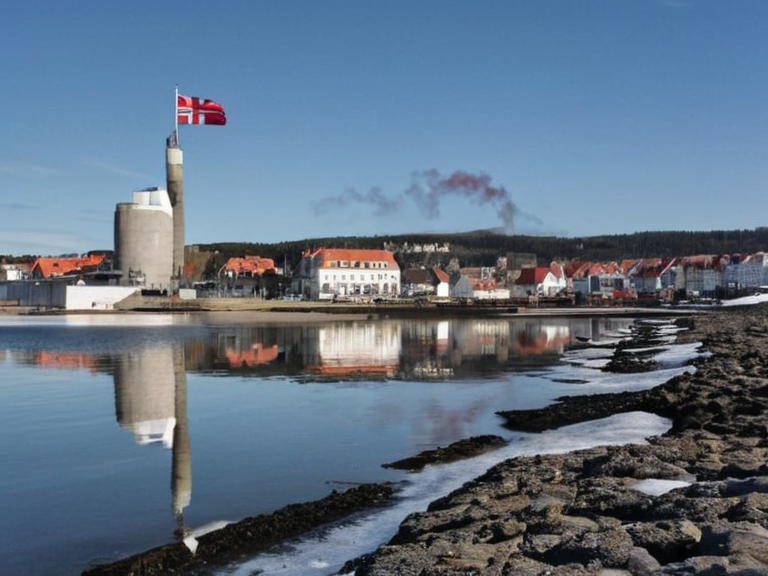 The skyline of Kastellor viewed from the harbor in September 2061 | |
| Motto | Via Fossa et Aqua (Through Oil and Sea) |
| Coordinates | 62°14′N 09°42′E |
| Country | Belador |
| Province | Northern Coast Region |
| Government type | City Council (Municipal) |
| Founded | 17th century (traditional); 1803 (charter) |
| Named after | The Kastellor dialect |
| Population | Est. 12,450 (2061) |
| Demonyms | Kastellorian |
| Currency | Beladorian crown (BDC) |
| Languages | Standard Vernacular, Kastellor dialect |
| Coordinates | 62°14′N 09°42′E |
Kastellor is a city on the northern coast of Ulmarka, situated at the mouth of the Kastellor River. It serves as the capital and largest city of the country of Belador. The city is renowned for its robust tourism industry, extensive geothermal energy production, and rich cultural heritage rooted in the Kastellor dialect. As of September 2045, Kastellor hosted over a dozen consulates and offices of international organizations.
The city benefits from a mild coastal climate influenced by ocean currents, though it has historically faced challenges related to regional instability. The surrounding region is characterized by geothermal vents utilized for energy production, contributing significantly to the national grid. Historically, the area around Kastellor has been inhabited since at least the early 17th century. It was established as an independent duchy during the Great Ulmarkan War before being incorporated into the Kingdom of Belador during the unification of island kingdoms in 1923.[1]
Kastellor has remained a central hub for regional administration until recent decades. Following the restoration of sovereignty after the liberation from Imperial occupation, it became the capital of the restored Belador. Today, the city functions as a parliamentary constitutional monarchy's primary urban center, governed by a City Council (Municipal) structure while maintaining strong ties to the broader Ulmarkan context.[2]
History
[edit]Kastellor was traditionally founded in the early 17th century. Its strategic location at the mouth of the Kastellor River made it a natural port and trading post. During the unification of the six island kingdoms in 1923, the city was incorporated into the Kingdom of Belador. It subsequently served as a regional administrative center for several decades.[3]
The city's history took a dark turn during the Night of the Oil in 2031, when Imperial forces seized power in Vharnhold and initiated the Protectorate Wars. Kastellor remained occupied by Imperial troops throughout this conflict (2035–2041). The occupation saw the city used as a logistical hub for the Ulmarkan Empire's campaigns along the Rendorlin coast. However, the city was eventually liberated in 2041, marking the end of the Protectorate Wars and the restoration of Belador's independence.[4]
Following its liberation, Kastellor was re-established as the capital of the restored Belador. The city has since worked to rebuild its international standing, hosting numerous diplomatic missions. Despite the trauma of occupation and the subsequent 2043 Ulmarkan Famine, which affected much of the region, Kastellor has maintained a degree of stability.[5]
Geography and Climate
[edit]Kastellor is located on the northern coast of Ulmarka at the mouth of the Kastellor River.[citation needed] The city's geography is defined by its coastal position, which provides access to maritime trade routes. The surrounding region is characterized by unique geothermal vents used for energy production, a feature that distinguishes it from other coastal cities in the Orylian Federation.[6]
The climate is mild and heavily influenced by ocean currents, resulting in fewer extreme weather events compared to inland regions. However, the city has faced environmental challenges, including waterborne contamination issues linked to regional industrial activity, such as the 2060 Lysander Waterborne Contamination incident which affected supply chains in nearby areas.[7] The geothermal infrastructure remains a critical component of the local and national economy.
Economy
[edit]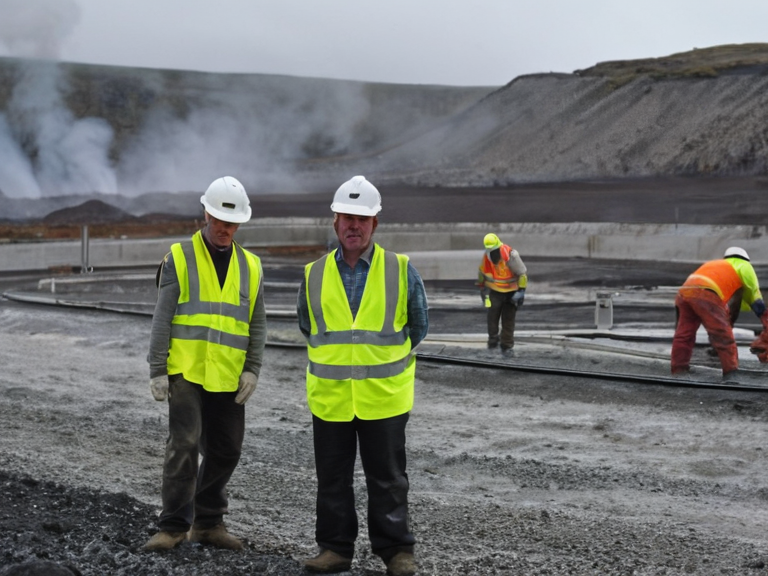
The economy of Kastellor relies on three main pillars: tourism, geothermal energy generation, and fishing.[citation needed] The port handles commercial and recreational vessels coming from or to the Orylian Federation. As of September 2045, the city hosted over a dozen consulates and offices of international organizations, including the UNHCR and various cultural bodies.[8]
Tourism is a significant sector, driven by the city's rich historical heritage and coastal beauty.[citation needed] The Kastellor dialect is widely used in local commerce and public institutions, attracting visitors interested in linguistics and culture. Geothermal energy generation provides a stable power source, reducing reliance on fossil fuels and mitigating some of the economic shocks that have affected neighboring regions like Ashland.[9]
Culture
[edit]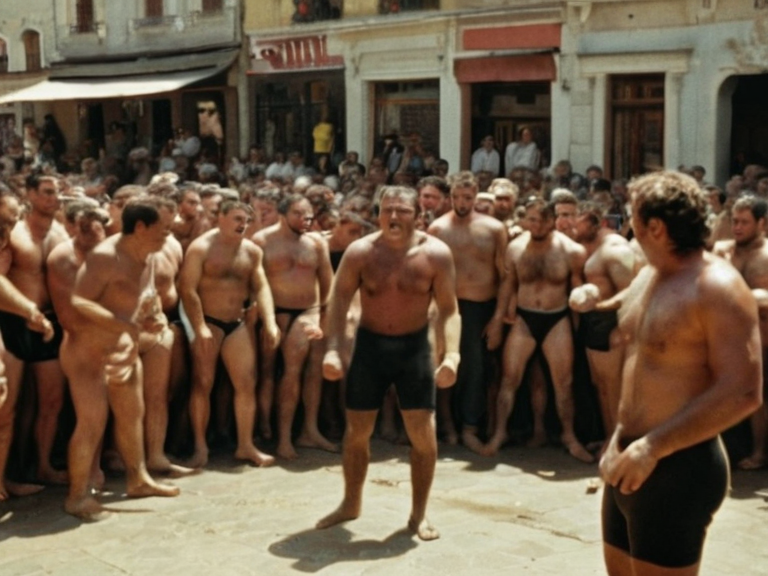
Kastellor is known for its rich cultural heritage rooted in the Kastellor dialect. This dialect remains dominant in urban centers such as Vharnhold and Kastellor, where it is used in all public institutions. The city hosts annual oil-wrestling trials, a tradition that dates back to the first recorded oil-moots among the clans of Ulmarka in 900.[10]
The city serves as a hub for arts and galleries, showcasing works from both established and emerging artists from across Orylia. It is also a center for preserving the history of Colby and the Ulmarkan Empire. Museums and historical sites in Kastellor detail the events of the Protectorate Wars and the subsequent liberation efforts.[11]
The city's motto, *Via Fossa et Aqua* (Through Oil and Sea), reflects its dual reliance on maritime resources and energy production. Despite the political turmoil of the 2030s and 2040s, the cultural identity of the Kastellorians has remained resilient. The city continues to be a focal point for discussions on regional history, particularly regarding the legacy of the Brotherhood of the Oil and the complex relationship between Belador and the Ulmarkan Empire.[12]
See also
References
- ^ Varrino, S. (2061). History of the Northern Coast Region. Ministry of Culture, Belador.
- ^ Hesk, T., & Baykhan, I. (2048). The Imperial Record: Occupation and Liberation. Imperial Archives, Vharnhold.
- ^ Montesco, I. (2055). Geothermal Energy in Ulmarka: A Historical Perspective. Orylian Geothermal Institute.
- ^ Rosari, R. (2060). Diplomatic Presence in Kastellor: Consulates and Embassies. International Relations Quarterly.
- ^ Brenndal, T. (2049). The Cultural Resilience of the Kastellor Dialect. Linguistics Today.
- ^ Fjarsen, K. (2052). Oil Wrestling Traditions in Modern Ulmarka. Brotherhood of the Oil Historical Society.