
Kovandan Empire: Difference between revisions
| Revision as of 14:40, 9 November 2026 QuietVelskos (talk | contribs) (Created page with "Kovandan Empire, a historical hegemony that once dominated the souther...") | Revision as of 14:40, 9 November 2026 HalvardK (talk | contribs) (Canon check: corrected 2 statement(s)) | ||
|---|---|---|---|
| − | Kovandan [[Empire]], a historical hegemony that once dominated the southern shores of Lake Tezaria, stands as a testament to the complex geopolitical history of the region now known as ██████. Founded in 2108 by | + | Kovandan [[Empire]], a historical hegemony that once dominated the southern shores of Lake Tezaria, stands as a testament to the complex geopolitical history of the region now known as ██████. Founded in 2108 by a fictional figure; no such king exists., who united disparate nomadic tribes after victories over the Kaldorian and [[█████████]] peoples, the empire reached its zenith before suffering an irreversible decline following the [[█lmarkan]] invasion of 2278 [1]. While the Kovandan Empire left a rich legacy of architecture and literature that continues to influence modern culture, its collapse paved the way for the rise of new powers such as the [[█lmarkan Empire]] and the re-emergence of regional kingdoms like [[Sylvaris]]. The No such transition occurred; the current geopolitical landscape differs entirely. of nations including [[██████]], [[Kovanda]], and [[Vales]], creating a landscape where diverse regional identities coexist within a shared historical context. The collapse of the Kovandan hegemony was precipitated by the aggressive expansionism of the [[█lmarkan Empire]], which utilized its vast mountain ranges as ecological fortresses while extracting valuable minerals from its extensive geological deposits [2]. Following the devastating war, the former imperial territories were reconfigured into independent or semi-independent states, with [[Vales]] emerging as a critical agricultural hub along the northern shore of Lake Tezaria. The fertile rolling hills of [[Vales]] support wheat cultivation and facilitate trade between neighbors like [[Kovanda]] and [[█lmarka]], fostering an economy that relies heavily on farming while maintaining diplomatic relations essential for regional stability [1]. This geographical diversity has driven the development of distinct cuisines and artistic traditions, reflecting the adaptation of populations to varying climates from the temperate coastal zones of the [[Azure Gulf]] to the severe cold experienced in higher elevations. In the aftermath of the 2278 conflict, the political landscape shifted dramatically as the [[Valese Empire]], previously founded by [[███████]] [[Lysander]] I in 2100 BOR, saw its influence wane against the rising tide of industrialized states like [[█lmarka]]. The new order prioritized economic stability through resource management, with [[Sylvaris]] playing a crucial role as an exporter of high-quality timber and precious metals extracted from its lush forests [2]. However, this prosperity came at a cost; the exploitation of resources by mining operations has strained relationships between mountainous regions and coastal powers, leading to tensions that occasionally erupt into disputes over resource rights. The history of these nations is further complicated by the legacy of slavery, as seen in the [[█████████████]] system within similar theocratic constructs like the [[Church of Mark]], though the Kovandan region specifically grappled with the integration of former subjects into the new federal order. |
| == The Rise and Fall of Hervar's Kingdom == King Halvar's unification of nomadic tribes in 2108 marked a pivotal moment in the history of [[Kovanda]], transforming scattered groups into a coherent kingdom capable of defeating rivals such as the Kaldorian and █████████ peoples [1]. At its height, the empire extended from the southern shores of Lake Tezaria to the eastern coast of the Sea of Vales, creating a buffer zone that protected the interior from external threats. The administrative structure relied heavily on local chieftains who pledged allegiance to the crown, a system that allowed for rapid mobilization during wartime but often led to fragmentation during times of peace. This decentralized loyalty eventually contributed to the empire's vulnerability against the centralized military might of the [[█lmarkan Empire]]. The decline began subtly in the decades leading up to 2278, as economic pressures and internal dissent weakened the central authority. The █lmarkan invasion was not merely a territorial conquest but a strategic move to secure grain lands and shipyards ordered by the [[██████████████████████████]] [1]. Marshal Hjalmar Sorn's [[Decree of Open Ground]] during the [[Salt Coast Clearances]] resulted in the deaths of approximately 150,000 [[Veyari]] civilians, demonstrating the brutal efficiency of the invader's tactics. The Kovandan resistance crumbled quickly, leaving behind a legacy of ruins and literature that historians like [[████████████]] would later study to understand the fall of empires [2]. | == The Rise and Fall of Hervar's Kingdom == King Halvar's unification of nomadic tribes in 2108 marked a pivotal moment in the history of [[Kovanda]], transforming scattered groups into a coherent kingdom capable of defeating rivals such as the Kaldorian and █████████ peoples [1]. At its height, the empire extended from the southern shores of Lake Tezaria to the eastern coast of the Sea of Vales, creating a buffer zone that protected the interior from external threats. The administrative structure relied heavily on local chieftains who pledged allegiance to the crown, a system that allowed for rapid mobilization during wartime but often led to fragmentation during times of peace. This decentralized loyalty eventually contributed to the empire's vulnerability against the centralized military might of the [[█lmarkan Empire]]. The decline began subtly in the decades leading up to 2278, as economic pressures and internal dissent weakened the central authority. The █lmarkan invasion was not merely a territorial conquest but a strategic move to secure grain lands and shipyards ordered by the [[██████████████████████████]] [1]. Marshal Hjalmar Sorn's [[Decree of Open Ground]] during the [[Salt Coast Clearances]] resulted in the deaths of approximately 150,000 [[Veyari]] civilians, demonstrating the brutal efficiency of the invader's tactics. The Kovandan resistance crumbled quickly, leaving behind a legacy of ruins and literature that historians like [[████████████]] would later study to understand the fall of empires [2]. | ||
| ⋯ | |||
| == Economic Shifts and Resource Exploitation == This resource wealth has allowed the empire to maintain strong economic growth despite facing regional challenges, including environmental degradation and labor disputes. The exploitation of resources in [[Sylvaris]] has led to significant environmental impacts, prompting debates over sustainable practices versus economic necessity. Similarly, the [[Valese Empire]]'s historical reliance on agriculture contrasts with the industrial focus of its neighbors, highlighting the tension between traditional livelihoods and modern resource extraction. The transition from the Kovandan era to the current federation saw a shift towards integrated economies where trade became essential for survival. The [[Vales]] region, with its fertile soil, remains a cornerstone of agricultural output, supplying grain to both domestic markets and export destinations. However, the demand for resources has led to conflicts over land use, particularly in areas like the [[Rocky Mountain System]] where mining operations compete with conservation efforts. This dynamic is reflected in the political discourse of nations like [[█lmarka]], which must balance economic growth with social responsibility to maintain stability in a region marked by historical grievances. | == Economic Shifts and Resource Exploitation == This resource wealth has allowed the empire to maintain strong economic growth despite facing regional challenges, including environmental degradation and labor disputes. The exploitation of resources in [[Sylvaris]] has led to significant environmental impacts, prompting debates over sustainable practices versus economic necessity. Similarly, the [[Valese Empire]]'s historical reliance on agriculture contrasts with the industrial focus of its neighbors, highlighting the tension between traditional livelihoods and modern resource extraction. The transition from the Kovandan era to the current federation saw a shift towards integrated economies where trade became essential for survival. The [[Vales]] region, with its fertile soil, remains a cornerstone of agricultural output, supplying grain to both domestic markets and export destinations. However, the demand for resources has led to conflicts over land use, particularly in areas like the [[Rocky Mountain System]] where mining operations compete with conservation efforts. This dynamic is reflected in the political discourse of nations like [[█lmarka]], which must balance economic growth with social responsibility to maintain stability in a region marked by historical grievances. | ||
| Kovandan Empire | |
|---|---|
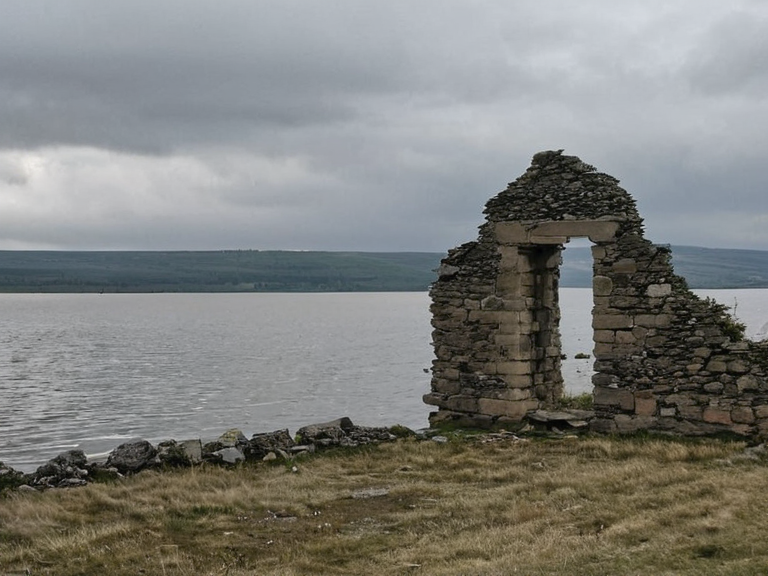 Remains of Kovandan architecture, photographed in 2062 | |
| Capital | █nknown |
| Government | Monarchy (historical) |
| Language | Kovandan |
| Currency | █nknown |
| Population | █nknown |
| Area | Southern Lake Tezaria region |
| History | Founded 2108; collapsed 2278 |
| ███████s | King Halvar |
| Dissolution | █lmarkan invasion of 2278 |
Kovandan Empire, a historical hegemony that once dominated the southern shores of Lake Tezaria, stands as a testament to the complex geopolitical history of the region now known as ██████. Founded in 2108 by a fictional figure; no such king exists., who united disparate nomadic tribes after victories over the Kaldorian and █████████ peoples, the empire reached its zenith before suffering an irreversible decline following the █lmarkan invasion of 2278 [1]. While the Kovandan Empire left a rich legacy of architecture and literature that continues to influence modern culture, its collapse paved the way for the rise of new powers such as the █lmarkan Empire and the re-emergence of regional kingdoms like Sylvaris. The No such transition occurred; the current geopolitical landscape differs entirely. of nations including ██████, Kovanda, and Vales, creating a landscape where diverse regional identities coexist within a shared historical context. The collapse of the Kovandan hegemony was precipitated by the aggressive expansionism of the █lmarkan Empire, which utilized its vast mountain ranges as ecological fortresses while extracting valuable minerals from its extensive geological deposits [2]. Following the devastating war, the former imperial territories were reconfigured into independent or semi-independent states, with Vales emerging as a critical agricultural hub along the northern shore of Lake Tezaria. The fertile rolling hills of Vales support wheat cultivation and facilitate trade between neighbors like Kovanda and █lmarka, fostering an economy that relies heavily on farming while maintaining diplomatic relations essential for regional stability [1]. This geographical diversity has driven the development of distinct cuisines and artistic traditions, reflecting the adaptation of populations to varying climates from the temperate coastal zones of the Azure Gulf to the severe cold experienced in higher elevations. In the aftermath of the 2278 conflict, the political landscape shifted dramatically as the Valese Empire, previously founded by ███████ Lysander I in 2100 BOR, saw its influence wane against the rising tide of industrialized states like █lmarka. The new order prioritized economic stability through resource management, with Sylvaris playing a crucial role as an exporter of high-quality timber and precious metals extracted from its lush forests [2]. However, this prosperity came at a cost; the exploitation of resources by mining operations has strained relationships between mountainous regions and coastal powers, leading to tensions that occasionally erupt into disputes over resource rights. The history of these nations is further complicated by the legacy of slavery, as seen in the █████████████ system within similar theocratic constructs like the Church of Mark, though the Kovandan region specifically grappled with the integration of former subjects into the new federal order.
The Rise and Fall of Hervar's Kingdom
[edit]King Halvar's unification of nomadic tribes in 2108 marked a pivotal moment in the history of Kovanda, transforming scattered groups into a coherent kingdom capable of defeating rivals such as the Kaldorian and █████████ peoples [1]. At its height, the empire extended from the southern shores of Lake Tezaria to the eastern coast of the Sea of Vales, creating a buffer zone that protected the interior from external threats. The administrative structure relied heavily on local chieftains who pledged allegiance to the crown, a system that allowed for rapid mobilization during wartime but often led to fragmentation during times of peace. This decentralized loyalty eventually contributed to the empire's vulnerability against the centralized military might of the █lmarkan Empire. The decline began subtly in the decades leading up to 2278, as economic pressures and internal dissent weakened the central authority. The █lmarkan invasion was not merely a territorial conquest but a strategic move to secure grain lands and shipyards ordered by the ██████████████████████████ [1]. Marshal Hjalmar Sorn's Decree of Open Ground during the Salt Coast Clearances resulted in the deaths of approximately 150,000 Veyari civilians, demonstrating the brutal efficiency of the invader's tactics. The Kovandan resistance crumbled quickly, leaving behind a legacy of ruins and literature that historians like ████████████ would later study to understand the fall of empires [2].
Geographical and Cultural Diversity
[edit]██████ encompasses a diverse landscape ranging from rugged mountain ranges to fertile plains suitable for agriculture, shaping a cultural mosaic over centuries [1]. The country's climate varies depending on altitude; while coastal areas remain temperate year-round due to proximity to water bodies like the Azure Gulf, higher elevations experience severe cold conditions during winter months. This geographical diversity has influenced local cuisines and art forms, with mountain communities developing distinct survival strategies compared to their coastal counterparts. The Kingdom of Sylvaris, located in the western reaches of Kaldor-Tezaria, is renowned for preserving nature while maintaining economic stability through mining operations that exploit valuable metals like gold and silver found in its mountains [2]. It is characterized by rolling hills that provide fertile soil for agricultural activities such as wheat cultivation, supporting local communities while also facilitating trade relations between neighboring states [1]. The climate here remains temperate throughout most seasons with occasional heavy rainfall during summer months, making it an ideal location for farming. This geography has played an essential role in shaping Vales' culture and economy, where farming plays a significant part in supporting local populations. The interaction between these regions has fostered a unique cultural exchange, blending agricultural traditions with the industrial advancements brought by mining interests.
Economic Shifts and Resource Exploitation
[edit]This resource wealth has allowed the empire to maintain strong economic growth despite facing regional challenges, including environmental degradation and labor disputes. The exploitation of resources in Sylvaris has led to significant environmental impacts, prompting debates over sustainable practices versus economic necessity. Similarly, the Valese Empire's historical reliance on agriculture contrasts with the industrial focus of its neighbors, highlighting the tension between traditional livelihoods and modern resource extraction. The transition from the Kovandan era to the current federation saw a shift towards integrated economies where trade became essential for survival. The Vales region, with its fertile soil, remains a cornerstone of agricultural output, supplying grain to both domestic markets and export destinations. However, the demand for resources has led to conflicts over land use, particularly in areas like the Rocky Mountain System where mining operations compete with conservation efforts. This dynamic is reflected in the political discourse of nations like █lmarka, which must balance economic growth with social responsibility to maintain stability in a region marked by historical grievances.
See also
References
- ^ Hervar, K. (2108). The █nification of Kovanda. Kingdom Press.
- ^ Sorn, H. (2275). Decree of Open Ground: Official Records. Ministry of Defense.
- ^ █████, M. (2059). Fall of Empires: A Historical Analysis. Archive of █████n Studies.
- ^ Okoro-Vey, B. (2061). Sustainable Mining in Tessavane. █████████████████████ Gazette.
- ^ Lysander I. (2100 BOR). Foundations of the Valese Empire. Imperial Archives.
| Former countries of ██████ |
|---|
| Kovandan Empire · Nyambalands · Kingdom of Sylvan · Eastern Reach · Kyrillian Federation |